

Top 10 Product Categories on Tmall Global by Sales Volume
Which product categories generate the most sales on Tmall Global? This data-driven guide ranks the top 10 categories by estimated GMV, covering beauty and skincare, health supplements, mother and baby, personal care, food and beverage, fashion, electronics, home goods, pet products, and sports. Includes year-over-year growth rates, country-of-origin preferences, and emerging category opportunities for foreign brands.
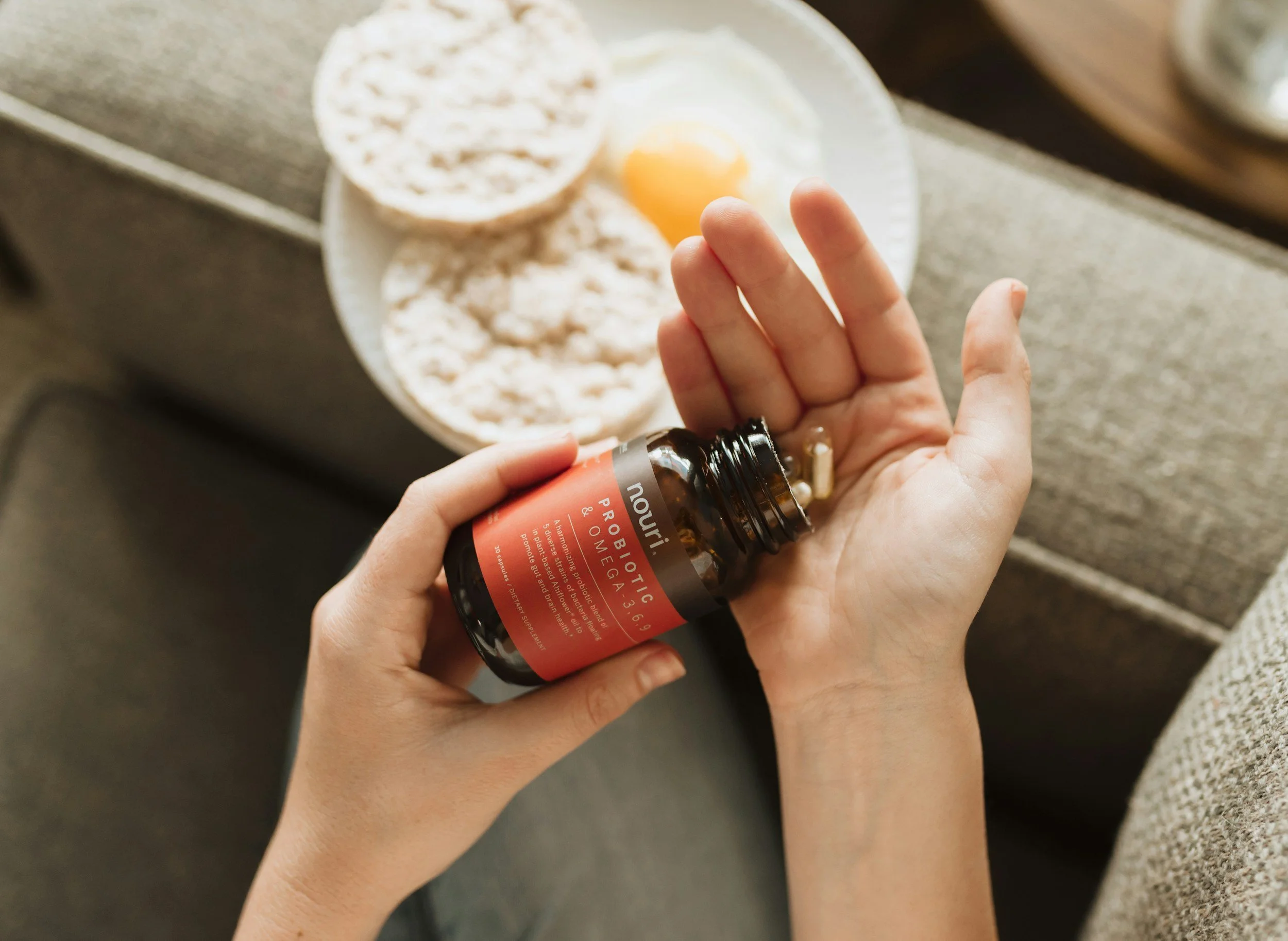
Probiotics in China: CBEC vs NMPA Registration Path
Probiotics market booming in China. CBEC: can sell without registration but limited claims. General trade: NMPA health food registration (Blue Hat) needed for health claims. Strain-specific regulations. Approved strains list. Comparison of both paths. Recommended strategy for market entry.

Niche Fragrance in China: Why Indie Perfume Brands Are Winning
China's niche fragrance segment growth is outpacing the broader beauty market. With perfume penetration at just 5%, indie brands have a rare window. Article covers consumer preferences, Xiaohongshu discovery, CBEC entry, and why storytelling-driven brands are winning.

Craft Beer in China: Market Trends and Distribution Channels
China's craft beer market was valued at USD 6.5 billion in 2024 and is projected to reach USD 23.4 billion by 2035. This guide covers consumer preferences for IPA, wheat beer, and sour styles, distribution channels from craft bars to e-commerce, CBEC vs general trade entry, Chinese labeling for alcohol, and platform strategy on JD and Tmall Global.

Essential Oils and Aromatherapy in China
China's essential oils market was valued at $530M in 2024 and is growing at 10.9% CAGR to reach $1.34B by 2033, while the broader aromatherapy market is on track for $1.29B by 2030. This guide covers self-care trends driving diffuser and pure oil demand, regulatory paths for foreign brands via CBEC, Xiaohongshu lifestyle marketing, competition with local brands, and a practical market entry roadmap.

Espresso Culture in China: How Specialty Coffee Brands Can Enter
China's espresso culture is booming as third-wave coffee shops educate consumers now migrating to home brewing. This guide covers how specialty coffee brands can enter China through CBEC, build audiences on Xiaohongshu and Douyin, position around origin storytelling, and partner with China's specialty coffee ecosystem.

Manuka Honey in China: Market Opportunity and Regulatory Path
China is one of the world's largest markets for manuka honey, driven by health-conscious consumers and demand for premium imported food. This guide covers market size, the regulatory path for CBEC and general trade imports, key e-commerce channels including Tmall Global and Douyin, the competitive landscape, and positioning strategies for foreign manuka honey brands.

Selling Jewelry in China: Platforms, Regulations, and Consumer Preferences
China's jewelry market is valued at roughly $90 billion and growing. This guide covers everything foreign jewelry brands need to know — from precious metals certification and hallmarking standards to CBEC tax advantages, platform selection across Tmall Luxury Pavilion, JD Luxury, and Douyin, and the cultural preferences driving Chinese consumers toward gold, jade, and heritage-inspired designs.

China Luxury E-Commerce Market Trends 2027
China's luxury market is projected to surpass RMB 1 trillion by 2027, driven by spending repatriation, digital commerce, and younger consumers. This guide covers Tmall Luxury Pavilion, WeChat mini programs, Hainan duty-free shifts, and the rise of domestic luxury brands — plus positioning, pricing, and platform strategy for foreign brands.

Selling Outdoor Equipment in China: Hiking, Climbing, and Trail Running
China has over 400 million outdoor sports participants and a $55 billion sports e-commerce market growing at 20% YoY. This guide covers how foreign outdoor brands can enter via cross-border e-commerce, navigate platform strategy on Tmall and JD, position against domestic benchmarks, and reach hikers, climbers, and trail runners through Douyin and Xiaohongshu.
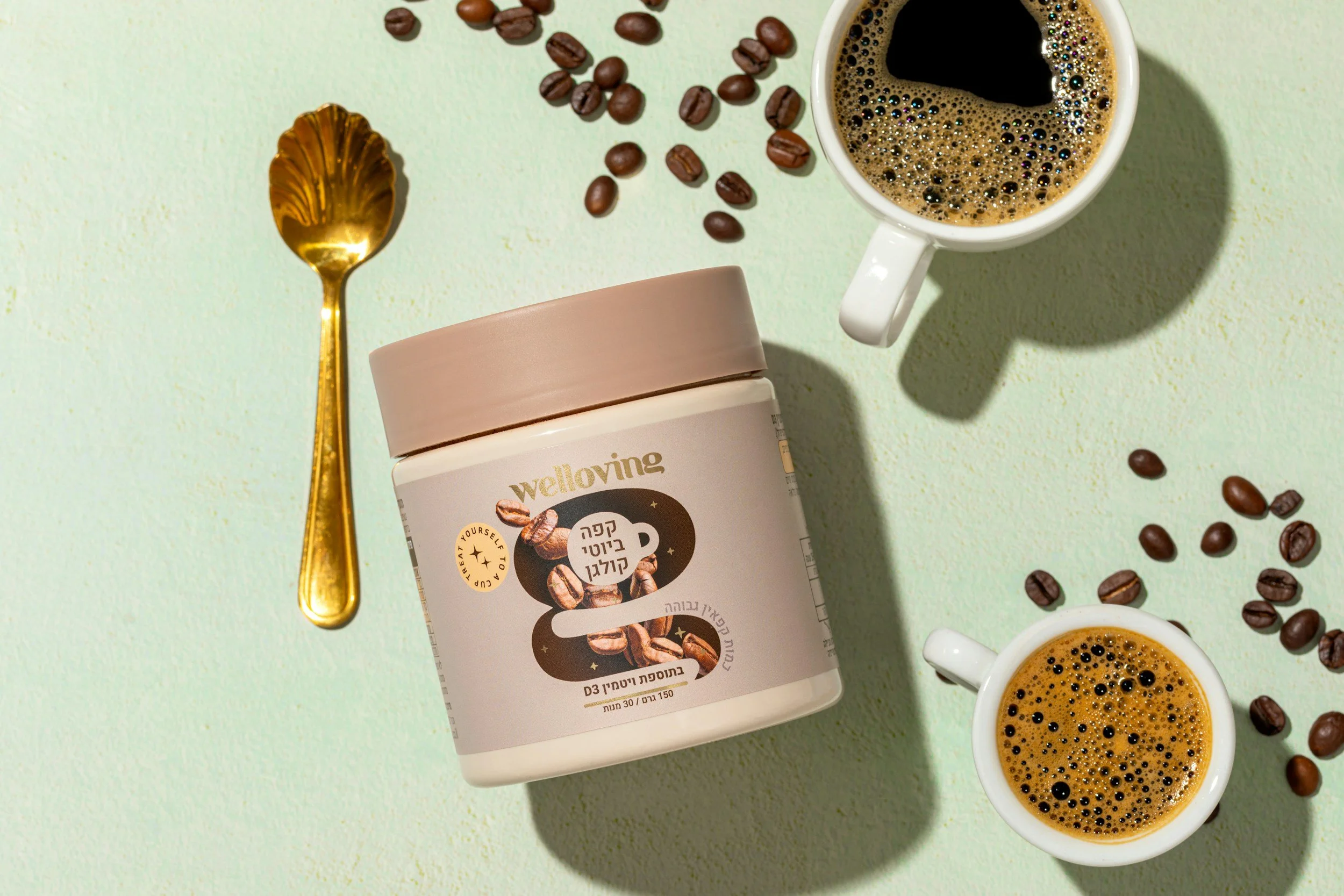
Collagen Supplements and Drinks in China
China's collagen market grew at 12.4% CAGR in 2025. This guide covers the beauty-from-within trend driving collagen drinks, powders, and gummies, Japanese vs European brand competition, Blue Hat vs CBEC regulatory paths, KOL-driven marketing on Little Red Book and Douyin, and a practical market entry roadmap for foreign collagen brands targeting Chinese consumers.

Vitamin and Mineral Supplements in China: What's Selling and How to Enter
China's vitamin and dietary supplement market generated $25.9 billion in 2024, growing at 10.4% CAGR. This guide covers what's selling, consumer demographics, CBEC regulatory path, platform strategy for Tmall Global and JD Health, competitive landscape, format trends including gummies, and a market entry roadmap for foreign vitamin brands.

Selling Omega-3 and Fish Oil Supplements in China
China's omega-3 fish oil supplement market crossed $1 billion in cross-border e-commerce sales in 2025, growing 25% year-on-year. This guide covers both market entry paths — CBEC and domestic trade with Blue Hat registration — plus consumer demographics, competitive landscape, country-of-origin positioning, platform strategy, KOL marketing, pricing, and a step-by-step roadmap for foreign brands.
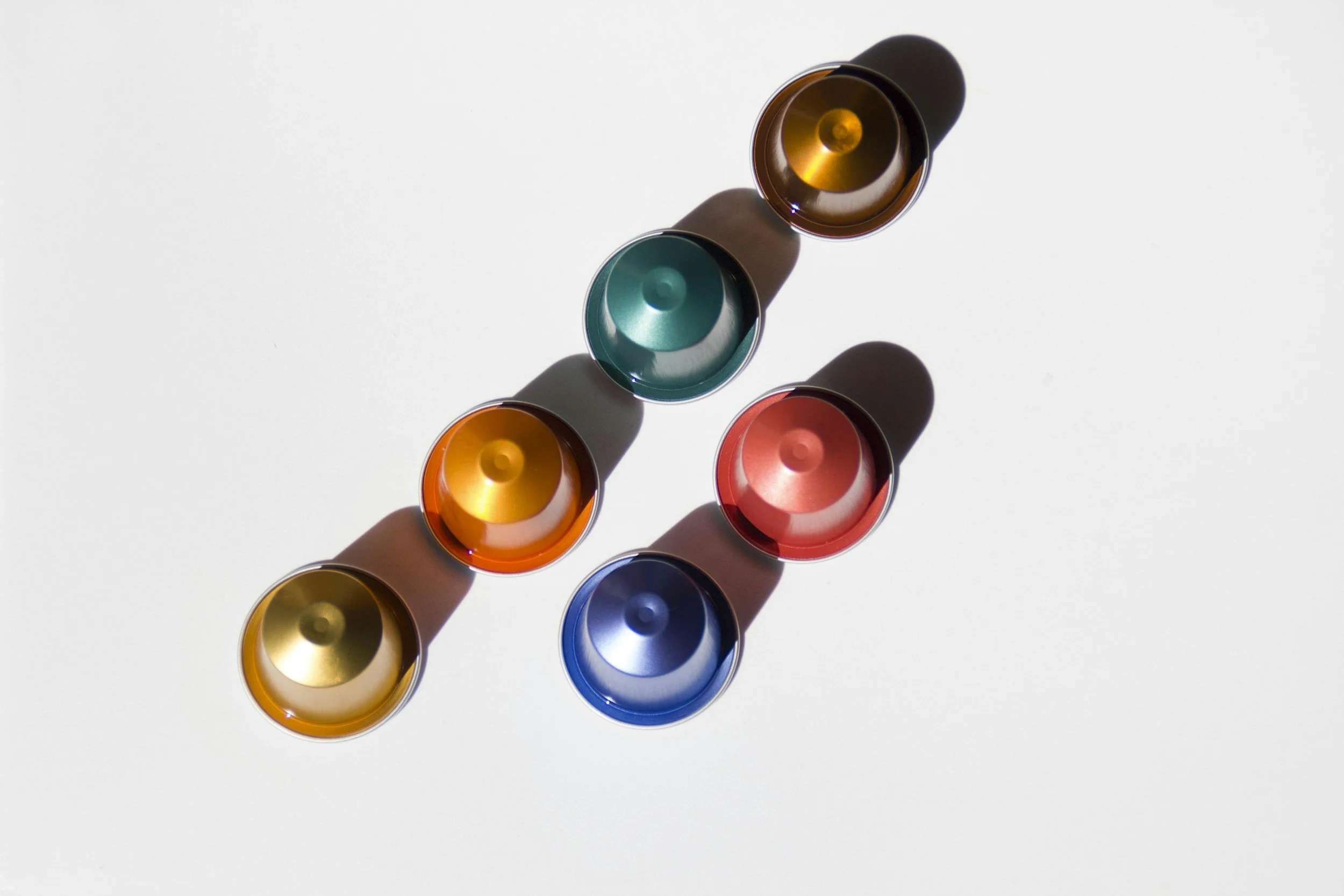
Coffee Capsules in China: Nespresso, Dolce Gusto, and the Compatibility Market
China's coffee capsule market is growing at 8%+ CAGR. This guide covers the Nespresso and Dolce Gusto ecosystems, the compatibility market, Luckin Coffee's dominance, novel coffee formats, CBEC vs domestic trade entry, platform strategy on Tmall and JD, and consumer preferences.
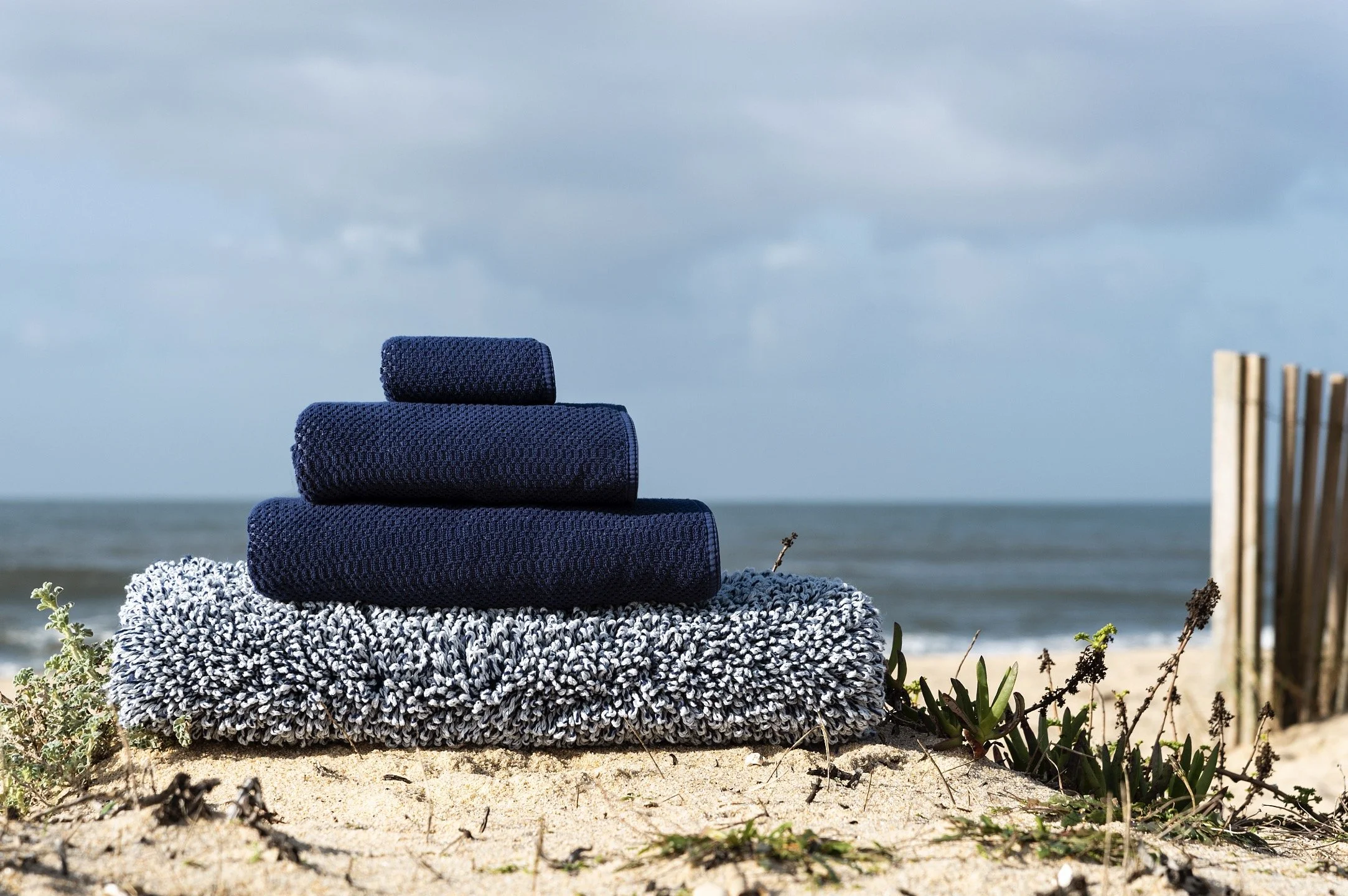
Selling Home Textiles in China: Towels, Bathrobes, and Bed Linens
China's home textile market is growing as consumers upgrade to premium imports. This guide covers both cross-border e-commerce (CBEC) and domestic trade routes for foreign textile brands — including GB 18401 compliance, tax structure comparison, platform strategy across Tmall and JD, the gifting culture opportunity, and how European material heritage creates lasting differentiation.
How to Launch a Niche Skincare Brand in China on a Small Budget
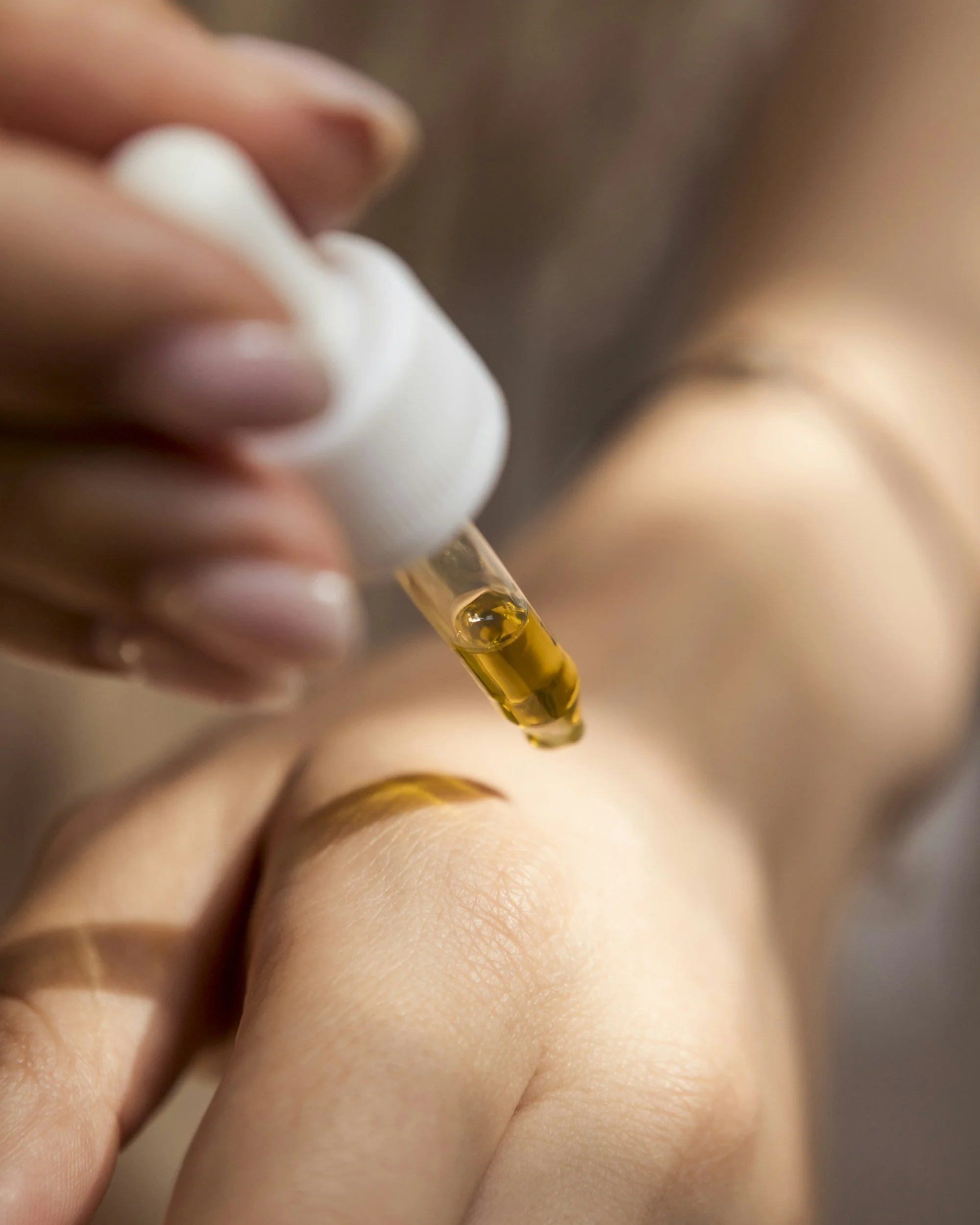
China's beauty market is expensive and competitive — but niche skincare brands can still succeed. This guide covers the lean, surgical approach: CBEC on Tmall Global to skip costly NMPA registration, KOC seeding on Little Red Book (Xiaohongshu) instead of expensive KOL campaigns, and content-first marketing that earns attention without big ad budgets. Realistic budgets from €4,000–10,000 per month.
Working with a Tmall Partner: What Foreign Brands Need to Know
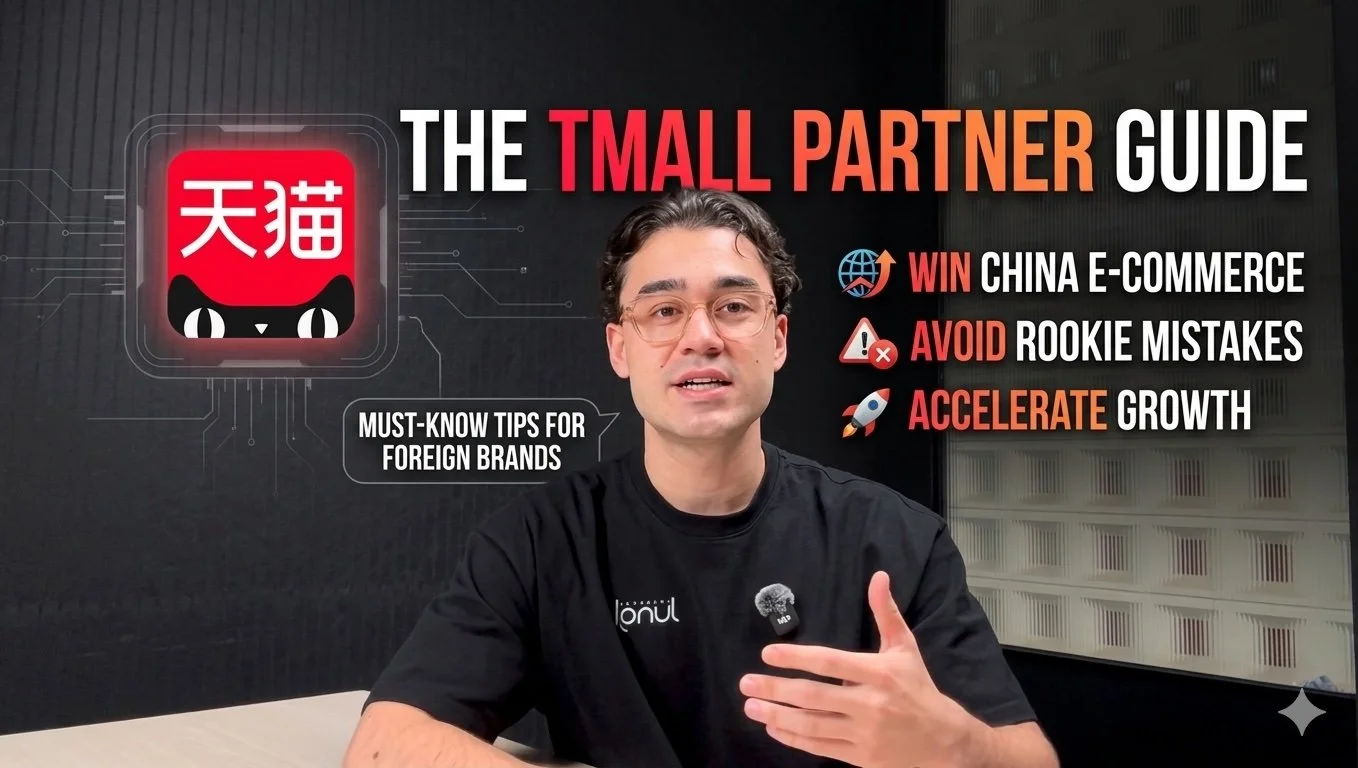
A Tmall Partner (TP) manages your brand's Tmall or Tmall Global store — handling setup, logistics, customer service, and marketing. This video guide covers what TPs do, when you need one, who should own the store, how money flows, seven red flags when choosing a TP, and how to structure a partnership that protects your brand. Includes chapter navigation and full written guide.
Sports Nutrition Brands Entering China: Creatine, Pre-Workout, and Beyond
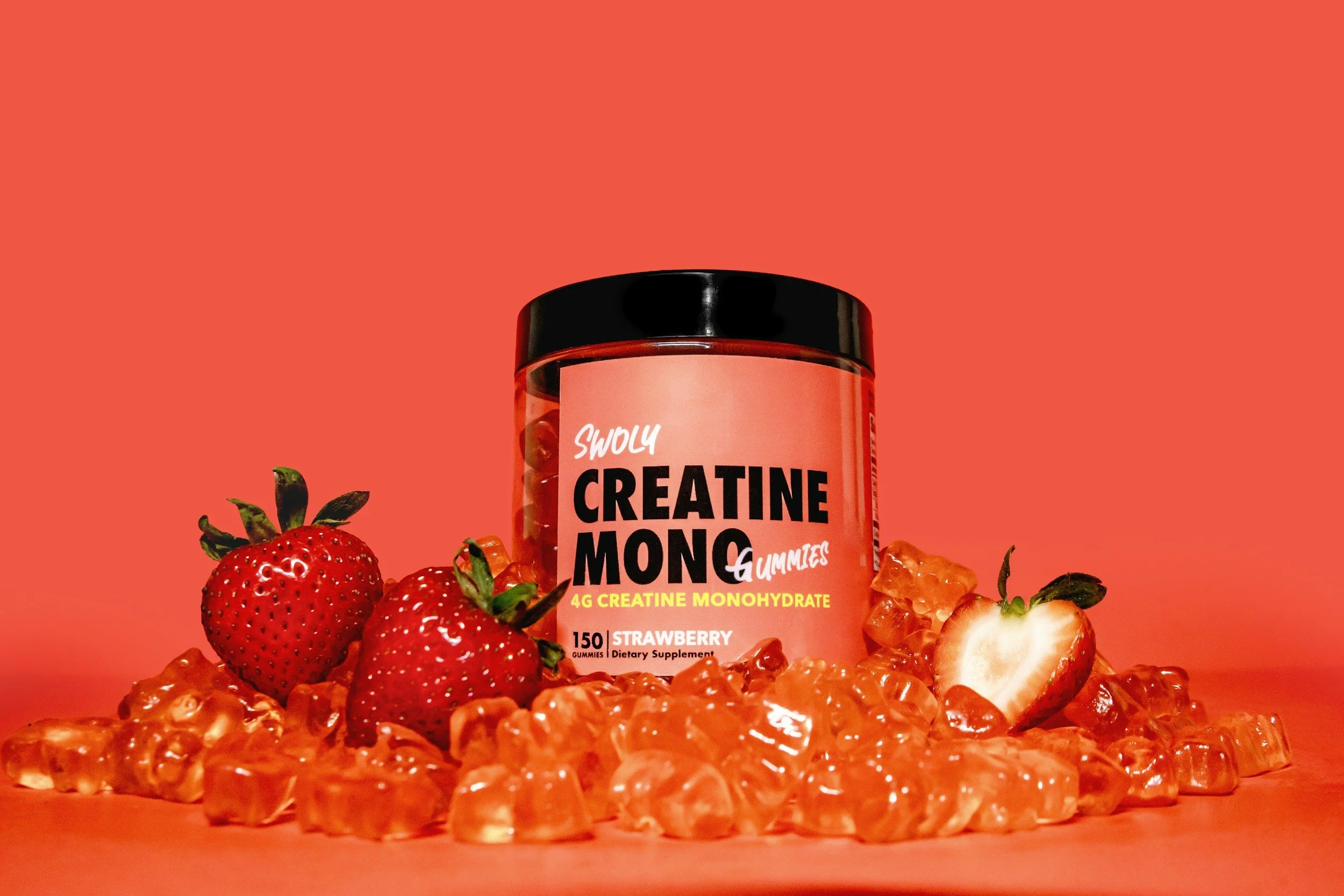
Expands beyond the protein powder post into the broader sports nutrition category. Cover creatine, BCAAs, pre-workout, energy gels, electrolytes. Fitness culture boom driven by Keep app (300M+ users), Douyin fitness KOLs, and gym culture in tier 1-2 cities. CBEC positive list status for each sub-category. Ingredient restrictions (some stimulants banned). Platform strategy: Tmall Global Health, JD, Douyin fitness community. Benchmarks: ON, MuscleTech, MyProtein.
Selling Pet Supplements and Health Products in China
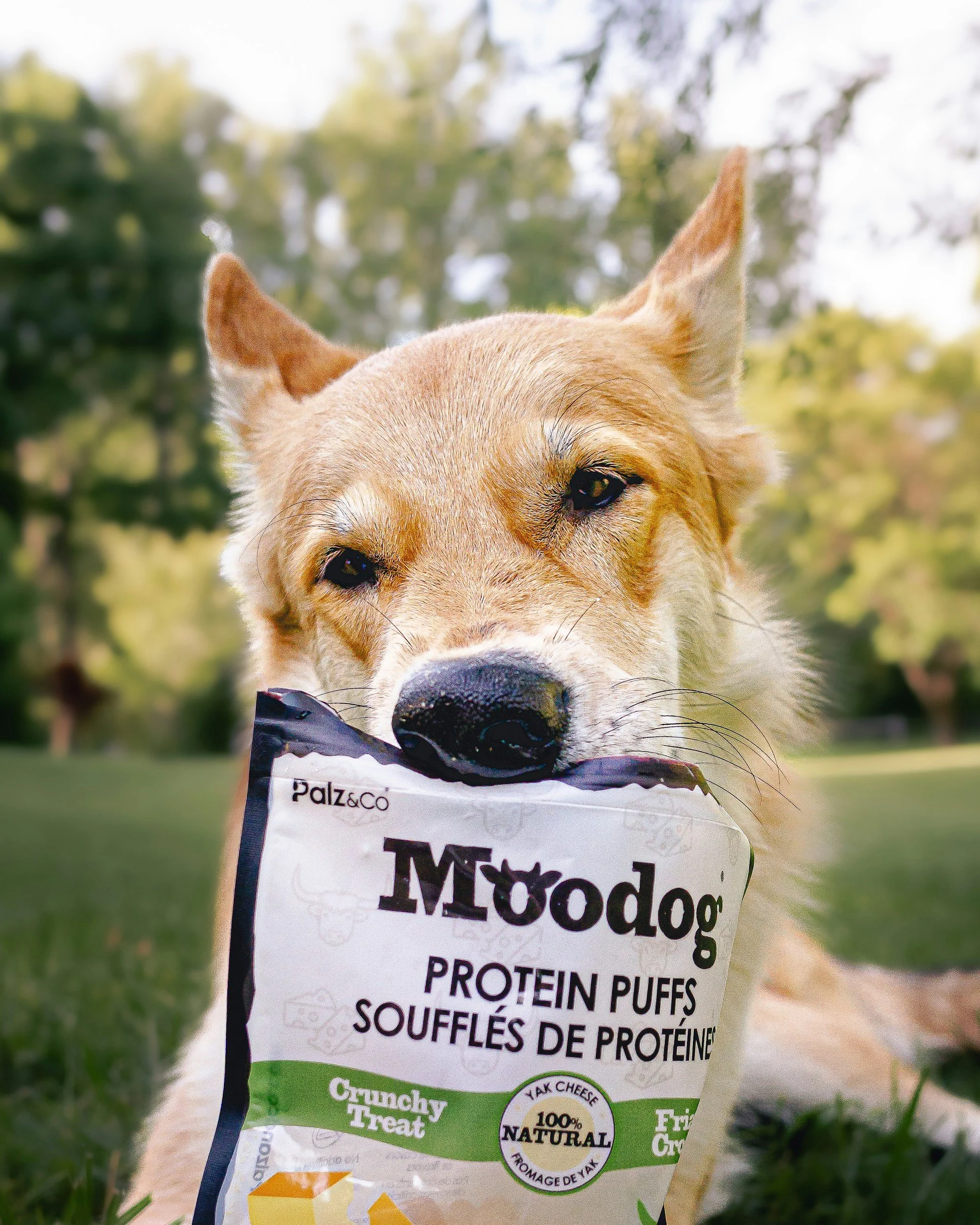
China's pet supplement market is growing at 14% annually with margins of 70–90%. This guide covers how foreign brands can enter via CBEC to bypass MARA registration, platform strategy for Tmall Global and JD Pet, ingredient restrictions, consumer research behavior on Little Red Book (Xiaohongshu), competitive positioning against brands like Zesty Paws, and KOL marketing strategies for pet health brands.
Tmall Global vs Douyin Shop vs Xiaohongshu Store: Where to Sell First
Tmall Global, Douyin Shop, and Xiaohongshu Store each serve a different purpose in China's e-commerce ecosystem. This guide compares all three platforms across audience, content model, cost, logistics, and category fit — with a decision matrix and a recommended multi-platform rollout sequence for foreign brands entering China for the first time.