Vitamin and Mineral Supplements in China: What's Selling and How to Enter
Vitamin and Mineral Supplements in China: What's Selling and How to Enter
Vitamins are the single largest supplement category in China — a $25.9 billion market where foreign brands hold real competitive advantages. Here's how to claim your share.
China's dietary supplement market generated $25.9 billion in revenue in 2024 and is projected to reach $46.6 billion by 2030. Within that, vitamins and minerals are the single largest category, accounting for 29.5% of all supplement sales. Over 25% of Chinese supplement users have increased their intake in the past year, and 80% purchase supplements at least monthly.
For foreign vitamin brands, this is one of the most accessible categories in China's health market — well-established on the CBEC positive list, proven consumer demand for imports, and clear paths to differentiation. Here's exactly how to enter.
Market Size & Growth
The numbers tell a clear story: China's supplement market is massive, growing fast, and vitamins sit at its center.
Euromonitor data puts the vitamins and dietary supplements (VDS) segment specifically at 225.34 billion RMB in 2023, accounting for 58.1% of the total health product market.
On Tmall specifically, US brands led the imported supplement market at 34.2% market share, narrowly ahead of mainland China brands at 31.1%. In vitamins, foreign brands maintain a genuine competitive edge.
Top Vitamin Categories
Not all vitamins perform equally in China. Consumer demand clusters around specific categories, each driven by different health concerns and demographics:
Highest volume category. Entry point for most consumers.
Immunity driver. High-dose products command premium pricing.
Fastest growing. Driven by urban indoor lifestyles.
Energy & stress support for young professionals.
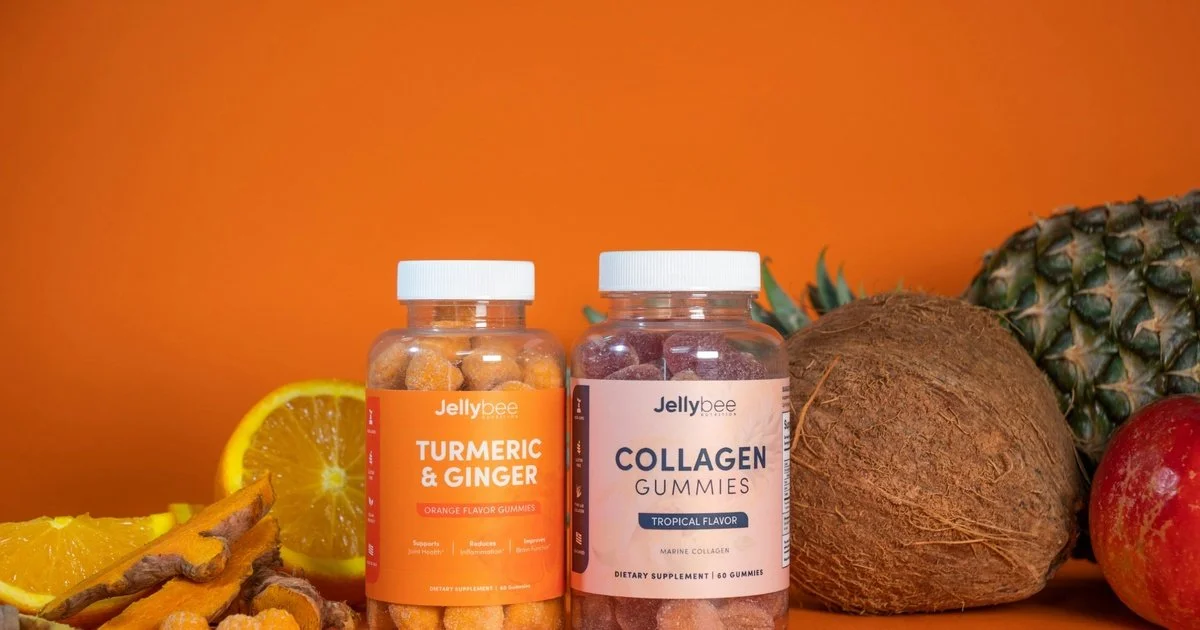
Format Trends: The Rise of Gummies
China's gummy vitamin market is growing at 9.4% CAGR and is projected to exceed $1.3 billion by 2035. This format shift represents one of the biggest opportunities for foreign brands entering the market.
While tablets still hold 31.7% market share, gummies are growing at 10.8% CAGR and attracting younger demographics. Liquid/drops are growing for children's vitamins and vitamin D.
The gummy format is particularly important for foreign brands because it represents a clear differentiation opportunity. Many domestic Chinese vitamin brands are still concentrated in traditional tablet and capsule formats.
Consumer Segments and Demand Drivers
Vitamin consumers in China span a remarkably wide demographic — but they buy for very different reasons and through different channels.
- Women's Health (25–45): Iron, folic acid, biotin, collagen+vitamin C combos. 50% of consumers consider physical appearance when purchasing supplements. Discover via Little Red Book (Xiaohongshu).
- Young Professionals (25–35): 94% take supplements — highest of any generation. Prefer gummies and modern formats. B-complex for energy, vitamin D for indoor lifestyles.
- Elderly & Bone Health (55+): Calcium + D3, multivitamins, immune support. Often purchased by adult children as gifts.
- Children & Parents: Children's multivitamins, vitamin D drops. Safety and import origin are paramount decision factors.

Regulatory Path: CBEC vs General Trade
Standard vitamins and minerals are well-established on China's CBEC positive list, making cross-border e-commerce the most practical entry route for foreign brands. If you opt for general trade, you must undergo Blue Hat filing or registration, which takes time and money.
| Factor | CBEC | Blue Hat (General Trade) |
|---|---|---|
| Time to market | 6–12 weeks | 1–3 years (filing) |
| Registration cost | None | $20,000–$100,000+ |
| Tax rate | 9.1% (applied to retail sales price) | 13%+ VAT + duties (applied to wholesale import price) |
| Labeling | Original packaging (no Chinese label required) | Chinese labels mandatory |
| Health claims | Limited — general wellness only | Approved function claims permitted |
| Sales channels | CBEC platforms only | All channels (online + offline + pharmacies) |
When calculating costs, note that the ~9.1% combined tax rate under the CBEC regime appears lower than general trade taxes, but it is applied to the sales price (retail price paid by the consumer). In general trade, the tax rate is higher but applied to the import price (wholesale/CIF price), which is significantly lower. These two tax bases are different, so the rates cannot be directly compared.
Platform Strategy
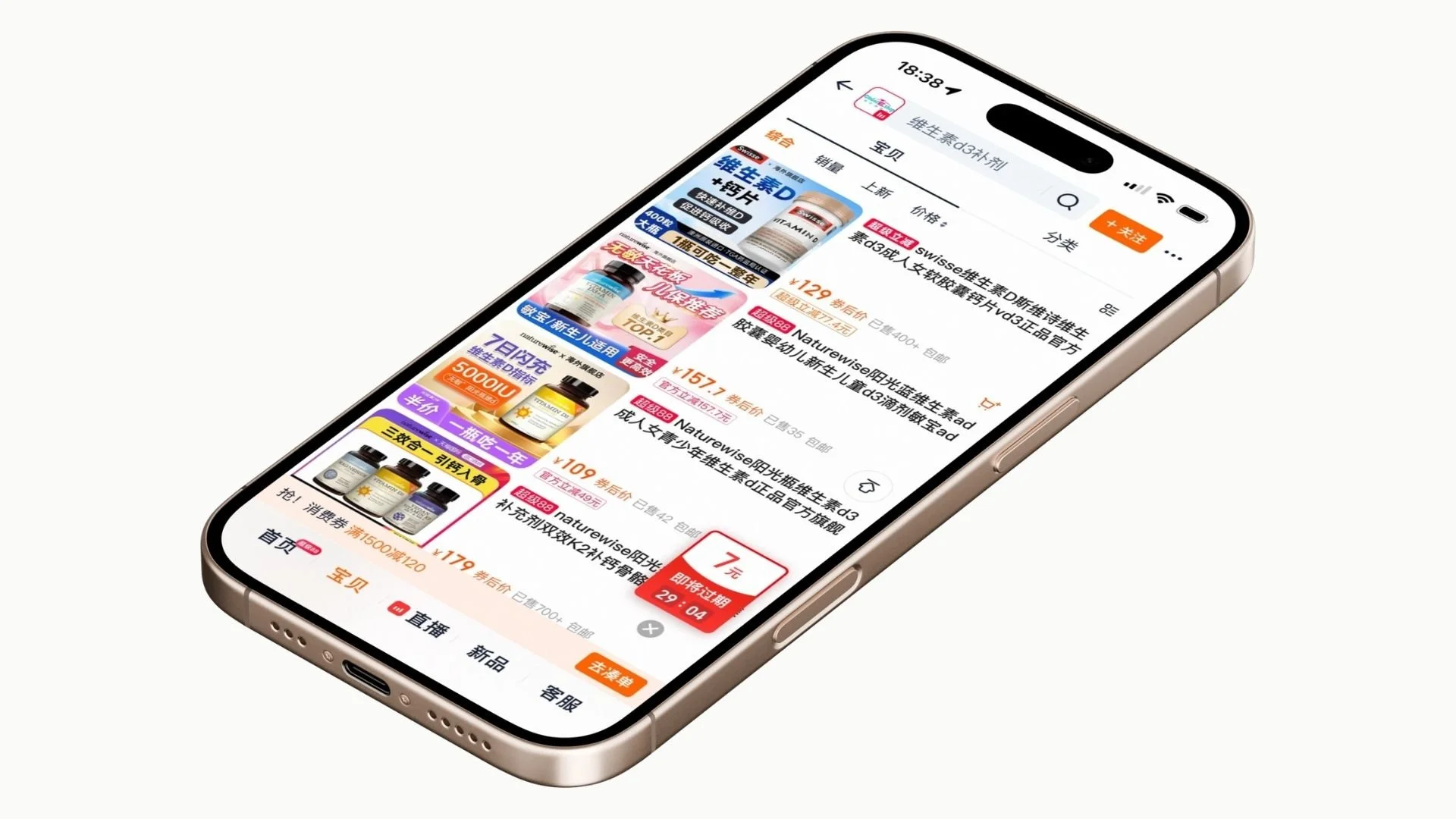
Tmall Global is the dominant platform for imported vitamins and supplements. Tmall Global's health category features dedicated promotional events, category-specific search optimization, and established consumer trust for foreign supplement brands.
JD Health provides strong infrastructure for vitamin brands targeting older demographics and family health purchases. JD's authentication guarantees and pharmaceutical-adjacent positioning add credibility.
Douyin livestream commerce is highly effective for vitamins, particularly for education-driven content about deficiency awareness and health benefits.
Little Red Book (Xiaohongshu) is essential for discovery and trust, particularly for women's health and beauty-adjacent vitamin categories.
Marketing and Differentiation
In a category as crowded as vitamins, differentiation is everything. Here are the strategies that work for foreign brands entering the Chinese market:
- Format innovation: Lead with gummies, effervescent, or liquid formats.
- Segment specialization: Own a specific consumer need, like women's beauty vitamins or active professional energy support.
- Origin and certification: Make your country of origin and regulatory certifications (FDA, TGA) the centerpiece.
- Clean label positioning: Non-GMO, organic, no artificial colors/flavors.
- Science-backed storytelling: Reference clinical research and publish educational content.
Pricing and Positioning
Foreign brands entering via CBEC should target the mid-range to premium tier (¥100–300). The 9.1% CBEC tax rate provides margin room that makes this positioning commercially viable, and Chinese consumers who choose imported vitamins are already prepared to pay more for perceived quality.
Avoid the trap of trying to match domestic pricing. BYHEALTH and similar brands sell a 90-day multivitamin supply for ¥30–60 through pharmacy channels. That's not your competition.

Market Entry Roadmap
Confirm product eligibility on CBEC positive list, select 3–5 lead SKUs, engage Tmall Partner (TP) for store operations, and begin Tmall Global flagship store application.
Ship initial inventory to bonded warehouse, build Tmall store pages, create Chinese-language content assets, and start Little Red Book (Xiaohongshu) KOC seeding campaign.
Go live on Tmall Global, activate paid search (Zhitongche), launch mid-tier KOL collaborations, and run introductory promotions.
Optimize based on early sales data, expand to JD Health/Worldwide, scale KOL program, and prepare for seasonal promotional events (6.18, 11.11).
FAQ
Are vitamins and minerals on the CBEC positive list?
Yes. Standard vitamins and mineral supplements are well-established on China's CBEC positive list. This means they can be sold through cross-border e-commerce platforms like Tmall Global and JD Worldwide without Blue Hat registration, Chinese labeling, or domestic regulatory approval.
How much does it cost to launch a vitamin brand on Tmall Global?
Budget approximately $25,000–$50,000 for the first six months, including Tmall Global deposit and fees ($5,000–$10,000), initial inventory and warehousing ($8,000–$15,000), TP service fees ($3,000–$10,000/month), and initial marketing ($8,000–$15,000).
Should I lead with gummies or traditional formats?
If your brand has gummy formulations, lead with them for your hero product — particularly multivitamins and vitamin C. Gummies are the fastest-growing format in China's vitamin market and help differentiate against domestic brands that are primarily tablet-focused. Complement with traditional formats for products where gummies are impractical.
What certifications matter most to Chinese vitamin buyers?
Australian TGA certification carries the most weight due to Swisse's brand-building efforts. US FDA manufacturing standards are also highly valued. EU food supplement notification, Health Canada NPN, and GMP certification all add credibility.
Can I make health claims for vitamins sold via CBEC?
Specific function claims are generally restricted for CBEC-imported supplements. You can discuss ingredient science and general nutritional benefits, but claims about treating, preventing, or curing conditions are prohibited. Focus marketing on ingredient quality, sourcing, and educational content about nutritional health.
Ready to sell your vitamins in China?
Shanghai Jungle is a Tmall Partner helping foreign vitamin and supplement brands launch on Tmall Global through CBEC — from store setup to marketing execution.
Book a free consultation →