

Which Product Categories Sell Best on Tmall Global?
A strategic guide to the 10 highest-performing import categories — and how to evaluate which one is right for your brand.
Your category determines almost everything about your China launch
Before a single product ships to a bonded warehouse, the category you operate in has already shaped your regulatory path, your competitive environment, your margin structure, and your marketing playbook. Two brands with identical budgets and equally strong products can see dramatically different results depending on whether they enter a high-demand, low-competition category or an oversaturated one with entrenched domestic players.
This guide evaluates all 10 leading import categories on Tmall Global through the lens of a foreign brand weighing market entry. For each category, we cover the commercial opportunity, the competitive landscape, which countries of origin carry the strongest consumer trust, and what it actually takes to build traction. The data reflects 2025 full-year performance and early 2026 trends.
The 10 Largest Import Categories on Tmall Global
| Rank | Category | YoY Growth | Competition | Top Country Origins |
|---|---|---|---|---|
| 1 | Beauty & Skincare | +8–12% | Very high | Japan, Korea, France |
| 2 | Health Supplements | +14–18% | Moderate | Australia, USA, Japan |
| 3 | Mother & Baby | +6–10% | High | Japan, Germany, Netherlands |
| 4 | Personal Care | +10–14% | Moderate–High | Japan, Korea, USA |
| 5 | Food & Beverage | +12–16% | Moderate | Japan, Korea, USA, Italy |
| 6 | Fashion & Apparel | +4–8% | High | Italy, France, Korea |
| 7 | Consumer Electronics | +2–5% | Very high | Japan, Germany, USA |
| 8 | Home & Living | +8–12% | Low–Moderate | Japan, Scandinavia, Germany |
| 9 | Pet Products | +20–25% | Low | USA, Canada, New Zealand |
| 10 | Sports & Outdoor | +14–18% | Moderate | USA, Germany, Japan |
Beauty & Skincare
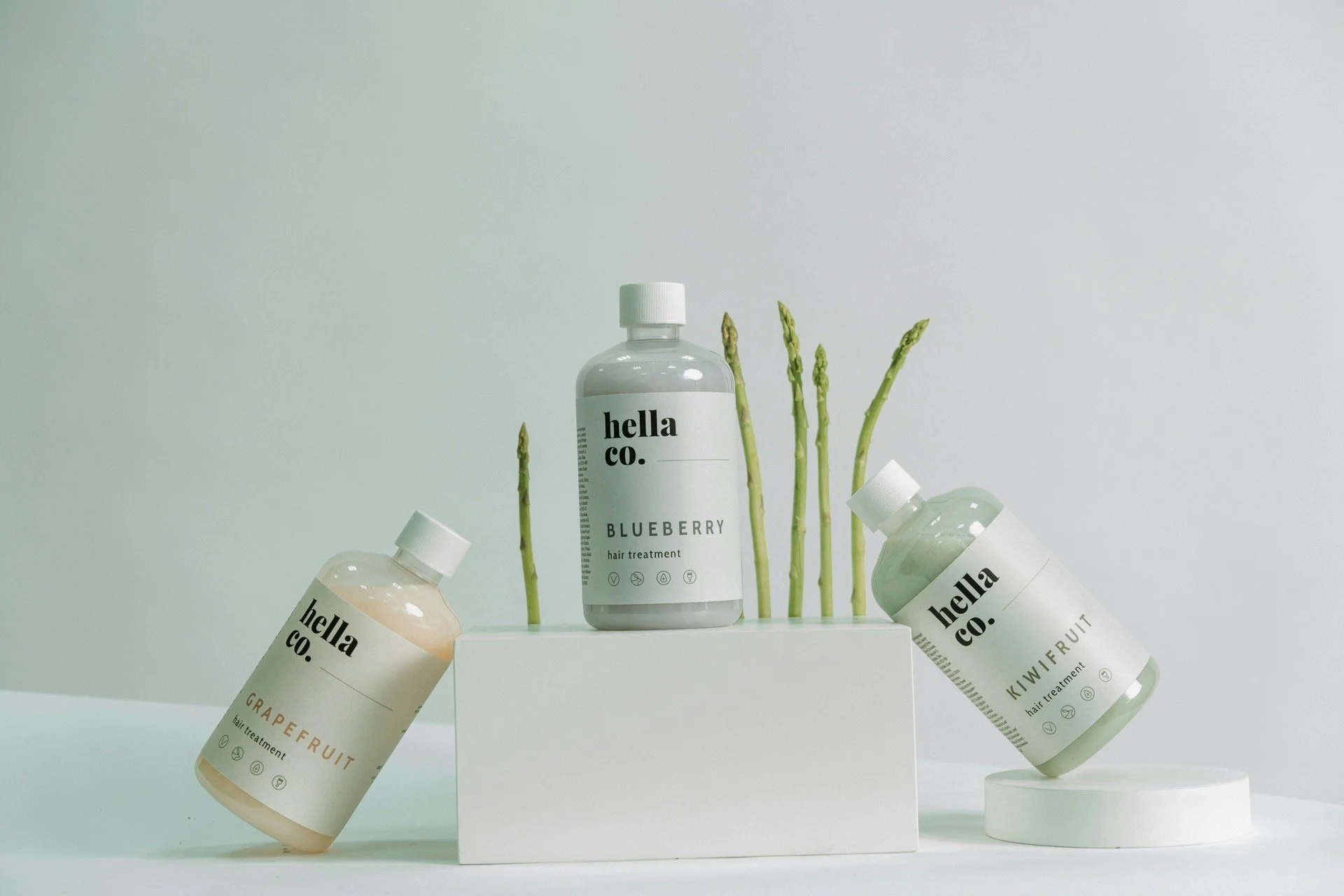
Beauty commands the largest share of imported product sales on Tmall Global, and it has held that position for every year the platform has existed. The category spans skincare, color cosmetics, fragrance, and specialized segments like dermo-cosmetics and clean beauty. For foreign brands, beauty is simultaneously the biggest opportunity and the most competitive environment on the platform.
The challenge is clear: Chinese domestic brands now hold over 57% of the total beauty market. Companies like Proya, Winona, and Florasis have invested heavily in R&D, hired world-class formulation talent, and built marketing operations that rival the best international players. "Imported" alone stopped being a sufficient value proposition several years ago. The brands that succeed today lead with specific, defensible product advantages — clinical backing, patented ingredients, formulation transparency, or a genuine clean beauty standard that Chinese competitors have not yet replicated.
Where foreign brands still win
Functional skincare with clinical data remains an area where imported brands carry meaningful credibility. Dermatologist-developed products, barrier repair formulations, and active ingredient concentrations that Chinese consumers trust more from established foreign laboratories. Fragrance is the fastest-growing beauty sub-segment, and imported niche perfume brands are currently gaining share faster than any other beauty sub-category. Clean beauty is another opening, with more than 70 foreign clean beauty brands entering Tmall Global in the past 18 months.
The consumer is highly educated. Ingredient lists are read closely. Claims are cross-referenced on Little Red Book (Xiaohongshu) and beauty review platforms before purchase. If your product page does not lead with efficacy data and ingredient specifics, it will underperform against competitors that do.
Health Supplements

If there is a single category on Tmall Global that structurally favors foreign brands, it is health supplements. The reason comes down to regulation. Selling supplements domestically in China requires Blue Hat registration — a process that takes 12–24 months, costs upwards of $30,000 per SKU, and requires Chinese-language clinical testing. Cross-border e-commerce bypasses this entirely. A foreign supplement brand can be selling on Tmall Global with its existing international certifications within 8–12 weeks.
This regulatory asymmetry gives imported brands a structural advantage that does not exist in most other categories. Chinese consumers actively seek foreign supplements because they associate them with stricter manufacturing standards, more transparent ingredient sourcing, and longer track records of product safety. Australian, American, and Japanese brands dominate the category, with Australian brands in particular holding an outsized share relative to Australia's overall trade volume with China.
Growth segments worth watching
The supplement market is growing across almost every sub-category, but four areas stand out: immunity and general wellness (driven by post-pandemic health consciousness), beauty-from-within products (collagen, NMN, hyaluronic acid drinks), gut health and probiotics, and sports nutrition. The sports nutrition segment in particular is growing at 20%+ annually, driven by a fitness culture boom among urban Chinese consumers aged 20–35.
One operational detail that matters: the cross-border tax rate on supplements is 9.1%, calculated on the sales price. This is lower than the domestic import tax structure, where rates apply to the assessed import price and additional VAT compounds the effective cost. This tax differential gives cross-border supplement brands a pricing flexibility that domestic-registered competitors do not enjoy.
Mother & Baby

Chinese parents spend more per child than parents in almost any other market, and imported products remain the default choice for many purchase decisions — especially infant formula, diapers, baby skincare, and early nutrition. The 2008 melamine scandal permanently reshaped Chinese consumer trust in domestic infant products, and while domestic brands have invested heavily in rebuilding credibility, a large segment of parents still defaults to imported alternatives.
The declining birth rate in China (the total fertility rate dropped below 1.0 in 2023) has not reduced the commercial appeal of this category as much as headlines might suggest. Per-child spending continues to rise, driven by a cultural emphasis on giving children the best available products and a growing premium segment within baby care. For foreign brands, fewer births but higher spending per child means a smaller but increasingly valuable addressable market.
Product segments and competitive dynamics
Infant formula is the single largest product segment and carries the strongest country-of-origin premium. European brands (Netherlands, Germany, Ireland) and Australasian brands dominate. Japanese brands lead in diapers and baby skincare. Organic baby food is a growth segment where European provenance carries significant weight. The operational challenge for foreign brands is building trust through verifiable supply chain transparency — Chinese parents research extensively, and quality certifications, factory documentation, and ingredient traceability are all scrutinized before purchase.
Personal Care

Personal care occupies interesting territory for foreign brands because it sits at the intersection of beauty and daily consumables. The category covers oral care, hair care, body care, scalp treatments, deodorants, and intimate care. Growth rates are strong — especially in functional sub-segments like scalp care, whitening oral products, and body care with active ingredients — and the repurchase dynamics are excellent.
Japanese and Korean brands are particularly well established in personal care on Tmall Global. Japanese oral care products (whitening toothpaste, electric toothbrush heads, specialized mouthwash) consistently rank among the highest-selling imported personal care items. Korean body care and hair care have built large followings through social content on Little Red Book (Xiaohongshu) and Douyin. For brands from other countries, the path to traction requires finding a functional differentiation point that Japanese and Korean brands do not already own.
The commercial appeal of personal care lies in its repeat-purchase nature. Unlike a one-time skincare investment or a fashion purchase, personal care products are used up and reordered on predictable cycles. This makes customer acquisition costs more sustainable because lifetime value is high. Brands that invest in subscription-style marketing and membership programs on Tmall tend to see the best retention rates in this category.
Food & Beverage

Imported food and beverage is one of the faster-growing categories on Tmall Global, with consistent double-digit brand-level growth. Coffee is the standout sub-segment — China's specialty coffee market has expanded at roughly 15% annually, and imported beans, capsules, and RTD coffee are all growing. Japanese snacks, Korean confectionery, Italian pasta and sauces, and premium alcohol (particularly wine and whisky) are other areas where imported products carry a genuine consumer preference.
The cross-border e-commerce pathway is especially attractive for food brands because domestic food registration in China is a lengthy and expensive process. CBEC allows food products that comply with their home-country regulations to sell into China without undergoing Chinese food safety certification — provided the products fall within the CBEC positive list. This means a food brand can test Chinese consumer demand for its products within a few months, rather than committing to a registration process that may take over a year.
What to consider before entering
Food is a category where visual presentation and packaging localization carry disproportionate weight. Chinese consumers buying imported food expect the packaging and product page imagery to be translated and adapted — not just a photo of the original Western packaging. Taste preferences also diverge significantly from most foreign markets. Brands that invest in consumer research (or at minimum, platform data analysis on which flavors and formats sell best in their sub-category) outperform those that simply export their existing product line without modification.
Fashion & Apparel

Fashion is a large category with relatively modest growth for imported brands on Tmall Global. The reason is straightforward: Chinese domestic fashion brands have a structural advantage in speed, price, and cultural relevance. Companies like Shein (for export) and a growing generation of domestic fashion labels have built design-to-shelf pipelines that most foreign brands cannot match. The domestic share of China's fashion market is dominant, and competing on volume or price is rarely viable for an imported brand.
Where foreign fashion brands succeed is in the premium and luxury segments. Italian, French, and Korean fashion brands with strong design identities and recognizable brand stories can build viable businesses on Tmall Global. The key word is "recognizable" — the brand needs to stand for something specific that a Chinese consumer cannot find from a domestic alternative. Heritage craftsmanship, distinctive design language, or a cultural association that carries weight (Italian leather goods, Scandinavian minimalism, French haute couture heritage) gives a brand positioning that generic "imported fashion" does not.
Fashion also has higher return rates than most other categories on Tmall Global, which affects margin calculations. Sizing discrepancies between foreign and Chinese standards are a persistent operational issue. Brands that invest in detailed size conversion guides and fit photography tailored to Chinese body types see measurably lower return rates.
Consumer Electronics

Consumer electronics is the most difficult category for foreign brands on Tmall Global. China has the world's most competitive domestic electronics industry, with companies like Xiaomi, Huawei, Oppo, Haier, and Midea producing high-quality products at price points that foreign competitors struggle to match. Growth rates for imported electronics on the platform are the lowest of any major category, and the competitive intensity is extreme.
That said, there are specific niches where imported electronics hold genuine consumer appeal. Japanese audio equipment (headphones, portable speakers, hi-fi components), German small kitchen appliances (precision coffee grinders, food processors), and specialized smart home devices from American and European brands occupy positions that Chinese manufacturers have not fully replicated. The common thread is technical precision or brand heritage in a specialized domain — areas where "made in Japan" or "designed in Germany" carries a quality perception that translates into purchase decisions.
The regulatory environment for electronics also matters. Some product categories require CCC (China Compulsory Certification) even under the CBEC pathway, which can add complexity and cost. Brands considering electronics should verify their specific product classifications against the CBEC positive list and CCC requirements before committing to a launch plan.
Home & Living

Home and living is an underappreciated category on Tmall Global that offers favorable conditions for foreign brands. Competition from domestic imported brands is lower than in beauty or fashion, growth rates are solid, and the category benefits from a cultural trend that is still accelerating: Chinese consumers investing more in their living spaces and seeking design-forward products that signal taste and lifestyle sophistication.
The "home tour" content trend on Little Red Book (Xiaohongshu) has been a powerful driver for imported home goods. Consumers share detailed posts showcasing their apartment interiors, tagging specific products and brands. Scandinavian design brands, Japanese home organization products, and German kitchen tools all appear frequently in this content. The social proof dynamic in home goods is particularly strong because the products are visual and photographable — they perform well in the content-to-commerce pipeline that defines modern Chinese consumer behavior.
Operationally, home goods present some logistics considerations. Products tend to be bulkier and heavier than beauty or supplements, which affects shipping costs and bonded warehouse storage fees. Fragile items require more sophisticated packaging for cross-border transit. Brands should factor these logistics costs into their margin calculations, as the per-unit shipping expense for a set of ceramic plates is materially different from a bottle of vitamins.
Pet Products

Pet products represent the fastest-growing import category on Tmall Global by percentage growth, expanding at 20–25% year over year. China's pet ownership rate has been climbing steadily, particularly in urban areas where young professionals and childless couples are spending on their pets at levels comparable to developed markets. The pet economy crossed RMB 300 billion in 2025 and shows no signs of slowing down.
For foreign brands, the opportunity is concentrated in pet food and pet health products. Chinese consumers have significant trust concerns about domestically produced pet food — a series of quality incidents over the past decade has driven a strong preference for imported alternatives, particularly from the United States, Canada, New Zealand, and Australia. This trust dynamic is similar to the infant formula pattern in mother and baby, where a history of safety concerns permanently redirected consumer preference toward imports.
Premium imported pet food brands that can demonstrate ingredient transparency, manufacturing standards, and veterinary endorsements are building loyal customer bases rapidly. The reorder dynamics are excellent — pet food is a consumable with entirely predictable repurchase cycles, and once a pet owner finds a food their animal thrives on, switching costs (both practical and emotional) are high. This makes pet products one of the most LTV-friendly categories on the platform.
Sports & Outdoor

Sports and outdoor is a high-growth category fueled by China's expanding fitness and outdoor recreation culture. Urban running, camping, hiking, cycling, and gym training have all seen participation increases over the past three years, driven by health consciousness and a lifestyle shift among younger Chinese consumers. Imported sports brands carry strong appeal because technical performance, material innovation, and brand heritage matter to consumers who take their activities seriously.
The competitive landscape is favorable for specialist brands. While large global names like Nike and Adidas operate domestic Tmall stores (not cross-border), smaller and mid-sized brands with genuine technical credibility in specific activity verticals can build strong positions on Tmall Global. Trail running shoe brands, premium camping equipment manufacturers, cycling component specialists, and technical outdoor apparel companies are all finding receptive audiences.
Country-of-origin associations are pronounced in this category. American brands carry weight in fitness and running. German brands are trusted for precision-engineered equipment. Japanese brands have a strong reputation for outdoor clothing technology. Swiss brands lead in hiking and mountaineering. If your brand's country of origin aligns with the activity it serves, that association is a positioning asset worth building your entire marketing narrative around.
Emerging Categories to Watch
Several newer segments are growing faster than the established top 10 and may represent category-defining opportunities for early movers in the next two to three years.
Collectible Toys
The fastest-growing category on Tmall Global in 2025. Driven by blind box culture, art toys, and designer figurines. POP MART dominates domestically, but overseas collectible brands are entering rapidly.
Niche Fragrance
Fragrance is growing at 25%+ and imported niche perfume brands are the primary beneficiaries. Chinese consumers want scents that feel personal and distinctive, creating demand for smaller, artisanal houses.
Outdoor Gear
Camping culture has gone mainstream in China. Premium imported tents, cookware, technical clothing, and accessories are growing at rates that place outdoor gear among the fastest-moving sub-categories.
Men's Grooming
Growing at roughly 18% year over year. The segment is underpenetrated relative to mature markets. Foreign brands with credible men's skincare and grooming ranges face less competition than in women's beauty.
Where Your Country of Origin Gives You an Edge
Chinese consumers associate specific countries with specific product strengths. These associations are deeply embedded and difficult for brands from other origins to overcome. If your country aligns with your category, use that alignment as a core positioning element.
| Country / Region | Strongest Categories | Consumer Perception |
|---|---|---|
| Japan | Beauty, personal care, mother & baby, home goods | Quality, precision, attention to detail, safety |
| Korea | Beauty, personal care, food, fashion | Trendsetting, accessible luxury, K-culture influence |
| Australia | Health supplements, baby formula, pet food | Clean environment, strict safety standards, natural sourcing |
| USA | Supplements, sports, pet products, electronics | Innovation, research-backed, performance |
| France | Beauty, fragrance, fashion, food | Luxury, sophistication, heritage craftsmanship |
| Germany | Baby products, electronics, home appliances, supplements | Engineering precision, reliability, thoroughness |
| Italy | Fashion, food, home goods | Design, taste, artisanal quality |
| New Zealand | Baby formula, supplements, pet food | Purity, environmental cleanliness, grass-fed/organic |
| Scandinavia | Home goods, fashion, personal care | Minimalist design, sustainability, clean formulations |
How to Evaluate Whether Your Category Is Right for Tmall Global
Category data tells you what is selling. It does not tell you whether your brand should enter. Here is the framework we use when evaluating a brand's category fit for the Chinese market.
1. Regulatory pathway
Does your product category benefit from the CBEC regulatory shortcut? Categories like supplements and food see the biggest advantage. Electronics may still require CCC certification.
2. Country-of-origin fit
Does your country have a positive consumer association in your category? A German skincare brand faces a harder positioning challenge than a German baby product brand.
3. Domestic competition
How strong are Chinese brands in your category? In beauty and electronics, domestic players are formidable. In supplements and pet food, imported brands have structural advantages.
4. Defensible differentiation
Can you articulate a product advantage that Chinese consumers care about and domestic brands cannot easily replicate? Clinical data, proprietary ingredients, design heritage, or manufacturing provenance.
5. Marketing investment capacity
High-competition categories like beauty require marketing budgets of 25–40% of revenue. Lower-competition categories like pet products or home goods can achieve traction with leaner investment.
6. Repurchase economics
Consumable categories (supplements, pet food, personal care, food) have naturally high LTV. Durable categories (fashion, electronics, home) require continuous new customer acquisition.