Essential Oils and Aromatherapy in China
Essential Oils and Aromatherapy in China
China's aromatherapy market is growing at 12% annually — nearly double the global average — driven by a self-care movement that has made diffusers, pure oils, and aromatic skincare mainstream. For foreign brands, CBEC offers a clear path in, and Xiaohongshu is where the market is won.
Market Size and Growth
The essential oils aromatherapy china market is one of the fastest-growing wellness categories in Asia. China's essential oils market was valued at $529.9 million in 2024 and is projected to reach $1.34 billion by 2033 at a compound annual growth rate of 10.9%, according to Grand View Research. The broader aromatherapy market is on a steeper trajectory — valued at $659.9 million in 2024 and projected to hit $1.29 billion by 2030 at a 12% CAGR.
These figures reflect a market that is expanding well above global averages. The global essential oils market reached $28.3 billion in 2025 and is growing at 7.9% CAGR. The global aromatherapy market was valued at $7.9 billion in 2025, growing at 6.8%. China is outpacing both by a significant margin — nearly doubling the global growth rate in the aromatherapy category.
Within the essential oils category, single essential oils represent the largest product segment. Citrus oils are the fastest-growing specific product type. Lavender, peppermint, tea tree, eucalyptus, and rosemary are consistently among the top-selling imported oils. The aromatherapy diffuser sub-market alone was valued at $267.1 million in 2025 and is expected to reach $535.7 million by 2033, growing at 9.1% CAGR — indicating that hardware is keeping pace with consumable oil sales.
The Self-Care Movement Driving Growth
The rise of essential oils and aromatherapy in China is inseparable from a broader cultural shift toward self-care, stress management, and intentional living. Post-pandemic awareness of mental health, combined with increasingly pressured work environments in Chinese cities, has created genuine consumer demand for accessible wellness rituals — and aromatherapy fits this pattern perfectly.
The connection to Traditional Chinese Medicine matters. TCM has always emphasized the therapeutic properties of plant-based ingredients, including aromatic herbs used in medicine and ritual. Modern aromatherapy products tap into this cultural memory, giving imported essential oils a legitimacy that is harder to establish in categories without such roots. Consumers who might be skeptical of a foreign supplement have an intuitive framework for understanding why a plant extract might have calming or energizing effects.
What Consumers Are Searching For
Sleep quality is the leading health concern driving aromatherapy purchases in China. Lavender-based products — oils, pillow sprays, and diffuser blends — are among the most searched wellness items on Xiaohongshu. The search term "助眠" (sleep aid) paired with aromatherapy-related terms generates consistently high engagement. Stress relief and anxiety reduction are the second and third most cited motivations, with peppermint and eucalyptus oils popular for focus and energy applications.
The home environment has also become an arena for self-expression. Electric diffusers have become design objects as much as wellness products, with consumers seeking aesthetically appealing devices that complement their interiors. This has driven a premium segment of designer diffusers and curated oil sets positioned as lifestyle products rather than purely functional items.
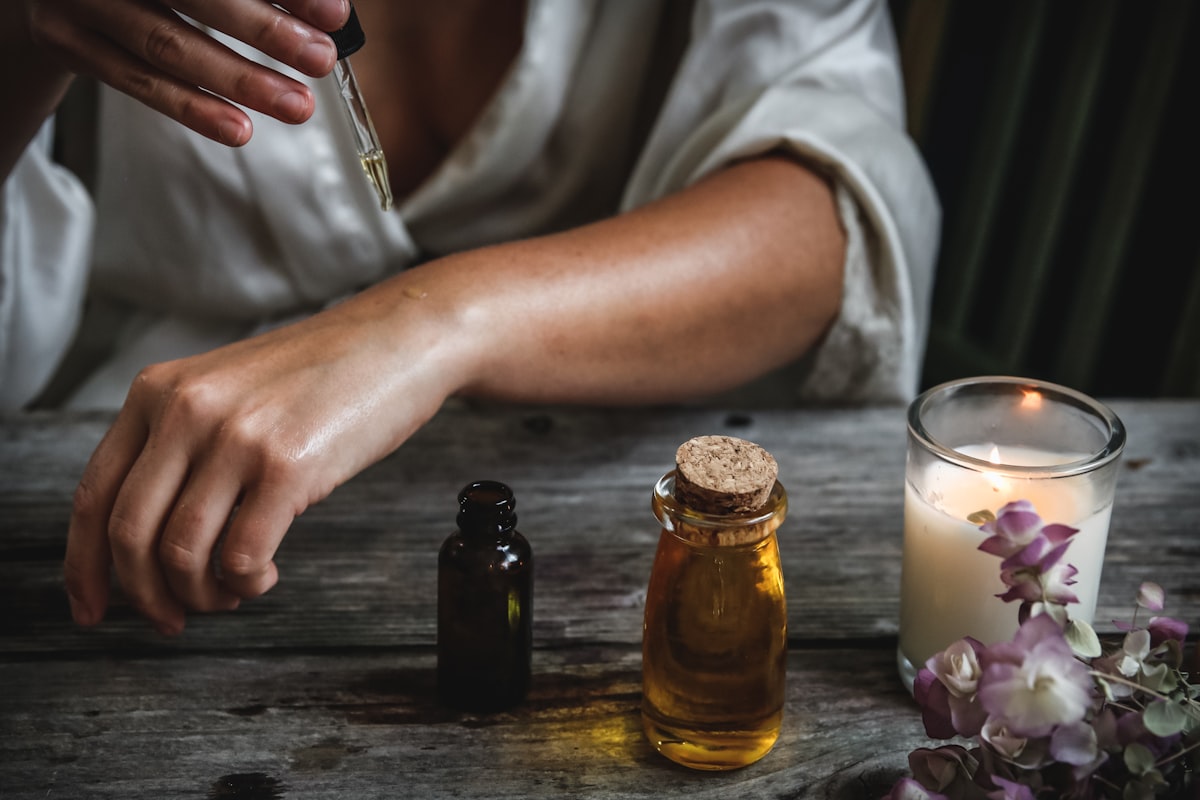
The self-care movement in urban China has turned essential oils and diffusers into mainstream lifestyle products.
Product Categories
The essential oils and aromatherapy market in China spans several distinct product formats, each with different purchasing patterns and competitive dynamics. Foreign brands entering this market need to understand which categories reward imported products and which are already dominated by domestic competition.
Single Essential Oils
Pure essential oils in 5–30ml bottles. Lavender, peppermint, tea tree, eucalyptus, and citrus are the core sellers. Purchased for diffuser use, skincare blending, and direct application. Consumers compare botanical source, extraction method, and purity certifications. Premium pricing for certified organic or therapeutic-grade products.
Diffusers & Devices
Electric ultrasonic diffusers, reed diffusers, and room sprays. The category has been transformed from functional devices into home decor statements. Minimalist ceramic and wood-grain designs perform best on social media. Starter sets (diffuser + 3–5 oils) are the most popular gift format.
Blended & Therapeutic Oils
Pre-blended formulations for specific purposes: sleep, focus, stress relief, immune support. Higher margin than single oils. Branded storytelling is essential — consumers need to understand why a specific combination produces a claimed effect. Roller-ball formats popular for on-the-go use.
Aromatherapy Skincare
Face oils, body oils, and massage products incorporating essential oils. Bridges the gap between skincare and wellness. Rosehip, jojoba, and facial oils positioned as clean beauty alternatives. Growing rapidly as consumers integrate aromatherapy into their skincare routines.
Competitive Landscape
China's essential oils market features a mix of global incumbents, regional specialists, and rapidly improving domestic brands. The competitive advantage for foreign brands lies in botanical origin and certification credibility — not price.
doTERRA & Young Living (US)
Global essential oil leaders with strong brand recognition. However, their MLM distribution models face legal and regulatory scrutiny in China. Both operate with modified structures — creating opportunity for brands with cleaner retail models.
European Certified Brands
Swiss and European organic essential oil brands are growing rapidly via CBEC. Swiss origin carries strong wellness credibility. Clean certification (organic, vegan, fair trade) resonates powerfully with Chinese premium consumers seeking authenticity.
Australian Brands
Australian essential oil brands benefit from strong country-of-origin trust, particularly for tea tree oil. Thursday Plantation and similar brands have established CBEC presence. Australian-origin botanicals (eucalyptus, tea tree, lemon myrtle) differentiate effectively.
Chinese Domestic Brands
Rapidly improving domestic brands competing on price and local scent preferences. Strong in reed diffusers and home fragrance. Less competitive in certified-organic pure essential oils where foreign origin carries real credibility.
Chinese consumers associate lavender with Provence, tea tree with Australia, and peppermint with European Alpine regions. Brands that lean into these origin narratives — rather than competing on price — find a receptive market. The certification stack (organic, GC/MS tested, therapeutic grade, fair trade) is equally important, as consumers have grown sophisticated about evaluating oil quality through Xiaohongshu comparison posts and KOL reviews.
Consumer Demographics
The core aromatherapy consumer in China is urban, female, and between 22–38 years old — part of a generation that treats self-care as a regular practice rather than a luxury. Aromatherapy purchases are driven by specific wellness goals (better sleep, reduced stress, improved focus) rather than vague wellness aspirations.
Primary Use Cases
Primary use cases for essential oils and aromatherapy products in China. Based on consumer research and platform search data.
A secondary but growing segment consists of wellness-aware men aged 28–42 purchasing aromatherapy products for their home environment, often as part of a broader interest in interior design and living quality. This segment tends to purchase higher-priced diffuser units and is responsive to design-forward branding. Male-targeted aromatherapy marketing is an underserved niche.
Gift purchasing is a significant sales driver, particularly for starter sets and premium diffuser packages. Aromatherapy gift sets appeal across demographics — they signal thoughtfulness and wellness awareness without the intimacy concerns of fragrance or the complexity of skincare.
Sleep improvement and stress relief are the primary purchase drivers for aromatherapy consumers in China.
Regulatory Landscape
The regulatory classification of essential oils in China significantly affects which market entry path is available. Classification depends on how the product is intended to be used and how it is marketed.
Cosmetic Classification
Essential oils and aromatherapy products marketed for topical application to skin or hair (massage oils, face oils, body oils) are classified as cosmetics and must comply with China's Cosmetic Supervision and Administration Regulation (CSAR). General cosmetics (non-special use) require filing through NMPA's online platform. This process typically takes 1–3 months and is significantly faster than the old two-step registration system. Brands should ensure formulations comply with China's Cosmetic Ingredient Inventory and restricted substance lists.
The CBEC Path
Cross-border e-commerce offers the fastest entry route for most essential oil and aromatherapy brands. Products sold through Tmall Global or JD Worldwide are classified as personal goods and are exempt from domestic cosmetic filing requirements. A foreign brand can launch its full product range in China within 6–10 weeks through CBEC, versus the months required for domestic cosmetic filing.
The CBEC tax rate for essential oils (classified as personal care/cosmetics) is approximately 9.1% on the transaction price. GAC Decree No. 280, effective June 2026, streamlines the overseas manufacturer registration process further.
Health Claims Restrictions
Therapeutic health claims for essential oils are strictly regulated. Products cannot claim to treat, cure, or prevent medical conditions. Marketing language should focus on wellness benefits ("promotes relaxation," "supports restful sleep," "refreshing aroma") rather than medical claims. The SAMR (State Administration for Market Regulation) actively enforces false advertising rules in the health and wellness sector.
Platform and Marketing Strategy
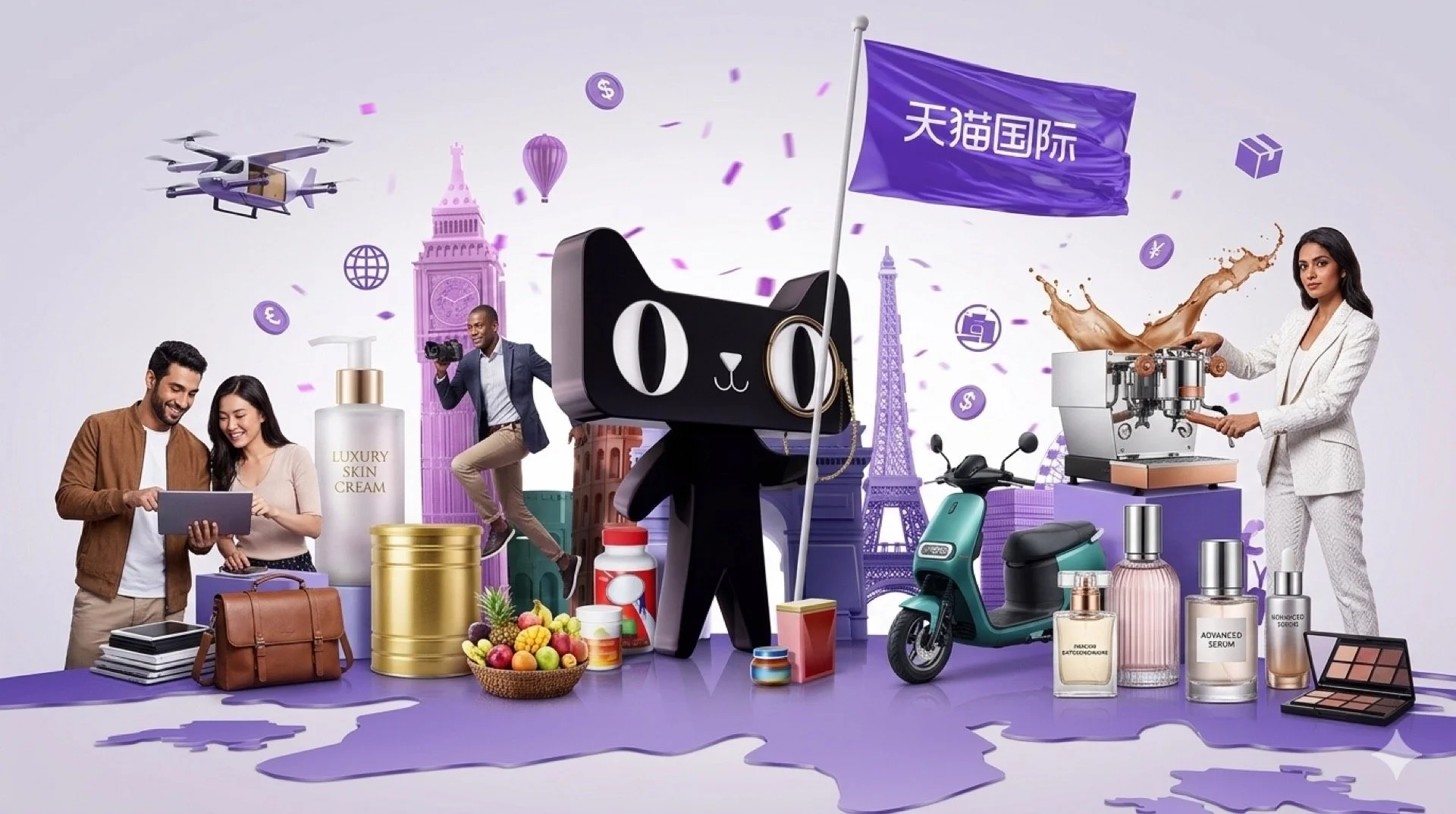
Tmall Global is the primary CBEC platform for imported essential oils, with strong growth in aromatherapy categories.
Xiaohongshu (Little Red Book)
The single most important platform for aromatherapy brands in China. Xiaohongshu is where consumers discover, research, and discuss essential oils and diffusers. High-performing content includes morning and evening routine posts showing aromatherapy integration, "my sleep toolkit" collections featuring oil recommendations, detailed oil comparison posts (therapeutic grade vs. food grade, single vs. blended), and aesthetic home setup content featuring diffusers as design elements.
Brands should seed products with 40–80 lifestyle, wellness, and clean beauty KOCs to build an organic presence before investing in paid promotion. The goal is to generate authentic lifestyle content that positions the product within daily routines, not product reviews.
Tmall Global
The primary sales channel for imported essential oils via CBEC. Successful store design emphasizes botanical origin stories, certification badges, and GC/MS test result accessibility. Starter kits and gift sets generate disproportionately high conversion rates. Participation in 618 and Double 11 through bundle pricing drives meaningful seasonal volume.
Douyin (TikTok) E-Commerce
Short-form video works well for aromatherapy because the sensory experience can be conveyed through visuals and narrative. ASMR-adjacent content — diffuser mist rising, oil drops in water, hands blending formulations — generates high engagement. Sleep routine content featuring aromatherapy is among the most-watched wellness content on Douyin. Build a content library of 20–30 short videos before considering livestream commerce integration.
Brand WeChat accounts and mini-programs are important for repeat purchasers and subscription customers. The aromatherapy category has strong replenishment patterns (diffuser oil users tend to become consistent buyers of specific scents), making WeChat's direct-to-consumer capabilities valuable for building a loyal customer base beyond e-commerce platforms.
Market Entry Roadmap
The following phased approach is designed for foreign essential oil and aromatherapy brands entering China through CBEC, with an option to pursue domestic cosmetic filing in parallel for long-term offline expansion.
A phased CBEC approach lets foreign brands test the market before committing to domestic cosmetic filing.
Pricing and Positioning Strategy
Price positioning is one of the most consequential decisions a foreign essential oil brand makes when entering China. The temptation to compete on price with domestic brands is strong — and almost always a mistake. Chinese consumers buying imported essential oils are paying for origin, purity, and certification. If you strip the price premium, you strip the perceived quality signal.
Most successful foreign essential oil brands on Tmall Global operate at a 1.5–3x price premium over domestic equivalents. This premium is sustained through three pillars:
- Botanical origin storytelling — lavender from Provence, tea tree from New South Wales, peppermint from the Swiss Alps. The more specific and verifiable the origin, the stronger the price justification.
- Certification transparency — organic certification, GC/MS test results accessible via QR code, therapeutic-grade classification. Chinese consumers on Xiaohongshu actively compare certification levels between brands.
- Lifestyle branding — positioning the product as part of a curated self-care ritual rather than a commodity purchase. The most successful brands sell a routine, not a bottle of oil.
Launch Your Aromatherapy Brand in China
Shanghai Jungle helps foreign wellness and personal care brands enter China through Tmall Global, JD Worldwide, and social commerce. From CBEC logistics to Xiaohongshu KOC campaigns, we manage the full launch.
Get in TouchWhat We Handle
- CBEC setup and bonded warehouse logistics
- Tmall Global flagship store build and management
- Product localization and certification content
- Xiaohongshu KOC seeding campaigns
- 618 and Double 11 campaign strategy
Frequently Asked Questions
How big is the essential oils market in China?
China's essential oils market was valued at $529.9 million in 2024 and is projected to reach $1.34 billion by 2033 at a 10.9% CAGR. The broader aromatherapy market is on track to reach $1.29 billion by 2030 at a 12% CAGR — roughly double the global average growth rate. The aromatherapy diffuser sub-market alone was valued at $267.1 million in 2025.
What regulations apply to essential oils imported into China?
Products intended for topical skin application are classified as cosmetics under China's CSAR regulations and require filing with NMPA (1–3 months for general cosmetics). Products sold through CBEC platforms like Tmall Global are classified as personal goods and are exempt from domestic filing requirements. Most foreign brands use CBEC to launch quickly, then pursue domestic filing for offline retail expansion.
Which essential oils sell best in China?
Lavender (sleep and relaxation), peppermint (focus and energy), tea tree (skincare and antimicrobial), eucalyptus (respiratory wellness), and citrus oils (mood and energy) are consistently the top performers. Citrus oils are the fastest-growing specific product segment. Sleep-focused oil blends and diffuser starter kits are the best-performing product formats for new market entrants.
Which platforms are most important for selling essential oils in China?
Tmall Global is the primary sales platform for imported essential oils via CBEC. Xiaohongshu is the most important discovery and brand-building platform. Douyin drives awareness through lifestyle and wellness content. Most successful aromatherapy brands prioritize Xiaohongshu content investment alongside Tmall Global store management, then layer in Douyin and WeChat as they scale.
Can I sell aromatherapy products in China without a Chinese entity?
Yes, through cross-border e-commerce (CBEC). Foreign brands can sell essential oils and aromatherapy products via Tmall Global without establishing a Chinese legal entity, without domestic cosmetic filing, and without Chinese-language physical product labeling at the general trade standard. This is the standard entry path for most foreign wellness brands and can be set up in 6–10 weeks.
What makes a good essential oil marketing strategy in China?
The most effective approach combines Xiaohongshu lifestyle content seeding with a well-structured Tmall Global store. On Xiaohongshu, ritual-based lifestyle content (showing how essential oils fit into daily routines) outperforms product-focused reviews. Certification transparency builds trust. Gift sets generate higher margins and more social sharing than single-product listings.