

The Future of China E-Commerce: Trends to Watch
China’s e-commerce market is projected to exceed $3 trillion in 2026, but the platforms, consumer behaviors, and competitive dynamics driving that growth are changing fast. This guide covers the seven defining trends — from AI-driven personalization and interest-based commerce to social commerce 2.0, cross-border simplification, lower-tier city expansion, brand-owned private domains, and sustainability — with specific actions foreign brands should take to stay ahead.

Advertising in China: Channels, Costs, and Strategy for Foreign Brands
China's advertising landscape runs on platforms Western marketers have never used. This guide breaks down every major channel available to foreign brands — Tmall Zhitongche, Douyin ads, Baidu SEM, WeChat Moments, and Xiaohongshu paid promotion — with realistic cost ranges, targeting capabilities, and best use cases. Includes a budget allocation framework by business stage and the most common mistakes brands make.

China Market Entry Strategy: A Step-by-Step Framework for Foreign Brands
How do foreign brands successfully enter the Chinese market? This step-by-step framework covers every phase of China market entry — market research and competitive analysis, trademark registration and legal setup, platform selection (Tmall Global, JD Worldwide, Douyin), content localization and marketing strategy, launch execution, and post-launch optimization. Includes a 12-month timeline, phase-by-phase budget guidance, common mistakes to avoid, and a readiness assessment checklist.
Do I Need a Chinese Business License to Sell on Tmall Global?
Foreign brands don't need a Chinese business license to sell on Tmall Global. The platform is specifically designed for cross-border e-commerce (CBEC), allowing overseas companies to sell directly to Chinese consumers without a local entity. This guide explains what documents you actually need, the role of a Tmall Partner (TP), and how Tmall Global requirements compare to domestic Tmall.

Douyin vs TikTok: Why They're Completely Different Platforms
Douyin and TikTok are both owned by ByteDance, but they are completely different platforms. This in-depth comparison covers everything foreign brands need to know — algorithm and content distribution differences, e-commerce ecosystem (Douyin's integrated shops vs TikTok Shop), user demographics and behavior, content strategy requirements, livestream commerce, KOL marketing, advertising systems, and what it takes to succeed on each platform.

Selling in China from the United States: Opportunities and Challenges
US-China trade tensions have reshaped the landscape for American brands selling into China — but 95% of surveyed US companies are staying and 75% plan to reinvest in 2026. This guide covers the real opportunities and challenges: tariff implications for cross-border e-commerce, FDA vs NMPA regulatory differences, consumer sentiment toward American products, which categories still thrive, and how to structure a market entry that accounts for geopolitical risk. Honest, practical, and written for brand managers making the call.

Do I Need a TP Agency or Can I Manage Tmall Myself?
Can a foreign brand manage Tmall Global without a TP agency? Technically yes — but the reality involves Mandarin-only backend systems, Chinese-hours customer service, complex advertising tools, and a promotional calendar you've never heard of. This guide breaks down what self-management actually requires, when it works, when it doesn't, and how hybrid models offer a middle ground.

How to Plan a Full-Year China Marketing Calendar: Month by Month
China's marketing calendar runs on a rhythm of traditional festivals, platform-created shopping events, and social media moments that most foreign brands either miss or misjudge. This guide breaks the year into 12 months with specific campaign windows, budget allocation recommendations, content themes, and platform priorities at each stage — from Chinese New Year pre-heat in January through Double 11 peak in November and year-end wrap in December. Includes a planning timeline, budget split framework, and practical guidance for brands selling cross-border on Tmall Global, JD Worldwide, and Douyin.

European Brands in China: Why Premium Positioning Works
Chinese consumers associate European brands with craftsmanship, heritage, and quality — but that halo effect alone won't sell your products. This guide explains how European brands can leverage premium positioning in China through origin storytelling, product page optimization, pricing strategy, and platform selection. Includes country-by-country perception mapping, real brand examples, and a framework for turning "Made in Europe" into a competitive moat.

Monthly Operating Costs for a China E-Commerce Store: Real Breakdown
A detailed month-by-month breakdown of what it actually costs to operate an e-commerce store in China. Covers fixed costs (platform fees, agency retainers, content production), variable costs (advertising, KOL campaigns, logistics), and seasonal spikes around Double 11 and 618. Includes three budget scenarios — entry-level, competitive, and aggressive — with specific line items and benchmarks based on real store operations across Tmall Global and JD Worldwide.
Why 70% of Foreign Brands Fail in China E-Commerce
An estimated 70% of foreign brands that enter China's e-commerce market fail within the first two years. This analysis breaks down the seven most common reasons — from unrealistic revenue expectations and underfunded marketing budgets to distributor dependency, platform rule violations, and zero localization. Each section includes real examples, specific benchmarks, and the operational fixes that separate the brands that survive from the ones that quietly shut down their stores.
Brands That Left China: What Went Wrong and What We Can Learn
A case-by-case analysis of foreign brands that exited the Chinese market — from Dolce & Gabbana's PR crisis and Forever 21's positioning failure to the 2024-2025 wave of retail withdrawals. Each exit reveals a pattern: cultural missteps, under-investment in localization, wrong pricing, or failure to adapt to China's platform-driven ecosystem. Includes the specific lessons brand managers can apply to avoid the same mistakes.

China Market Entry Checklist for Brand Managers
A practical, phase-by-phase China market entry checklist built for brand managers leading their company's expansion into China. Covers 50 action items organized across five stages: market research and validation, legal and IP protection, platform setup, marketing preparation, and launch execution. Includes timelines, responsible parties, and common mistakes at each phase. Built from real market entry projects.

How to Switch Tmall Partners (TPs) Without Disrupting Your Store
Switching Tmall Partners is one of the highest-stakes decisions a foreign brand makes in China. This guide covers the complete TP transition process — from contract review and data handover to store continuity and customer service planning. Includes a 12-week transition timeline, data handover checklist, red flags to watch, and how to ensure zero disruption to your Tmall store during the switch.

Hidden Costs of Selling on Tmall Global Nobody Tells You About
Beyond the deposit, annual fee, and commission, selling on Tmall Global involves a layer of costs that rarely appear in platform documentation or agency proposals. This guide exposes every hidden expense — from Alipay service fees and mandatory promotion minimums to content production costs, return logistics, customer service staffing, annual renewal traps, and the real cost of shipping insurance. Specific numbers included for every line item.

How to evaluate if your China strategy is working?
Most foreign brands in China measure the wrong things. This guide provides a three-stage framework for evaluating your China strategy — Year 1 (foundation and awareness), Year 2 (growth and retention), and Year 3+ (profitability and market share). Includes specific KPIs, benchmarks, a 10-point self-assessment scorecard, and guidance on when to pivot, double down, or exit.

Entering China’s Online Beauty Market: A Practical Guide for Foreign Cosmetics Brands
China’s online beauty market is crowded, complex, and unforgiving. This guide breaks down real consumer behavior, key platforms like Tmall, Xiaohongshu, and Douyin, and a step‑by‑step roadmap so foreign cosmetics brands can enter China with a focused, data‑driven strategy.
Singles’ Day in China: What the 2025 Results Reveal About Today’s Consumer
Learn key sales trends, consumer behavior shifts, inventory deadlines, livestream planning requirements, and what brands must prepare in advance to maximize visibility, conversion, and cross-border growth for 11-11.
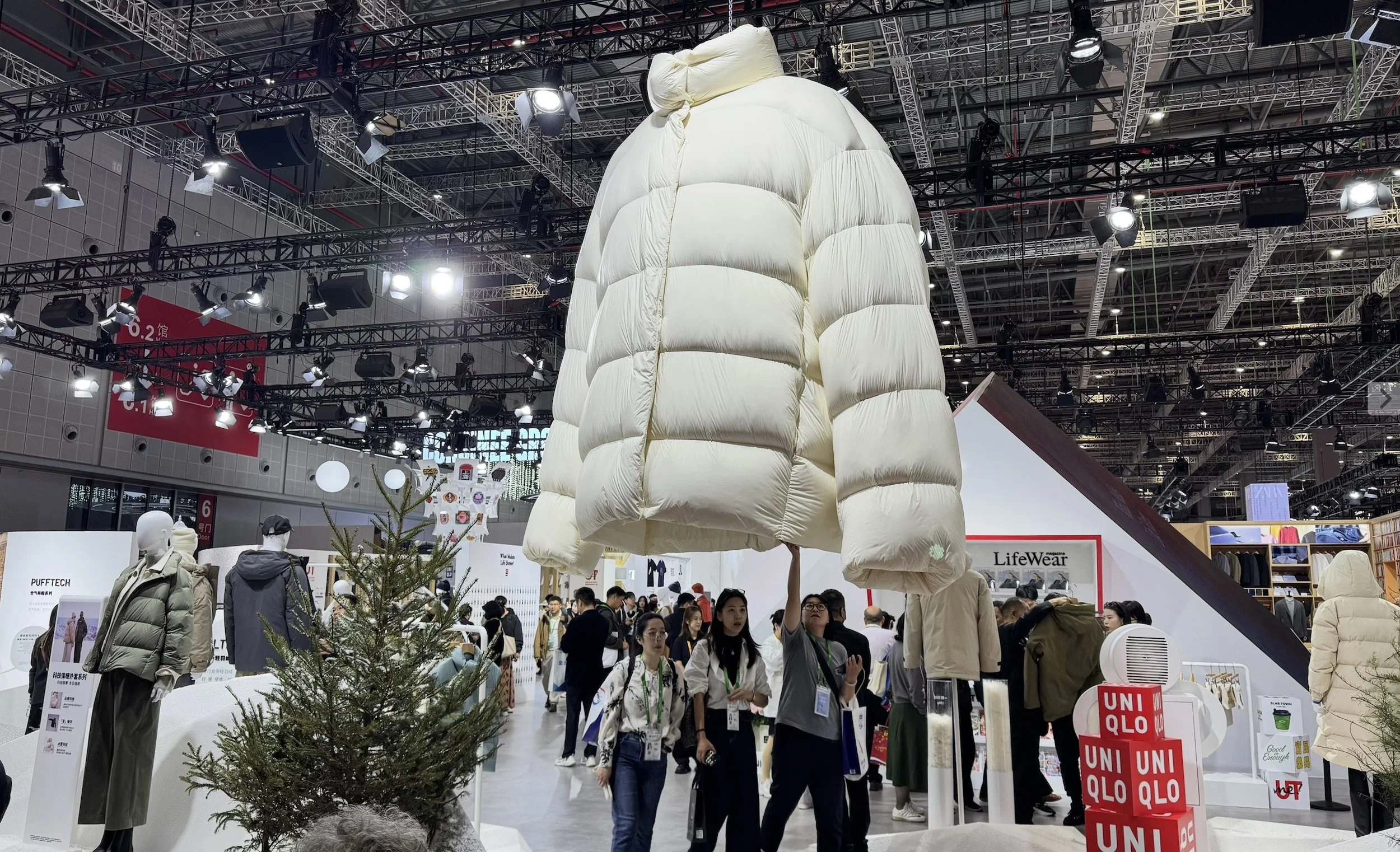
How Western Brands Use CIIE 2025 and How to Secure Your Spot for CIIE 2026
A clear guide to CIIE 2025 and how brands can join CIIE 2026. Learn how Western companies use the expo to test demand, meet real distributors, and show commitment to the China market.

Arabian Oud China Market Entry
How we became Arabian Oud's China partner — developing a full market-entry strategy across trademark registration, e-commerce, social media, and offline retail to build a structured China presence from scratch.