Selling Jewelry in China: Platforms, Regulations, and Consumer Preferences
Selling Jewelry in China: Platforms, Regulations, and Consumer Preferences
Why Jewelry Is Booming in China
China is the world's largest jewelry market by consumer spending, and the category shows no signs of slowing down. The market was valued at roughly $90 billion in 2024 and is projected to reach $144.8 billion by 2034, growing at a compound annual rate of around 5.5%.
Several forces are driving this. Gold prices have surged globally, and Chinese consumers have responded not by pulling back but by buying more — treating gold jewelry as both a fashion statement and a store of value. A 2024 survey found that 61% of Chinese consumers now wear pure gold jewelry as daily accessories, a shift from the days when gold was reserved for weddings and special occasions.
At the same time, younger consumers are redefining what jewelry means. Gen Z and millennial buyers are drawn to designer pieces, niche independent brands, and jewelry that carries a story. The secondhand luxury market grew 15–20% in 2025, with jewelry among the top traded categories — a sign that consumers increasingly view fine jewelry as investment-grade assets, not just adornment.
Market Size and Category Breakdown
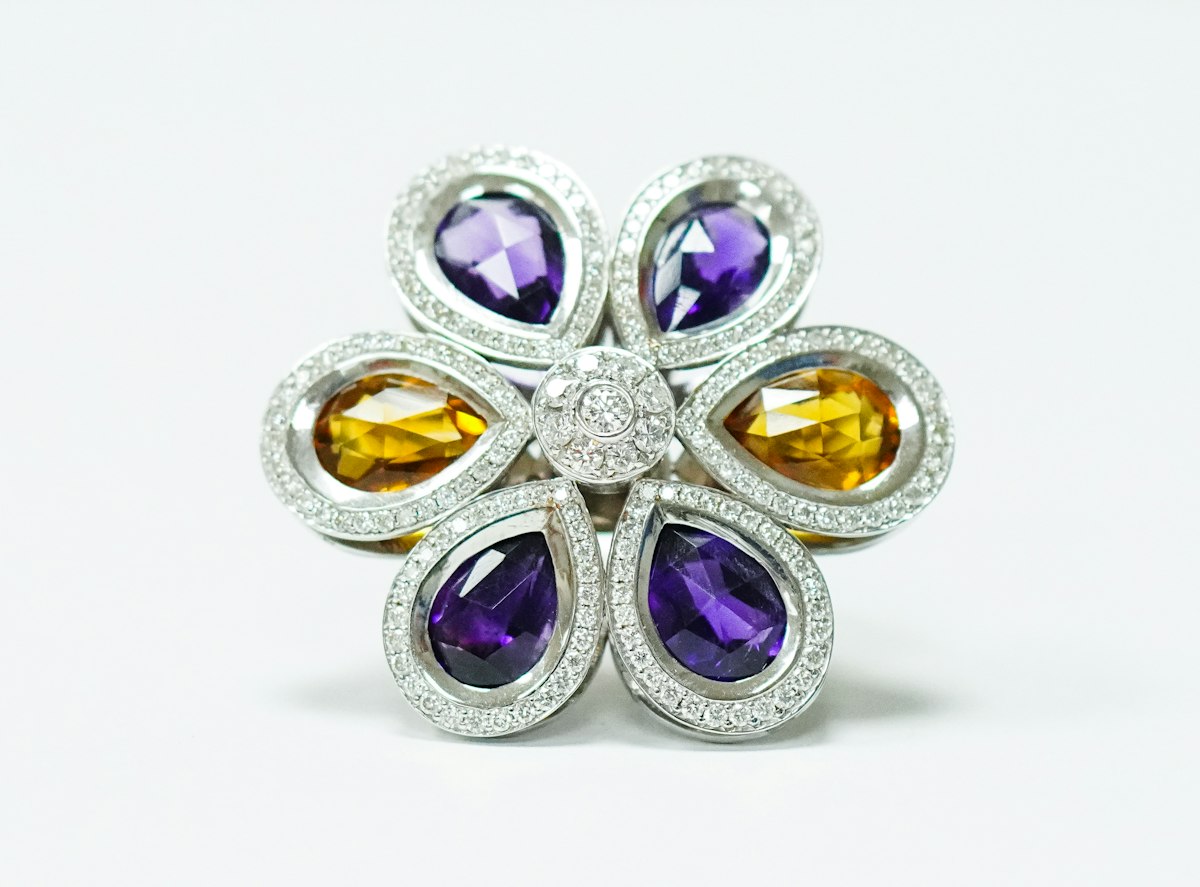
Gold dominates China's jewelry market by a wide margin. Rings are the most popular product type, followed by necklaces and bracelets. Diamonds remain the leading gemstone, though lab-grown diamonds are gaining traction in the mid-market — 74% of Chinese consumers still regard natural diamonds as more valuable, but the gap is narrowing among younger, price-conscious buyers.
| Segment | Dynamics | Foreign Brand Opportunity |
|---|---|---|
| Gold jewelry | "Gold fever" trend; daily wear normalizing; investment appeal | Moderate — dominated by local brands (Chow Tai Fook, Lao Feng Xiang) |
| Diamond jewelry | Natural diamonds still preferred; bridal market strong | High — foreign brands carry prestige and craftsmanship credibility |
| Designer / fine jewelry | Rising demand from affluent millennials; niche and indie brands growing | Very high — this is where foreign brands differentiate most |
| Jade and cultural pieces | 91% of consumers want heritage elements; jade remains deeply symbolic | Low for pure jade — but heritage-inspired design is an angle |
| Fashion / costume jewelry | High volume, low margin; driven by social media trends | Moderate — Douyin and Little Red Book (Xiaohongshu) are key channels |
For foreign brands, the clearest whitespace is in designer and fine jewelry — segments where craftsmanship storytelling, brand heritage, and differentiated design matter more than raw material value. Competing head-to-head with domestic gold brands is rarely a winning strategy.
Consumer Preferences and Cultural Context
Understanding what Chinese consumers actually want from jewelry — and why — is essential for any foreign brand entering this market.
Gold as Identity
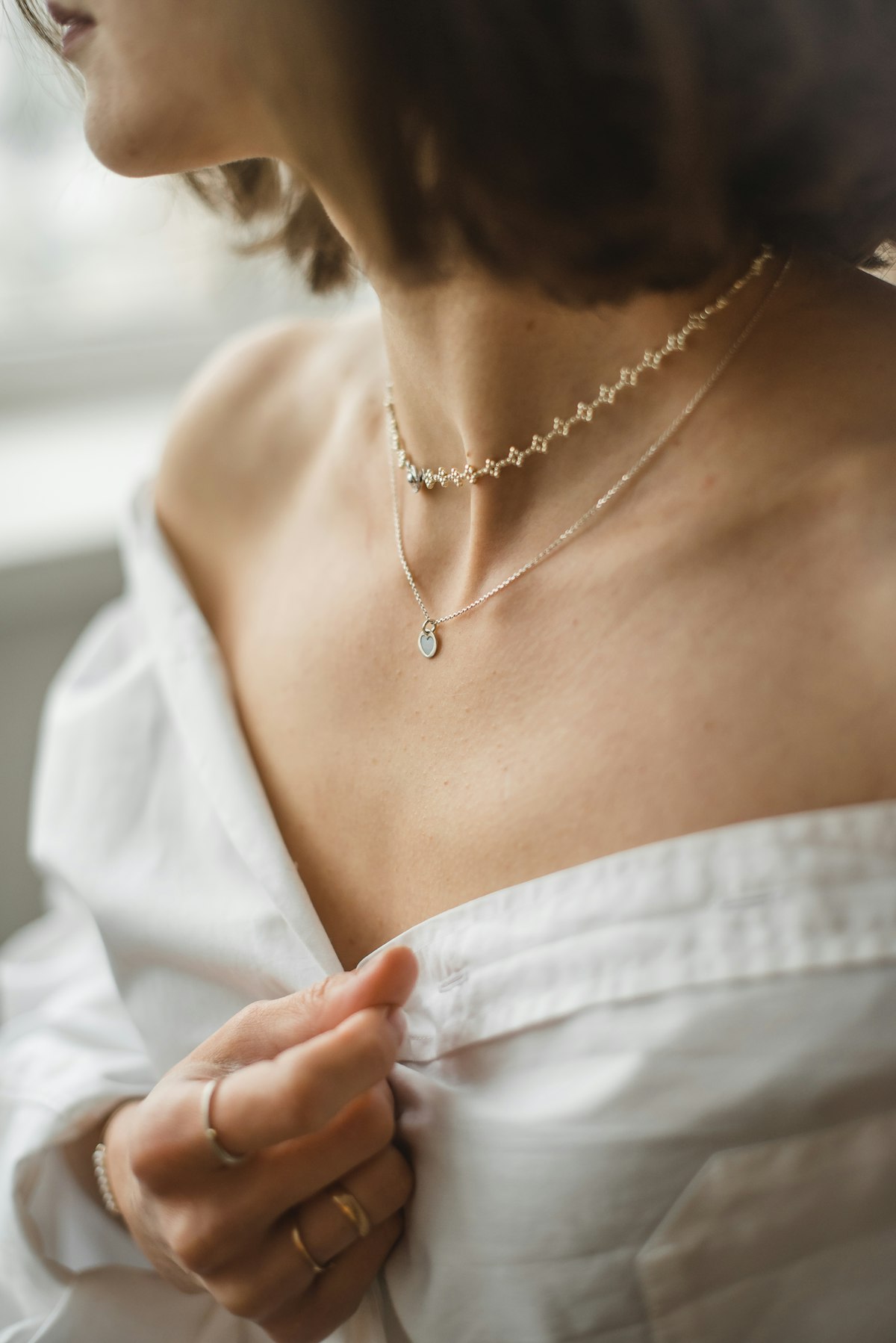
Gold is not just a preference; it is a cultural institution. Chinese consumers buy gold for weddings, births, Chinese New Year, and increasingly as everyday personal expression. The normalization of gold as daily-wear jewelry has expanded the addressable market significantly. Young women in Shanghai or Chengdu pair gold bangles with streetwear without thinking twice about it.
Heritage and Cultural Resonance
A 2024 survey found that 91% of Chinese consumers are likely to purchase jewelry featuring Chinese cultural heritage elements. This does not mean slapping a dragon motif on a pendant. It means understanding the deeper symbolism — jade for virtue, peony for prosperity, the lotus for purity — and incorporating these thoughtfully. Local brands like Chow Tai Fook and emerging players like Borland (Baolan) have excelled here by blending traditional craftsmanship with modern aesthetics.
Gifting Occasions
Jewelry purchasing in China is heavily occasion-driven. The biggest gifting moments include:
- Weddings — gold sets (necklace, bracelet, ring, earrings) are expected from the groom's family in many regions
- Chinese New Year — gold accessories and jade pendants are popular gifts, especially for children
- 520 (May 20) — China's unofficial Valentine's Day, a major moment for diamond and designer jewelry
- Qixi Festival — the traditional Valentine's equivalent, growing in commercial importance
- Birthdays and anniversaries — fine jewelry positioned as milestone markers
Investment Mindset
A growing segment of consumers — particularly post-pandemic — views jewelry as an asset class. The growth of the secondhand luxury market (up 15–20% in 2025) reflects this shift. Brands that can credibly communicate long-term value, resale potential, and material authenticity are well-positioned to capture these buyers.
Regulations and Certification: What Foreign Brands Must Know
Jewelry is one of the more heavily regulated product categories in China, particularly for precious metals and gemstones. The requirements differ significantly depending on whether you enter through general trade or cross-border e-commerce (CBEC).
Precious Metals Certification
China requires that precious metals sold domestically comply with national standards (GB 11887) for purity and labeling. All gold, silver, and platinum jewelry must carry hallmarks indicating the metal type, purity, and manufacturer. For general trade imports, this means your products must be tested and hallmarked by a recognized Chinese assay office before sale.
Gemstone Standards
Gemstones are subject to the national standard GB/T 16552 for naming and GB/T 16553 for identification. Diamonds, in particular, require grading certificates. While international certificates from GIA, HRD, or IGI are widely recognized by consumers, Chinese retailers and platforms may also require a domestic certificate from the NGTC (National Gemstone Testing Center).
CBEC Exemptions
One of the key advantages of CBEC for jewelry is that products sold through bonded warehouse channels are classified as personal imports, which means many of the domestic certification requirements are relaxed. You do not need a Chinese hallmark for CBEC jewelry. However, product listings must still accurately describe materials, purity, and origin.
General Trade vs. CBEC: The Tax Advantage for Jewelry
Taxation is where the business case for CBEC in jewelry becomes compelling. Jewelry is one of the categories where the tax difference between general trade and cross-border e-commerce is most dramatic.

| Tax Component | General Trade | CBEC |
|---|---|---|
| Import duty | 8–35% (varies by material and category) | 0% (waived under CBEC positive list) |
| VAT | 13% | 9.1% (70% of standard rate) |
| Consumption tax | 5–10% (applies to precious metals and gemstones at retail) | 0% (waived for most CBEC jewelry) |
| Total effective tax | 30%+ in most cases | ~9.1% consolidated tax |
A critical distinction: the CBEC consolidated tax of ~9.1% applies to the retail sales price, while general trade taxes apply to the import price (wholesale/CIF value). These tax bases are different, so the headline rates cannot be directly compared without adjusting for the markup between import and retail pricing. Even so, the CBEC route is substantially cheaper for the vast majority of jewelry products.
The consumption tax is the hidden cost that catches many brands off guard. In general trade, jewelry — particularly gold, platinum, and diamond pieces — is subject to a consumption tax at the retail level on top of import duties and VAT. Through CBEC, this consumption tax is effectively eliminated.
For a brand selling a necklace that retails at 3,000 RMB, the tax difference between general trade and CBEC can amount to 600–800 RMB per unit. At scale, this is the difference between competitive pricing and being priced out of the market.
The 5,000 RMB Per-Transaction Limit
There is a catch. CBEC operates under a per-transaction cap of 5,000 RMB (approximately $690 USD) and an annual per-person cap of 26,000 RMB. For most consumer goods, this is not a problem. For fine jewelry, it is a real constraint.
A single diamond ring or gold necklace can easily exceed 5,000 RMB. When the transaction value exceeds this threshold, the order is taxed at the full general trade rate — eliminating the CBEC advantage entirely.
How Brands Work Around This
- Curated entry-level collections: Many foreign jewelry brands create China-specific SKUs or collections priced to stay within the 5,000 RMB window. Sterling silver, vermeil, and semi-precious gemstone lines work well here.
- Accessory-first strategy: Launch with earrings, pendants, and bracelets that naturally fall under the threshold, then upsell to higher-value pieces once the brand has established recognition.
- Split fulfillment: Use CBEC for products under 5,000 RMB and general trade (or Hainan duty-free) for high-value items. This adds operational complexity but optimizes tax exposure across the full product range.
- Gift sets and bundles: Package multiple smaller items into gifting sets priced just under the cap — particularly effective around 520, Qixi, and Chinese New Year.
Platform Strategy: Where to Sell Jewelry in China
Jewelry in China is sold across a more fragmented set of platforms than most consumer categories. The right platform depends on your brand positioning, price point, and how much you are willing to invest in content and live commerce.

Tmall Luxury Pavilion
Tmall Luxury Pavilion is the gold standard for premium and luxury jewelry. It offers a curated, invitation-only environment with high-end brand pages, VIP customer experiences, and integration with Alibaba's consumer data. If your brand positions itself as fine jewelry or luxury, this is the platform. Tiffany, Cartier, and Bvlgari all have Pavilion flagships. As an official Tmall Partner, Shanghai Jungle can help foreign brands navigate the Pavilion application and onboarding process.
Tmall Global
For brands that are not yet at the luxury tier or are testing the market, Tmall Global offers a strong CBEC infrastructure with bonded warehouse fulfillment. It is the most common entry point for foreign jewelry brands in the accessible luxury and contemporary fine jewelry segments.
JD Luxury
JD's luxury vertical is smaller than Tmall's but offers strong logistics (JD's self-operated fulfillment network is among the best in China) and a consumer base that skews slightly more male. JD is particularly strong for watches and fine jewelry gifting around holidays.
Douyin (TikTok China)
Douyin has become a powerhouse for jewelry sales, driven almost entirely by livestream commerce. Jewelry boutiques across China now livestream nightly, showcasing pieces in real time, answering questions, and closing sales on the spot. For foreign brands willing to invest in live commerce, Douyin offers extraordinary reach — but it demands a content-first approach.
Little Red Book (Xiaohongshu)
Little Red Book (Xiaohongshu) is the discovery platform for jewelry in China. It is where consumers research brands, compare styles, and seek recommendations before purchasing elsewhere. A strong presence — through organic content, KOL partnerships, and community engagement — is essential for brand building, even if the platform drives less direct transaction volume than Tmall or Douyin.
| Platform | Best For | CBEC Support | Content Investment |
|---|---|---|---|
| Tmall Luxury Pavilion | Luxury and fine jewelry | Yes (via Tmall Global) | High (brand storytelling) |
| Tmall Global | Accessible luxury, CBEC entry | Yes | Medium |
| JD Luxury | Gifting, watches, male consumers | Yes (JD Worldwide) | Medium |
| Douyin | Livestream-first jewelry sales | Yes (Douyin Global) | Very high (daily content) |
| Little Red Book (Xiaohongshu) | Discovery, brand building, reviews | Limited | High (community-driven) |
Livestream Commerce: The Jewelry Game-Changer
If there is one channel that has fundamentally reshaped how jewelry is sold in China, it is livestream commerce. In 2023, China's livestream e-commerce market surpassed RMB 5 trillion (approximately $700 billion), and live commerce now accounts for roughly 20% of all online retail in the country.

Jewelry is one of the categories where livestreaming works best. The product is visual, tactile curiosity is high, and trust is a major purchase barrier — all of which livestreaming addresses directly. Hosts can show pieces from multiple angles, demonstrate how they catch the light, discuss craftsmanship details, and answer questions in real time.
In Shanghai and Shenzhen, jewelry boutiques routinely stream after store hours, turning their display cases into content studios. For foreign brands, the implication is clear — if you are not planning for live commerce as a core sales channel, you are planning for a smaller share of the market.
What Makes Jewelry Livestreaming Work
- Trust building: Consumers can see the actual product, not just a photo. For gemstones and precious metals, this transparency dramatically reduces purchase anxiety.
- Urgency and exclusivity: Livestream-exclusive pricing, limited drops, and real-time scarcity drive conversion rates far above standard e-commerce.
- Education as selling: The best jewelry livestreamers teach — explaining carat weight, cut quality, metal purity, and design heritage. Consumers who learn on stream become loyal customers.
- Gifting prompts: Livestreamers are skilled at positioning pieces for upcoming occasions, turning a browsing session into a gifting decision.
Marketing, Discovery, and Brand Building
Jewelry is a high-trust, high-consideration category. Consumers rarely buy fine jewelry impulsively — they research, compare, and seek validation before committing. Your marketing strategy needs to meet them at every stage of this journey.
Little Red Book (Xiaohongshu) as the Starting Point
For jewelry, Little Red Book (Xiaohongshu) functions as both a search engine and a social proof platform. Consumers search for specific styles ("minimalist gold earrings"), occasions ("engagement ring under 10,000 RMB"), and brand comparisons. Building a library of high-quality, authentic content on Little Red Book (Xiaohongshu) is non-negotiable for any serious jewelry brand.
KOL and KOC Strategy
Jewelry benefits from a mix of KOL (key opinion leader) and KOC (key opinion consumer) content. Top-tier KOLs drive awareness and aspirational positioning. KOCs — real consumers sharing unboxing videos, styling tips, and honest reviews — drive trust and conversion. A well-designed seeding campaign that places your products with 50–100 KOCs can generate the organic buzz that no paid campaign can replicate.
Storytelling and Heritage
Chinese consumers respond strongly to brand stories — where the jewelry is designed, who the artisans are, what traditions inform the craft. This is especially true for foreign brands, where the perceived value is tied to origin and craftsmanship. A Scandinavian brand with a clear design philosophy, an Italian house with generations of goldsmithing heritage, or a New York studio with a contemporary edge — each of these stories resonates differently, but they all resonate.
Content Formats That Work
- Styling guides: "How to layer gold necklaces for summer" — practical, visual, shareable
- Behind-the-scenes: Workshop footage, material sourcing stories, artisan profiles
- Occasion-specific: "Best engagement rings under 8,000 RMB" — directly tied to search intent
- Comparison content: "Lab-grown vs. natural diamonds: what Chinese consumers should know"
- Gifting guides: Seasonal guides aligned with 520, Qixi, Chinese New Year, and wedding season
Building a Jewelry Brand for the Long Term in China
China's jewelry market rewards patience and consistency. The brands that succeed long-term are the ones that treat China as a strategic market — not a quick revenue grab.
Start with a focused assortment. Do not launch your entire global catalog in China. Curate a collection that fits CBEC price constraints, resonates with local gifting culture, and gives you a clear brand story to tell. You can always expand later.
Invest in content before performance marketing. In jewelry, brand perception determines pricing power. A strong Little Red Book (Xiaohongshu) presence, a compelling Tmall storefront, and consistent livestream activity build the foundation that paid traffic can then amplify. Skipping this step and going straight to performance ads leads to high customer acquisition costs and no repeat business.
Understand the competitive landscape. Local brands like Chow Tai Fook, Lao Feng Xiang, and Chow Sang Sang dominate the gold segment with deep distribution and cultural authority. Emerging Chinese designer brands are capturing the contemporary fine jewelry space. Foreign brands need to be clear about where they fit — and where they don't try to compete.
Plan for regulatory evolution. China's regulatory environment for jewelry is tightening, not loosening. Certification requirements, consumer protection laws, and platform compliance standards are all trending toward greater stringency. Building compliance into your operations from the beginning is far cheaper than retrofitting later.
Think in years, not quarters. The most successful foreign jewelry brands in China took two to three years to build meaningful traction. They invested in relationships — with platforms, with KOLs, with consumers — and they stayed consistent through the inevitable slow periods. If your China jewelry strategy is built on a 12-month ROI expectation, you may want to recalibrate.
Frequently Asked Questions
Can I sell jewelry in China through cross-border e-commerce?
Yes. Jewelry is on China's CBEC positive list, which means foreign brands can sell through bonded warehouse channels on platforms like Tmall Global, JD Worldwide, and Douyin Global. CBEC offers significant tax advantages — a consolidated rate of approximately 9.1% of the retail price, compared to 30%+ through general trade.
Do I need Chinese hallmarks for jewelry sold through CBEC?
No. Products sold through CBEC are classified as personal imports, so domestic hallmarking requirements are relaxed. However, your product listings must accurately describe materials, purity, and origin. Misrepresentation carries severe penalties on Chinese platforms.
What is the per-transaction limit for CBEC jewelry?
The CBEC per-transaction cap is 5,000 RMB (approximately $690 USD), with an annual per-person limit of 26,000 RMB. Orders exceeding 5,000 RMB are taxed at full general trade rates. Many brands design China-specific collections priced to stay within this window.
Which platform is best for selling jewelry in China?
It depends on your positioning. Tmall Luxury Pavilion is ideal for luxury and fine jewelry. Tmall Global is the most common CBEC entry point for accessible luxury brands. Douyin is the leading channel for livestream-driven jewelry sales. Little Red Book (Xiaohongshu) is essential for brand discovery and consumer research.
How important is livestreaming for selling jewelry in China?
Very important. Livestream e-commerce surpassed RMB 5 trillion in 2023, and jewelry is one of the top-performing livestream categories. The format builds trust, demonstrates product quality in real time, and drives high conversion rates — particularly for mid-range and fine jewelry.
Ready to Sell Jewelry in China?
Shanghai Jungle helps foreign jewelry brands navigate every step — from CBEC setup and platform onboarding to content strategy and KOL partnerships.
- CBEC tax optimization and fulfillment setup
- Tmall, JD, and Douyin store launch and management
- KOL seeding and livestream commerce strategy