
China Market Entry
For Foreign Brands
We are a European agency based in Shanghai and a Tmall Partner. We set up and run Tmall, JD and Douyin stores, social media and influencer campaigns, and the day-to-day operations in China for foreign brands.
Book a call








Why brands work with us
European management with a Chinese team in Shanghai. You talk to us in your language, and our team does the work in China.
In Shanghai since 2013
We started in Shanghai in 2013. Since then we have worked through many changes in China’s platforms, regulations and consumer trends.
Tmall Partner
Alibaba has authorized us to set up and run Tmall and Tmall Global stores. As a Tmall Partner we get direct platform support and tools that only Tmall Partners can use.
European-owned, Shanghai-run
Your contact person is European and knows how your company works. Our Chinese team in Shanghai runs the daily operations.
What we do
Setting up in China
We take care of trademark registration, company setup (WFOE or cross-border), product certification and import planning. Your brand and your supply chain stay under your control.
Every project starts with an assessment of product-market fit, entry model, timeline and budget.
Running your online stores
As a Tmall Partner, we build and run your stores on Tmall, JD, Douyin and Little Red Book (Xiaohongshu). Our Shanghai team handles store design, product listings, daily operations, customer service, ad campaigns and fulfillment.
We run stores for brands in health supplements, cosmetics, fragrance, consumer goods, pet care, outdoor sports and more.
Running your local operations
We handle warehousing, import logistics, product certification, trade show representation, printing and bookkeeping. You can get things done in China without your own local entity.
For brands with a WFOE, we also manage accounting, tax filings, bank operations, staff and the daily coordination with your headquarters.
How we work
The 4 steps from the first call to running operations in China.
Discovery Call
We look at your product, category, competitors and how ready you are for the China market.
Market Assessment
Entry model, platform selection, budget projection and timeline.
Setup & Launch
Trademark filing, entity registration, store build, content creation and store launch.
Ongoing Operations
Daily store management, social media, influencer campaigns, logistics and reporting.
Industries
We work with brands in these categories. Each one has its own rules for registration, logistics and marketing in China.
Explore all industriesCosmetics & Skincare
NMPA registration, Tmall flagships, KOL seeding
Fragrance
Cross-border sales, niche positioning, content
Health Supplements
CBEC, health claims compliance
Pet Care
Tmall & JD, livestream commerce
Mother & Baby
KOC seeding, community building, content that builds trust
Outdoor & Sports
Niche D2C, WeChat CRM, trade shows, distributor management
Consumer Goods
Multi-platform launch, online and offline, B2B distribution


“Shanghai Jungle gave us a complete operational base in China, from entity setup to live Tmall sales in under 6 months. One team, no middlemen, full transparency.”

Results
Examples from brands we work with. We keep client names private.
How we compare
Brands entering China usually work with a consulting firm, a local distributor, a marketing agency or their own team. This is what each option covers.
| Capability | Shanghai Jungle | Consulting Firms | Distributors | Marketing Agencies | In-House Team |
|---|---|---|---|---|---|
| E-commerce store operations | ✓ | × | Sometimes | Limited | ✓ |
| Tmall Partner (TP) | ✓ | × | × | ✓ | × |
| Social media management | ✓ | × | Limited | ✓ | ✓ |
| Influencer marketing (KOL/KOC) | ✓ | × | Limited | ✓ | Limited |
| Import & logistics | ✓ | × | ✓ | × | ✓ |
| Warehouse operations | ✓ | × | ✓ | × | ✓ |
| Accounting & compliance | ✓ | Advisory only | Internal only | × | ✓ |
| Trademark & IP protection | ✓ | Advisory only | × | × | Via lawyers |
| Customer service (Mandarin) | ✓ | × | Sometimes | × | ✓ |
| Content creation (Chinese) | ✓ | × | Limited | ✓ | Limited |
| Brand keeps full control | ✓ | ✓ | × | ✓ | ✓ |
| Cost to get started | Medium | Very high | Low | Medium | Very high |
Case studies
Projects for clients, from WFOE setup to cross-border e-commerce.

BMW Group
Consulting, social media marketing and PR on Chinese media platforms, incl. China Daily.
Read case study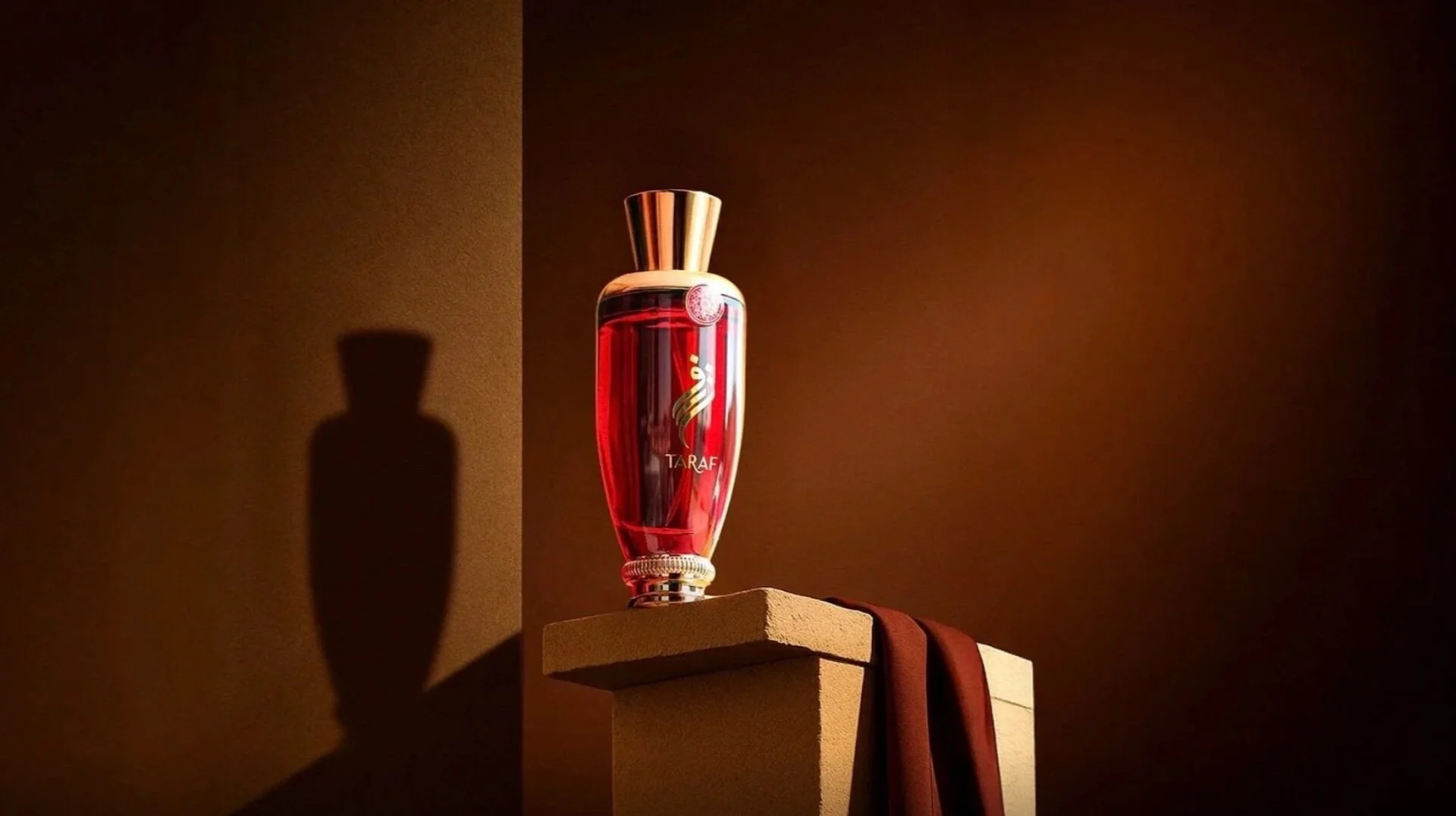
Arabian Oud
Tmall Global flagship store, Little Red Book (Xiaohongshu), influencer program and bonded warehouse logistics for a Middle Eastern fragrance brand.
Read case study
LVMH
PR platform development and video production for LVMH brands in China.
Read case studyQuestions about entering China
Answers to the questions brands ask us most often.
Not necessarily. Cross-border e-commerce (CBEC) lets you sell into China via platforms like Tmall Global and JD Worldwide without a WFOE. Products ship from bonded warehouses. It’s a lower-risk first step, and you can set up a local entity later as sales grow.
For cross-border (Tmall Global), it usually takes 2 to 4 months from contract to live store, incl. trademark registration, store application, product listings and design. As a Tmall Partner, we take care of the store application. A domestic Tmall store with a WFOE takes longer because of the entity setup, usually 4 to 6 months in total.
Costs depend on the entry model and the category. A cross-border Tmall Global store has lower upfront costs (platform deposits, setup fees, monthly operations). A WFOE with a domestic Tmall store adds entity registration, import licensing and compliance. You get a detailed budget projection as part of the market assessment.
Yes, and we often recommend it. Start cross-border to test product-market fit, build your first sales data and learn how the platforms work. Once your volumes are high enough, move to a local entity for better margins, more platforms and offline distribution.
It depends on your category, price point and target consumer. Tmall is the main platform for sales. Douyin and Little Red Book (Xiaohongshu) drive discovery and content commerce. JD is strong for electronics and FMCG. PDD is for low-priced products. We recommend a platform mix that fits your situation.
Insights & Guides
Read all →Tmall Costs Explained
All Tmall fees, deposits and running costs for foreign brands entering China.
China Market Entry Checklist
Guides, checklists, entry models, platform breakdowns and industry insights for foreign brands entering China.
How to Sell Supplements on Tmall Global
A step-by-step cross-border guide for foreign supplement brands, from product eligibility to bonded warehouse logistics.
How to Set Up a Tmall Store
The full process from application to first sale: documents, timelines, costs and common pitfalls.
Health Supplement Regulations in China
Blue Hat registration vs. cross-border e-commerce. What each path requires, what it costs and which one works for foreign supplement brands.
Platforms
View all →Guide to Chinese Digital Platforms
An overview of the major platforms in China, what each one does, who uses it and how foreign brands can use them.
What Is Tmall?
China’s premium B2C marketplace. How it works, Tmall vs. Tmall Global, and what foreign brands need to get started.
What Is JD.com?
China’s logistics-first marketplace. How JD compares to Tmall, its self-operated model and JD Worldwide for cross-border sellers.
Little Red Book Marketing
How to use Little Red Book (Xiaohongshu) for brand building: content strategy, KOL partnerships and organic growth.
WeChat for Foreign Brands
Official Accounts, Mini Programs, WeChat Pay and CRM. How foreign brands use WeChat for marketing and sales.
Douyin Marketing
China’s version of TikTok. Short video strategy, Douyin e-commerce, livestream selling and paid advertising.
Weibo Marketing
China’s public social media platform. Content formats, advertising options and when it makes sense for foreign brands.
Talk to us about China
Tell us what you sell and where you are with China. We will tell you what makes sense for your brand.