
About Shanghai Jungle
We are a European agency based in Shanghai since 2013 and a Tmall Partner. We help foreign brands enter China and run their business there.
Our mission
We help foreign brands sell in China: company setup, Tmall and other online stores, social media, influencers, logistics and compliance. Our team in Shanghai does the work, and you get the reports in English.
Book a callWhat we do
We run your China business day to day.
E-Commerce Operations
Store setup, product listings, daily management, customer service and promotions on Tmall, Tmall Global, JD and Douyin.
Social Media & Content
Content written in Chinese and published on WeChat, Little Red Book (Xiaohongshu), Douyin and Weibo, plus strategy, copywriting and community management.
Influencer & KOL Marketing
KOL and KOC sourcing, campaign planning, seeding and performance tracking on Little Red Book, Douyin and Weibo.
Import, Logistics & Compliance
Cross-border and general trade import, bonded warehouse management, NMPA registration and product compliance.
Trademark & IP Protection
China trademark filing, monitoring, and enforcement. First-to-file protection before market entry.
Localization & Design
Product naming, packaging adaptation, store design, campaign visuals and video production for the Chinese market.
Our story
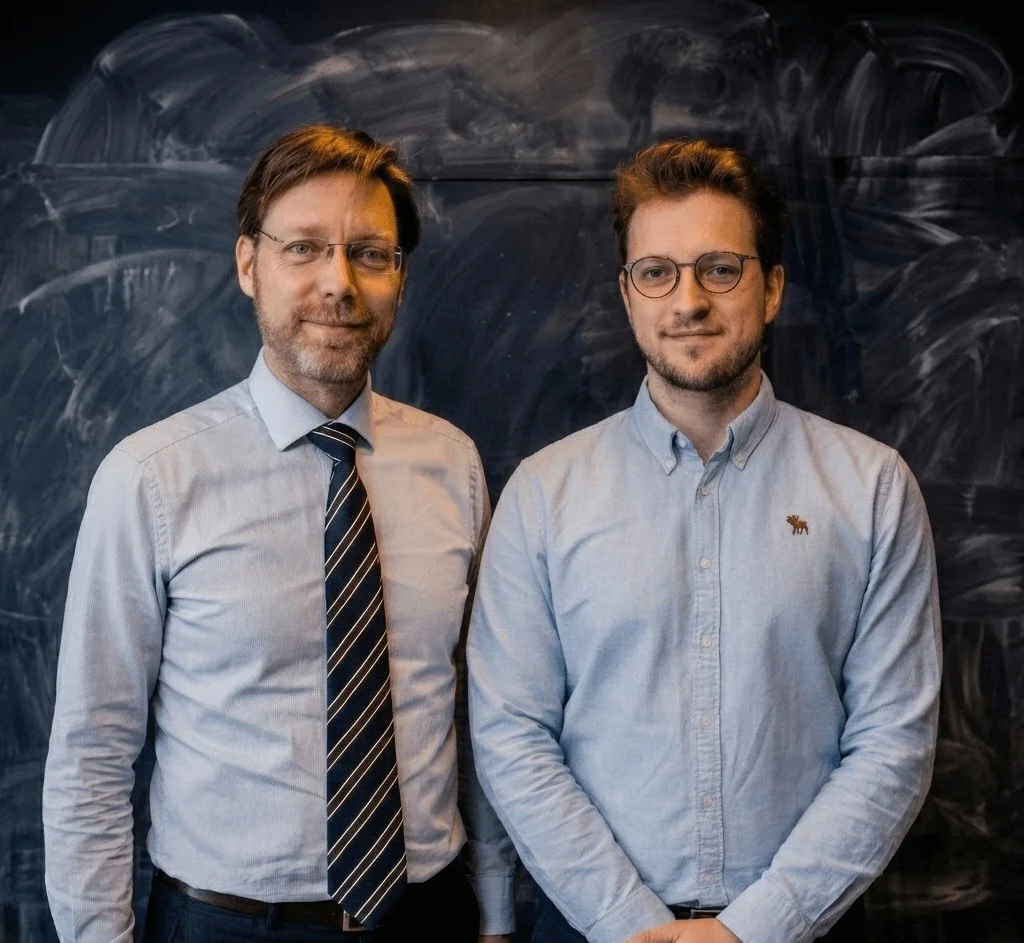

Marek Matura & Alexander Schultz
We started Shanghai Jungle in 2013 because no single partner offered foreign brands everything they needed in China.
Brands had to work with separate vendors for e-commerce, social media, logistics, compliance, content and reporting. We wanted to offer all of it from one team, with full transparency on spending and results.
We started with e-commerce. Today we run stores, manage social media channels, coordinate logistics, handle compliance, create content and report back to clients in English.
Shanghai Jungle in numbers
Brands we have worked with
Luxury, automotive, payments, fragrance, footwear and outdoor sports.
The third option nobody else built
Western consultancies do strategy. Chinese agencies do execution. We built one company that does both.
Chinese Agency
Fast on the ground. But when things break, communication breaks down first.
- ✓ Local execution speed
- × Opaque reporting
- × Communication gaps
- × Unclear financials
European ownership. Chinese team.
A European point of contact who understands your needs. A Chinese team who runs everything on the ground.
- ✓ Local execution speed
- ✓ Clear English reporting
- ✓ Full financial transparency
- ✓ Western accountability
Western Consultancy
Great strategy decks. But someone else still has to execute.
- ✓ Clear communication
- ✓ Good strategy
- × No execution
- × Very expensive
Our team
The people who work on your account, in Shanghai and in Europe.

Marek Matura
12+ years in China, previously in corporate strategy at a Fortune 50 company. Splits his time between Europe and Shanghai and oversees client strategy and project delivery.
LinkedIn →
Alexander Schultz
Former Danish diplomat in China. Years of helping Nordic brands navigate the Chinese market before starting Shanghai Jungle.

Nora Liu
Runs campaigns on Tmall, WeChat, Little Red Book (Xiaohongshu) and Douyin.

Noemi Zhang
Writes and publishes Chinese content for WeChat, Little Red Book, Douyin and Weibo.

Kentro Gui
Runs the daily e-commerce operations: store management, inventory, customer service and fulfillment.
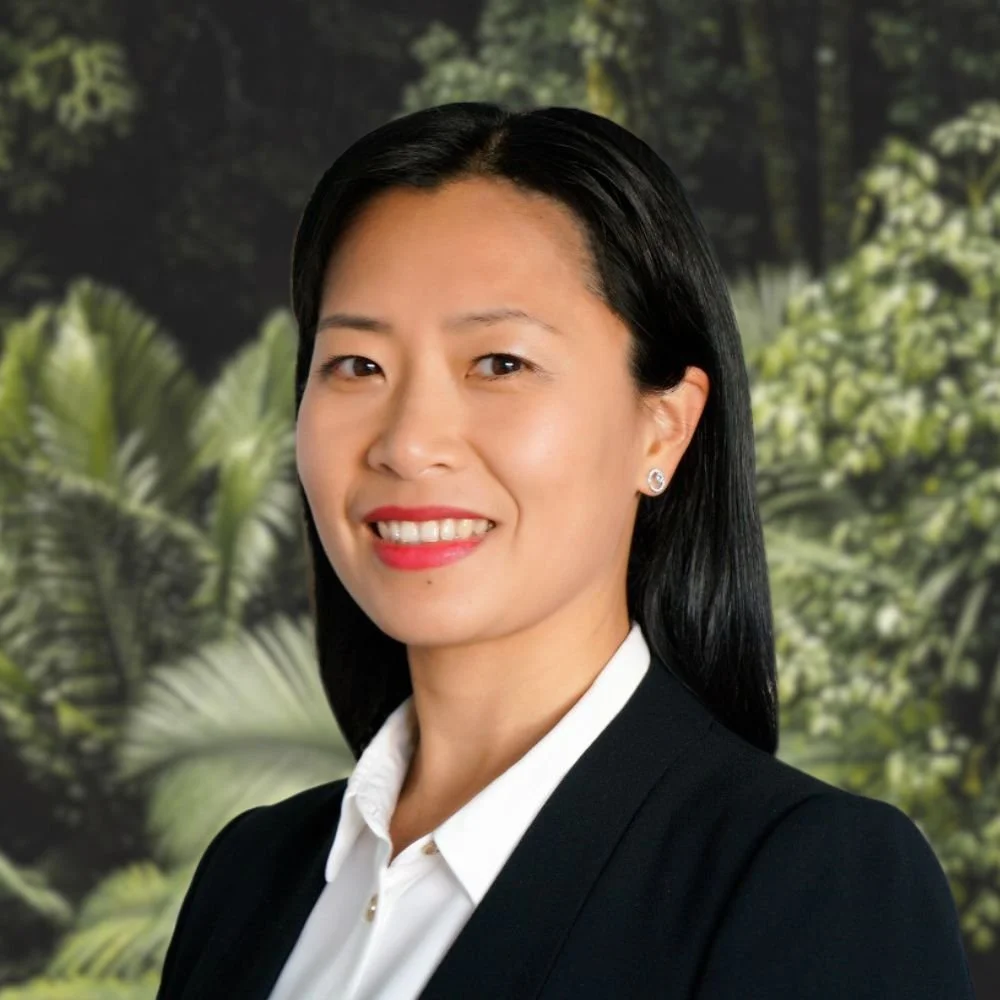
Fangxin Lin
Manages client relationships across Europe and bridges brand teams with Shanghai operations.

Boris Kuznetsov
Works with prospective clients on market entry planning across European and Asian business cultures.
How we work
Most brands go from the first call to a live store in under 4 months, whether they are new to China or fixing a setup that isn’t working.
“We want to enter China but don’t know where to start.”
You’ve identified China as a priority market but don’t have a team on the ground. We handle everything from trademark filing to live store operations.
“We’re already in China but it’s not working.”
Sales are flat, communication is broken, or you’ve lost visibility. We audit what exists and take over with full transparency.
Discovery Call
A 30-minute call about your brand and your goals in China. We tell you whether China makes sense for you right now.
Market Assessment
Competitor pricing, consumer reviews, regulatory requirements and realistic sales expectations on the relevant platforms.
Setup & Launch
Trademark filing, store application, product listings, content localization and logistics setup, all handled by our Shanghai team.
Ongoing Operations
Daily store management, customer service, ad campaigns, the promotions calendar and monthly reporting in English.
What clients say
Our values
The rules we use to make decisions every day.
Transparency
You see what we spend, what we do and what the results are. You get full backend access and clear financials, with no hidden fees.
Honest Assessment
We tell you upfront if China isn’t the right market for your brand right now, even if it means losing the project.
Our own team
Our team in Shanghai runs store operations, content creation and customer service. We use partners only for warehousing, customs clearance and last-mile delivery.
Long-term work
Our clients usually stay with us for years. Several have worked with us since 2015.
Brand First
You own every store account, every trademark, every piece of data. If you leave, everything stays with you.
Reporting on sales
We report on GMV, conversion rate, ad spend ROI and customer acquisition cost.
Our locations

Shanghai
Daily e-commerce operations, content creation, customer service, logistics and platform management. Monday to Friday, 9 AM to 6 PM China time.

Copenhagen
Strategic planning and client management for Nordic and Northern European brands. Monday to Friday, 9 AM to 6 PM CET.

Stuttgart
Client management for brands worldwide. Monday to Friday, 9 AM to 6 PM CET.
Questions about working with us
If your question isn’t here, book a call or send us an email.
We are a European agency with our own team in Shanghai. Our team does strategy, store operations, content creation, customer service and reporting directly, and we use partners only for warehousing, customs clearance and last-mile delivery. You get full financial transparency and one point of contact.
You can. With us you get the same local execution, plus a European contact, reporting in English and full access to your store backend. That makes it easier to manage the work from 8,000 km away.
Yes. Several clients came to us after working with other agencies. We audit what exists, fix what’s broken, and take over operations with full transparency.
Yes, and before anything else. China is first-to-file, so whoever registers a trademark first owns it. Registration takes 8 to 12 months. We handle the full process.
Cosmetics and skincare, health supplements, fragrance, premium F&B, pet care, mother and baby, outdoor sports and consumer goods.
Yes. We manage Chinese social media for brands, organizations and institutions, whether or not they already sell in China. That includes content creation, publishing and community management on WeChat, Little Red Book, Douyin and Weibo.
Where to go next
Our work for LVMH, BMW and Arabian Oud
Projects from company setup to daily operations in China.
Book a call
A 30-minute call to see whether China makes sense for your brand right now.
Insights & Guides
Guides on Tmall, Douyin, Little Red Book, cross-border logistics and platform strategy.
What we do
E-commerce, social media, influencer marketing, logistics and compliance from one team.
Industries we operate in
Cosmetics, health supplements, fragrance, premium F&B, pet care, outdoor sports and more.