

Marketing Supplements in China
How do foreign supplement brands market in China without breaking the rules? These seven short videos cover why education drives sales, the content types that convert, the health claims China's Advertising Law prohibits, how Tmall screens listings, and what you can say instead.

Popular Supplement Categories in China
Which supplement categories actually work for foreign brands in China? These eight short videos break down vitamins, fish oil, probiotics, collagen, sports nutrition, and the emerging segments worth watching, covering competition, growth, and how to choose the products you launch with.

How to Sell Imported Supplements in China
Where do foreign supplement brands actually start in China? These six short videos explain the market opportunity, why Blue Hat registration blocks domestic sales, how cross-border e-commerce on Tmall Global works, the purchase limits that rarely matter, and who really buys imported supplements.

How Social Media Drives E-commerce Sales in China in 4 Videos
Where do Chinese consumers actually discover new products? These four short videos explain how Little Red Book (Xiaohongshu), Douyin, and WeChat drive e-commerce sales in China: KOC seeding, the four rules of Xiaohongshu content, and why Douyin builds awareness while WeChat drives repeat purchases.

How Marketing on Tmall Actually Works: 6 Short Videos
Why do brands with big ad budgets still fail on Tmall? These six short videos explain how Tmall marketing actually works: the traffic pool system, why ads alone can hurt your organic ranking, China's review culture, and the 30-second customer service rule.
Why Western E-Commerce Doesn't Work in China: 6 Videos
Why did Amazon leave China with 1% market share after 15 years? Why is Google useless there, and what replaced credit cards? This six-episode video series explains the Great Firewall, mobile payments, platform-based search, and the social apps a billion consumers live inside.

What Is Tmall? China's E-Commerce Giant in 4 Videos
What is Tmall and why does every China conversation start with it? This video series answers in under a minute per episode: Niche categories that outsize entire nations, and how Tmall came to hold over 40% of branded e-commerce.

Tmall Cross-Border vs. Domestic — Certification, Timelines, and Strategy in 9 Short Videos
How do foreign brands decide between cross-border and domestic on Tmall? This video series covers the deciding factors in under 90 seconds per episode — certification requirements, launch timelines, market validation through cross-border sales, and the phased playbook winning brands use to expand into domestic China.
What Is NMPA and How Does It Affect Foreign Brands?
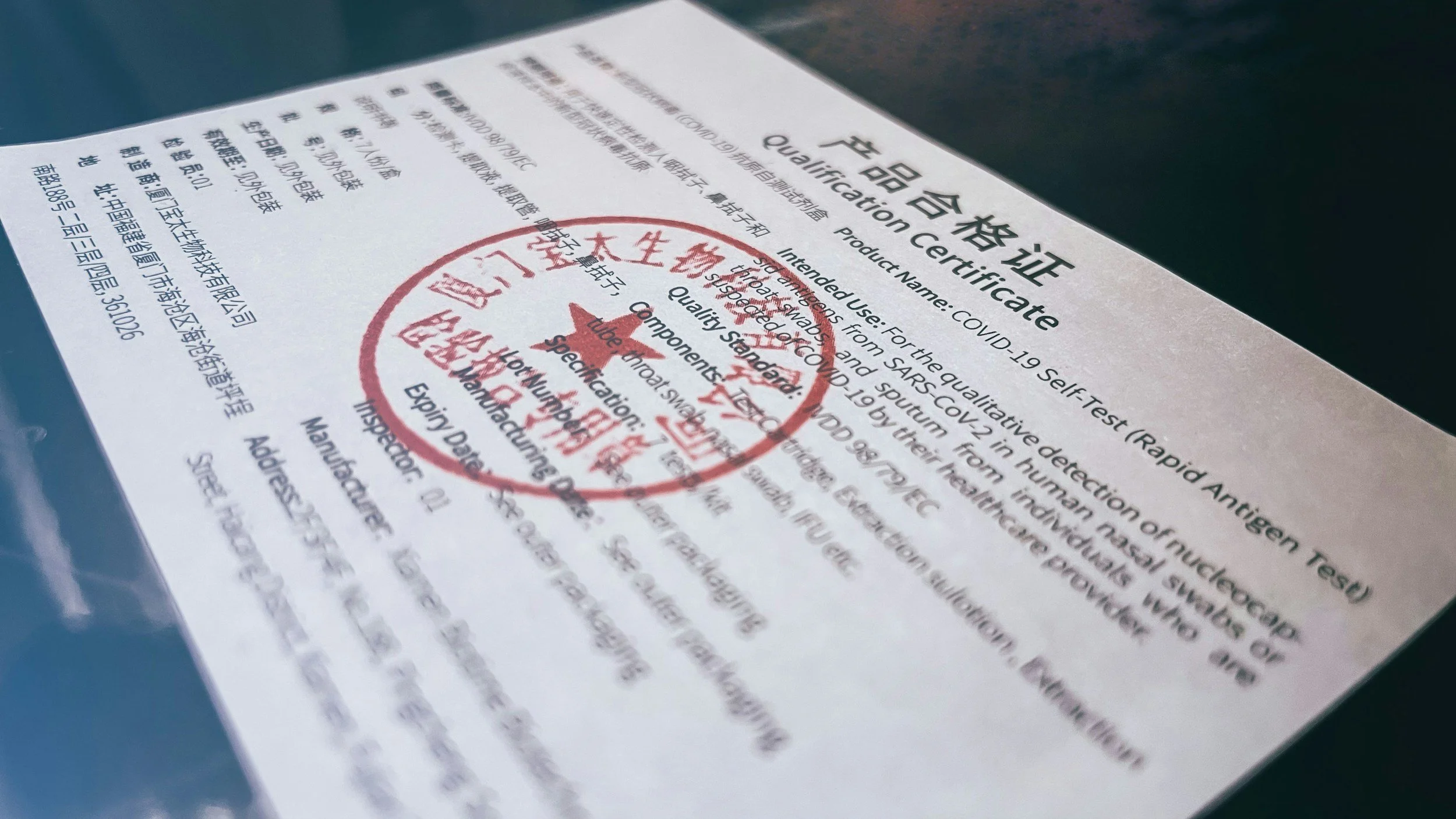
The NMPA (National Medical Products Administration) is China's regulatory authority for cosmetics, pharmaceuticals, and medical devices. This guide explains what NMPA registration means for foreign brands, the difference between special and ordinary cosmetics, the filing process, timeline and costs, the cross-border e-commerce exemption route, and practical strategies for market entry compliance.

How Western E-Commerce Compares with China’s Ecosystem
China operates behind the Great Firewall as a completely separate digital ecosystem. Google, Facebook, Instagram, and YouTube are blocked. Mobile payments replaced credit cards. Search happens inside Little Red Book (Xiaohongshu), Douyin, and Tmall — not Google. This video guide explains why Western e-commerce strategies fail in China.

China Trademark Registration: Why Foreign Brands Must File First
China operates a first-to-file trademark system, which means whoever registers your brand name with CNIPA owns it. This video guide for foreign brands covers why China is different, the squatter problem, Tmall and Tmall Global requirements, the 8 to 12 month registration timeline, why you must register in your own company name, product classes, Chinese-language marks, and what to do if someone else already owns your trademark.

KOL vs KOC in China: What's the Difference and When to Use Each
A practical comparison of Key Opinion Leaders (KOLs) and Key Opinion Consumers (KOCs) in China. Covers reach, cost benchmarks, engagement rates, conversion data, platform-specific strategies for Xiaohongshu, Douyin, and WeChat, budget allocation frameworks for market entry, growth, and festival campaigns, plus the emerging KOS category. Includes actionable roadmap for foreign brands.

Warehouse and Fulfillment Options for China E-Commerce
A practical comparison of warehouse fulfillment options for China e-commerce: bonded warehouses for CBEC, domestic warehouses via a WFOE, direct international shipping, and 3PL providers. Learn how each model affects delivery speed, cash flow, compliance, returns, and your path from market test to scalable operations.

Hiring a China Marketing Agency vs Building an In-House Team
Agency: faster ramp-up, broader expertise, scalable, but less brand immersion. In-house: deeper brand knowledge, dedicated focus, but slow to build, expensive in China. This guide compares ramp-up timelines, platform expertise, and brand control — with a practical hybrid model recommendation.
Health and Dietary Supplements in China: Why Foreign Brands Have a Trust Advantage That Won't Last Forever
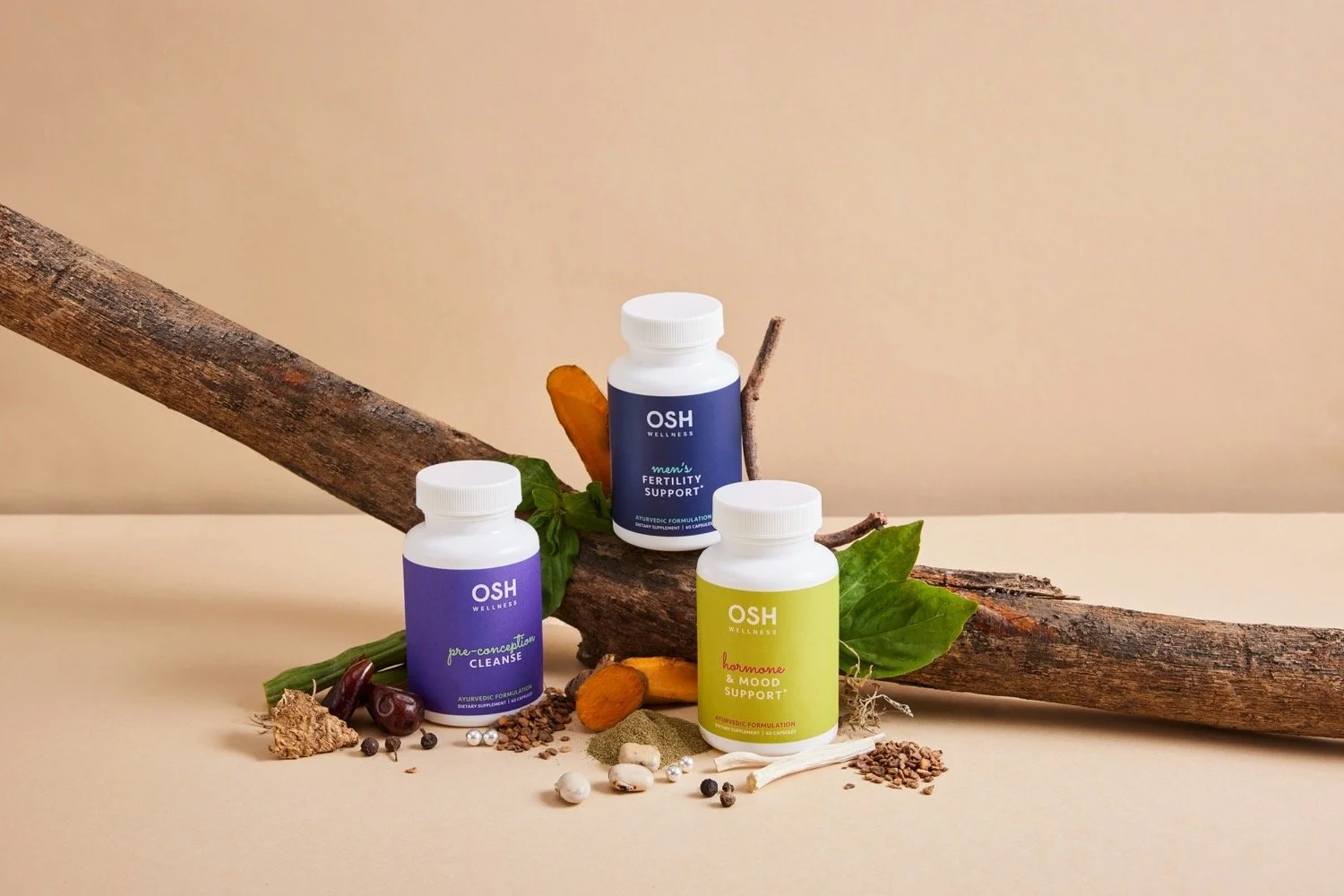
China's health supplement market is just 36% the size of America's and half the size of Europe's, despite having a larger population than both combined. But it's growing faster than either, driven by an aging population and a younger generation adopting dietary supplements for performance and wellness.
How to Market Pet Products on Xiaohongshu and Douyin
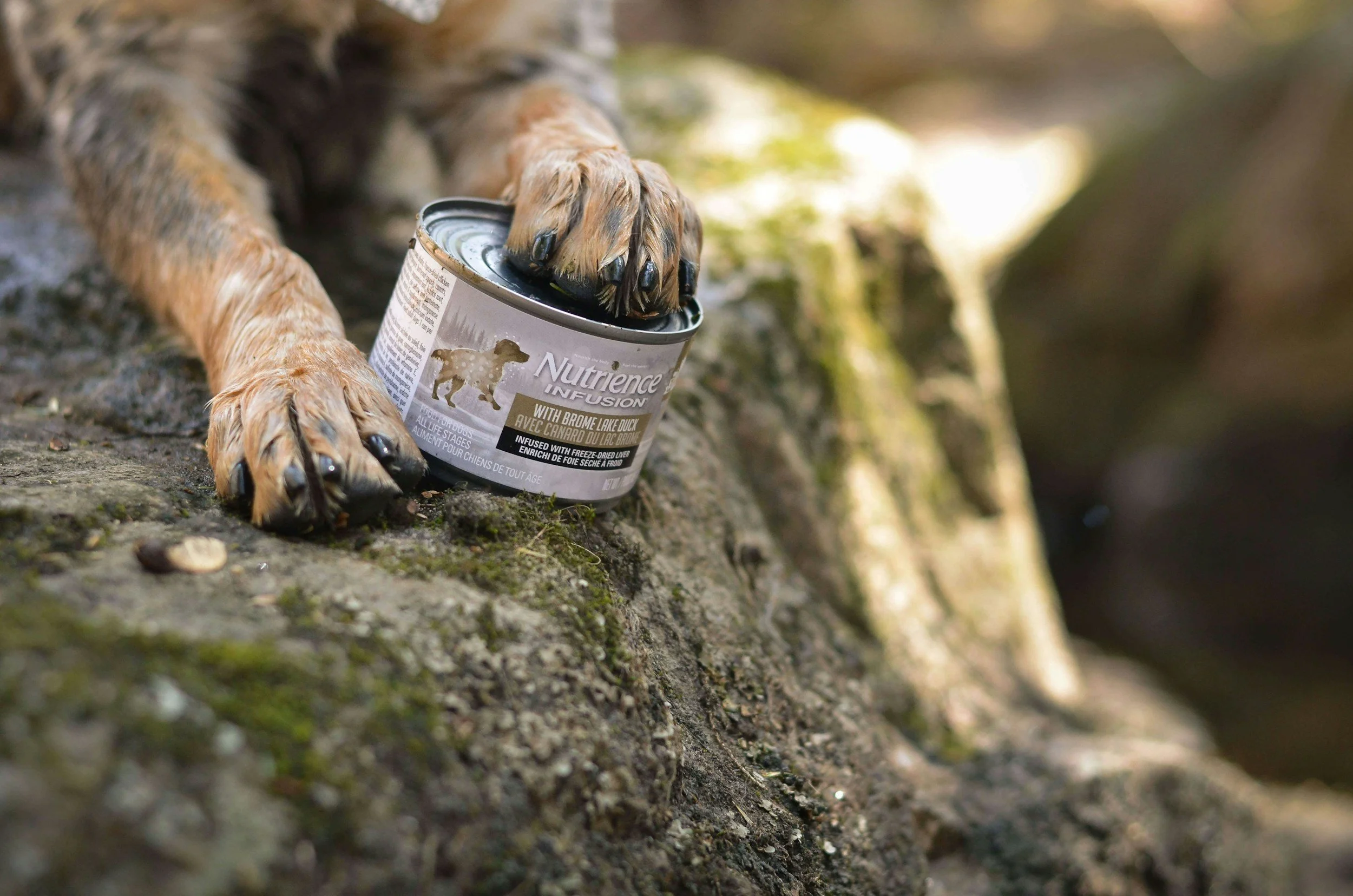
Pet content is among the most viral categories on both Xiaohongshu and Douyin, with over 300 billion views on Douyin alone. This tactical guide covers content formats, KOC seeding strategies, hashtag playbooks, ad formats, compliance rules, budget benchmarks, and livestream sales tactics for foreign pet brands entering China through social commerce.
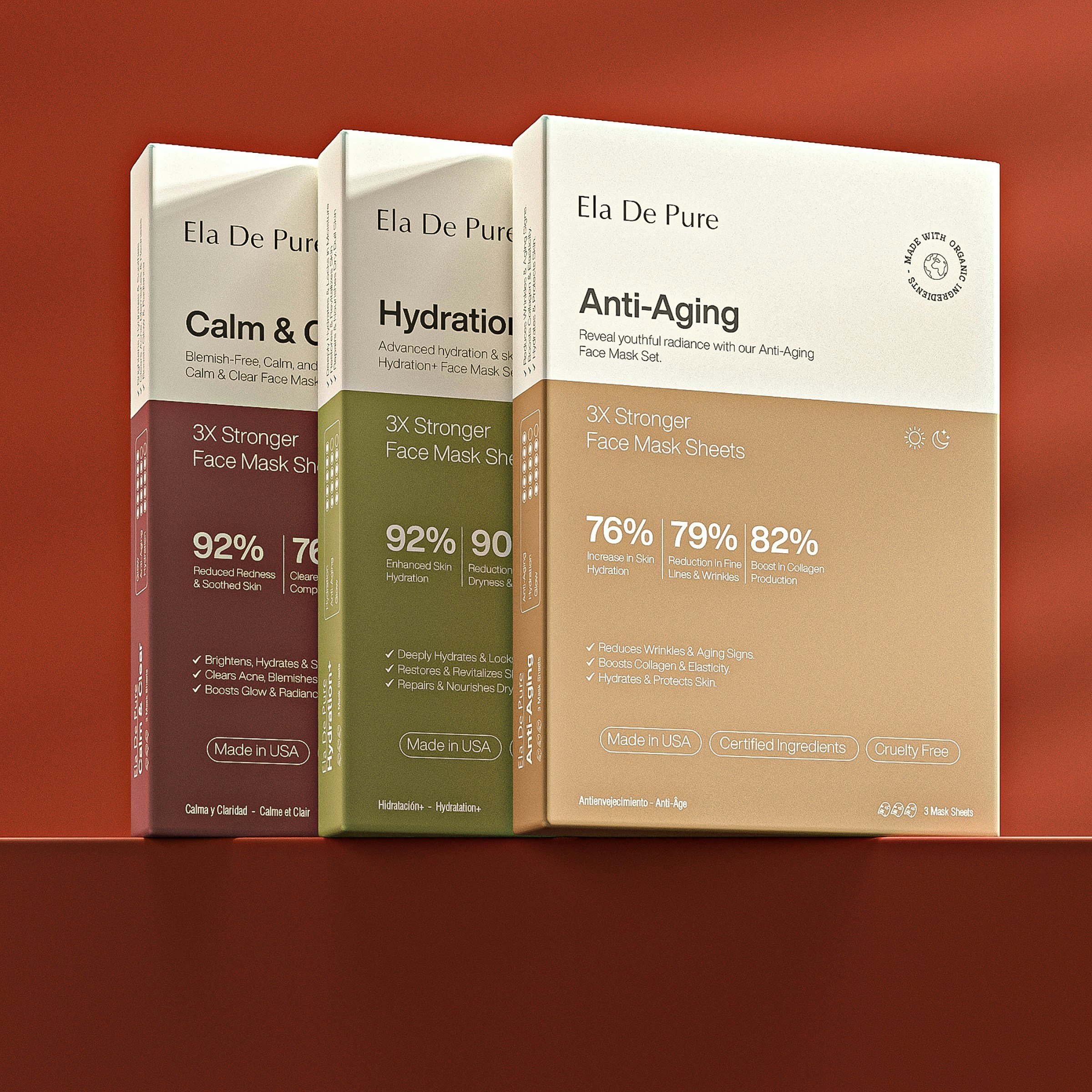
China E-Commerce for Food and Supplement Brands: Complete Regulatory Guide
Comprehensive regulatory guide for foreign food and supplement brands entering China via cross-border e-commerce. Covers the CBEC positive list, Blue Hat registration vs. filing, NMPA and SAMR requirements, ingredient restrictions, Chinese labeling standards , health claims limitations, and testing requirements.
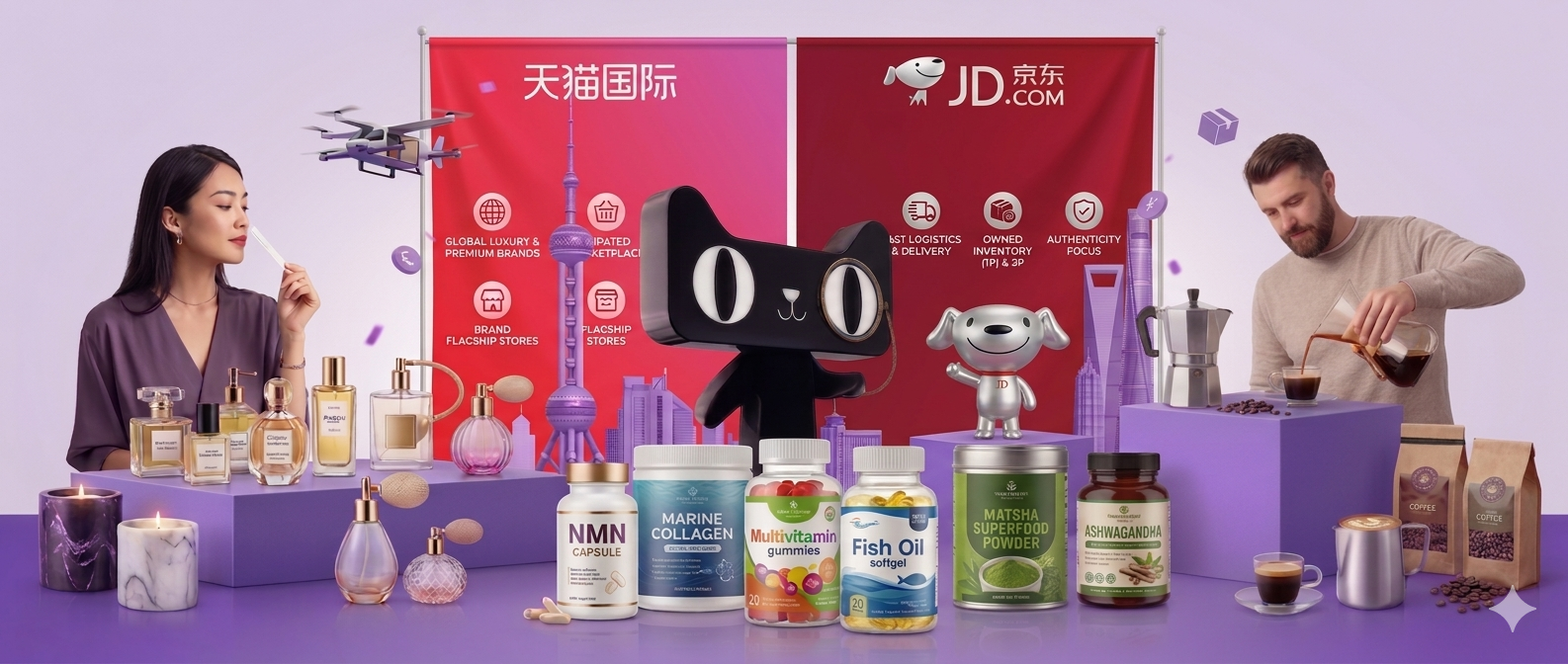
Tmall vs JD: Which E-Commerce Platform Is Right for Your Brand?
Choosing between Tmall and JD is one of the most important decisions foreign brands make when entering China's e-commerce market. This guide compares the two dominant platforms across market share, audience demographics, fee structures, logistics, product categories, advertising tools, and cross-border options. Includes category-by-category recommendations.

Tourism Marketing in China: The Complete Guide for Destinations
Chinese outbound tourism hit 145 million trips in 2024 and is projected to reach 170 million by 2026. This guide explains how national tourism boards, city DMOs, and attractions can market to Chinese travelers using the platforms they actually use — WeChat, Xiaohongshu, Douyin, Weibo, Mafengwo, and Ctrip. Covers platform strategy, KOL campaigns, OTA partnerships, content localization, and budgeting.

Health Supplement Market in China: What's Selling and Why
China's health supplement market exceeded RMB 387 billion in 2023 and continues to grow at double-digit rates. This guide covers top-selling categories, consumer trends, regulatory pathways including CBEC and Blue Hat, platform strategies on Tmall Global and JD, and what foreign supplement brands need to succeed.