
Health Supplements
in China
One of the world's largest and fastest-growing supplement markets — and one of the most accessible for foreign brands selling through cross-border e-commerce.
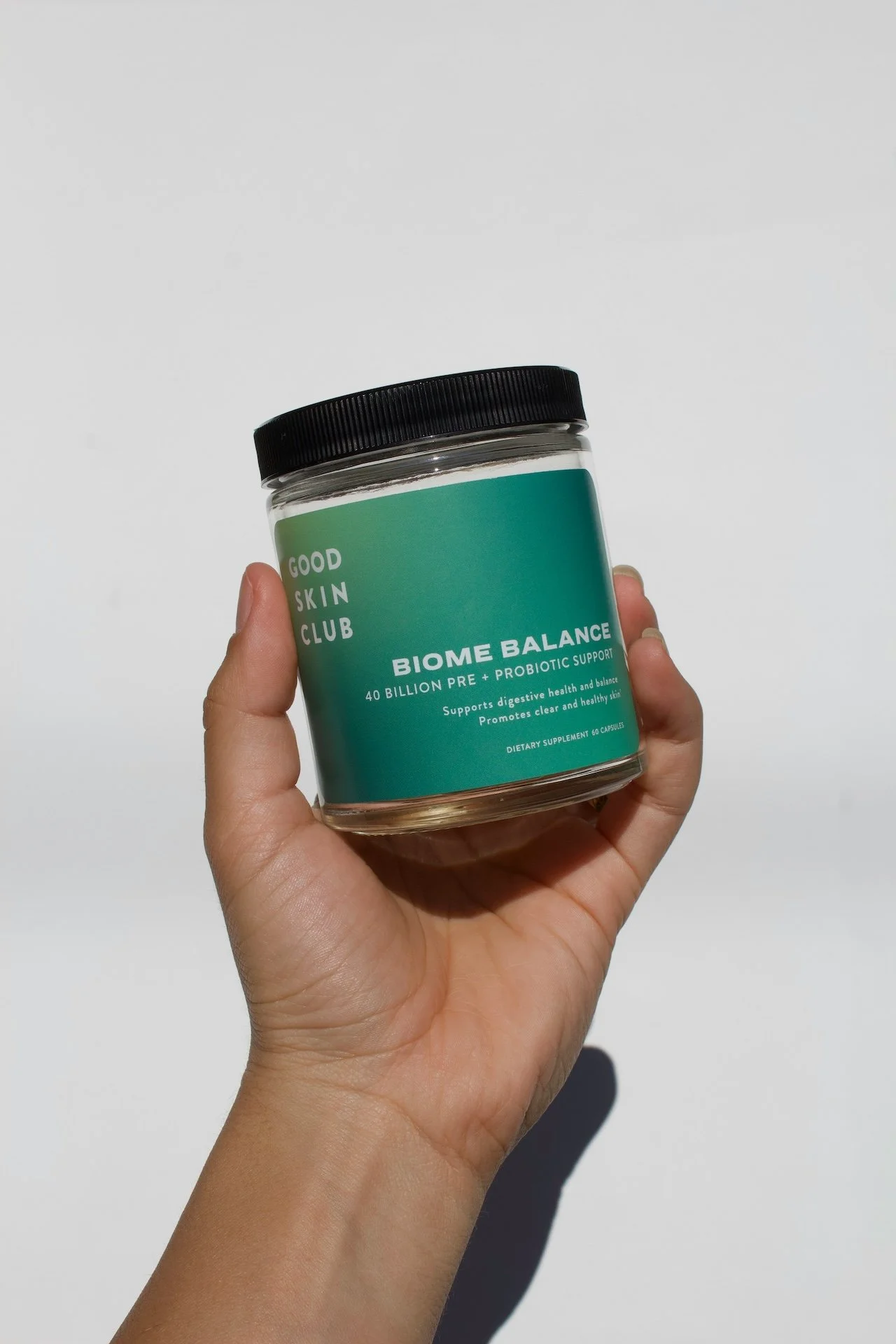
A Market Built for
Imported Brands
China's supplement market continues to accelerate — and foreign brands hold a structural advantage that domestic competitors cannot replicate.
Rising health consciousness, an aging population, and cross-border e-commerce have created a market where foreign brands are actively sought out. Premium pricing signals quality rather than creating resistance.
What Is Driving Growth
Four structural forces are expanding the market and creating lasting advantages for international supplement brands.
Cultural Foundation in Preventive Health
Traditional Chinese medicine has emphasised preventive health for thousands of years. Consumers don't need convincing that supplementation is worthwhile — the question is what to take and from whom to buy it.
E-Commerce Democratised Access
Platforms like Tmall Global and JD Worldwide now give hundreds of millions of consumers direct access to foreign brands in every tier of city. The addressable market expanded dramatically — and cross-border penetration continues to grow.
Permanently Elevated Health Consciousness
The pandemic permanently elevated health awareness. Vitamin C, D, zinc, and immunity supplements saw sustained demand that never fully reversed, normalising cross-border purchasing for a much broader population.
An Aging Population Investing in Vitality
Over 18% of China's population is above sixty, projected to reach a third by 2050. Today's seniors are healthier and wealthier — they view supplements as an investment in joint health, cardiovascular support, and cognitive function.
High-Growth Categories
Six product categories where consumer demand is strongest and import brand advantage is most pronounced.
Growth rates shown as CAGR (Compound Annual Growth Rate)
Vitamins and Minerals
The largest category by volume. Vitamin C, D, B-complex, calcium, and multivitamins are everyday purchases. Growth comes from premium formulations, targeted demographics, and modern formats like gummies and liquids.
Probiotics and Gut Health
One of the fastest-growing categories. Consumer interest extends well beyond digestion into immunity, mood, and skin health. Strain-specific and scientifically-positioned products command strong premiums.
Collagen and Beauty Supplements
Explosive growth at the intersection of beauty and health. Collagen peptides, hyaluronic acid, and "beauty from within" formulations thrive on social media-driven discovery and influencer marketing on Douyin and Little Red Book (Xiaohongshu).
Sleep, Stress, and Mood Support
Urban sleep problems are widespread. Melatonin, magnesium, adaptogens like ashwagandha, and L-theanine blends are gaining rapid traction as mental health stigma decreases and consumers more openly seek solutions.
Fish Oil and Omega-3
Strong, consistent demand driven by cardiovascular health concerns. Quality differentiation through purity, EPA/DHA ratios, and premium sourcing (Norwegian, Icelandic) commands meaningful premiums. Algae-based omega-3 is growing at 11-13%.
Sports Nutrition
Expanding alongside China's growing urban fitness culture. Protein powders, amino acids, and performance products skew younger. International brands carry strong credibility through association with serious fitness culture.
Tmall Supplement Sales
Health supplement sales across all Tmall platforms from December 2024 to November 2025 — including Tmall, Tmall Supermarket, Tmall Global, and Taobao.
Cross-Border Category Breakdown
Top overseas supplement categories by sales order volume on Tmall Global
Data: Dec 2024 – Nov 2025 · Source: Tmall / Alibaba platform data
The Cross-Border Advantage
Skip Years of Regulatory Approval
Domestic sale of health supplements in China requires "Blue Hat" registration — a process involving clinical trials on Chinese subjects, extensive safety evaluations, and timelines of two to five years per product at costs of $50,000-$200,000+. For most foreign brands, this is prohibitive.
Cross-border e-commerce changes the equation entirely. Products sold through platforms like Tmall Global are classified as personal imports, exempt from Blue Hat registration. Your existing home-market certifications — EU food supplement notification, FDA registration, or TGA listing — are generally sufficient.
What This Means in Practice
- No Blue Hat registration required
- EU, FDA, or TGA certifications accepted
- Original international packaging and labelling permitted
- Lower tax rates than domestic import (9.1% CBEC tax)
- Products shipped from bonded warehouses inside China with 1-2 day delivery
- Launch on Tmall Global in as little as six weeks

Why Imported Brands Are Preferred
Chinese consumers actively seek out foreign supplement brands. Understanding why gives you a structural advantage before you even enter the market.
Regulatory Perception
Chinese consumers believe foreign regulatory systems enforce stricter quality standards than domestic equivalents. This perception is deeply embedded and consistent across demographics.
"Made in Germany," "Made in USA," or "Made in Australia" serves as a built-in quality signal that influences purchasing decisions across all supplement categories — often more than any specific clinical claim.
Your home-market regulatory compliance is a marketing asset in China. Certifications and origin labelling that feel routine at home carry real commercial weight.
Safety Track Record
Past domestic product safety incidents created lasting caution about local manufacturing in categories where safety is paramount. Supplements are ingested daily — consumers apply extra scrutiny.
Foreign products are perceived as less likely to be adulterated, mislabelled, or produced with inferior ingredients. This trust gap has narrowed in some consumer categories, but remains wide in health supplements.
Transparent sourcing information, batch testing results, and manufacturing certifications resonate strongly. They confirm what Chinese consumers already want to believe about imported brands.
Ingredient Quality
Consumers believe foreign brands use higher-quality raw materials and more advanced formulations. For supplements where sourcing genuinely matters — fish oil purity, probiotic strain quality, botanical sourcing — this perception is often accurate.
This translates directly into willingness to pay premium prices. Import premiums of 30-100% over domestic equivalents are standard, and consumers view the higher price as confirmation of quality rather than a barrier.
Premium pricing is expected and reinforces your positioning. Competing on price against domestic brands would actually undermine consumer trust in your product quality.
Brand Heritage
Established foreign supplement brands carry decades of manufacturing history that domestic competitors cannot replicate. China's supplement industry is relatively young — most domestic brands were founded after 2000.
A company that has been producing supplements since the 1950s or 1960s carries credibility that no amount of marketing spend can manufacture overnight. Heritage signals reliability, consistency, and accumulated expertise.
Your company history, founding story, and manufacturing heritage are powerful marketing assets on Tmall. Feature them prominently in your store design and product listings.
Supplement Guides
Deep dives into the regulatory landscape and the practical steps to get your products selling on Tmall Global.
Health Supplement Regulations in China
Blue Hat domestic registration versus cross-border e-commerce — what each requires, what each costs, and which one actually works for foreign supplement brands.
Read the regulatory guide
How to Sell Supplements on Tmall Global
A practical guide to launching health supplements in China through cross-border e-commerce — store setup, costs, logistics, marketing, and ongoing operations.
Read the Tmall Global guide

12+ years of experience, 100+ satisfied customers.
Helping foreign brands sell in China since 2013.
From regulatory assessment and cross-border store setup to daily operations, campaign management, and logistics coordination — we handle your entire China supplement launch.
International leadership. Local execution. One partner for your supplement brand's China e-commerce operation — no middlemen, no scattered vendors.