
Probiotics in China: CBEC vs NMPA Registration Path
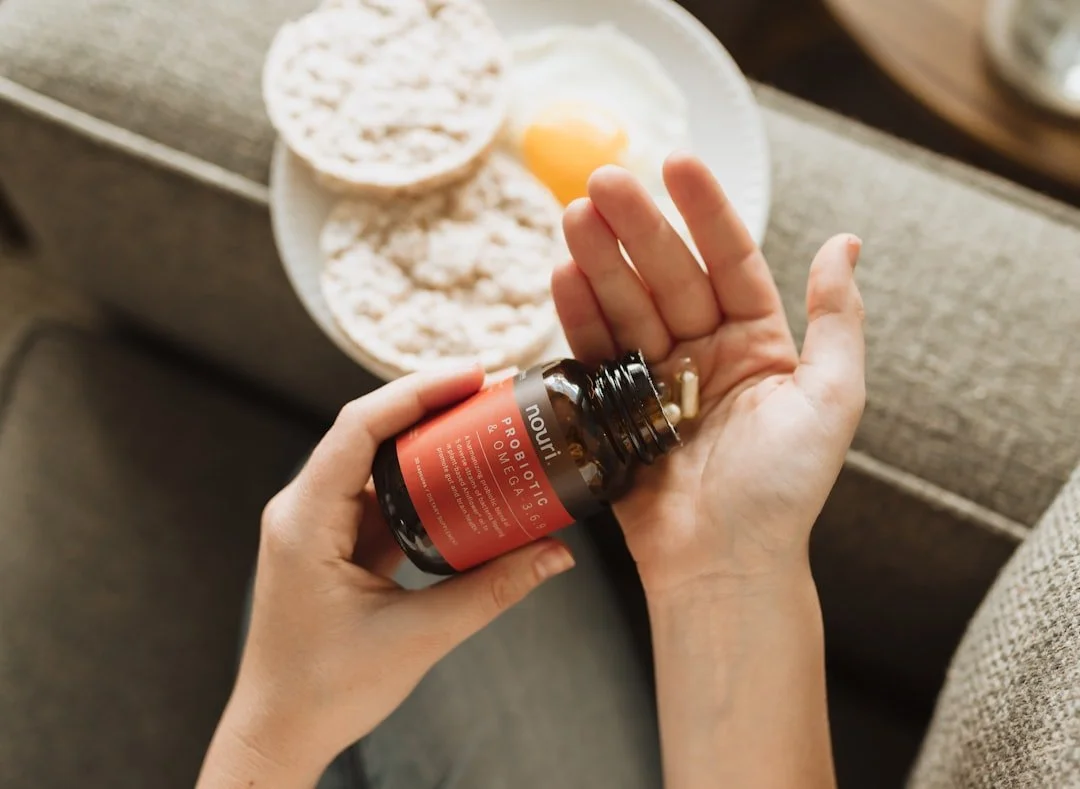
Probiotics are one of the fastest-growing supplement categories in China — and one of the most complex to navigate from a regulatory standpoint. Foreign probiotic brands face a fundamental choice that shapes everything from time to market to marketing claims to long-term profitability: sell through cross-border e-commerce (CBEC) without registration, or pursue full Blue Hat health food registration through SAMR/NMPA for domestic sale.
China's probiotic dietary supplement market generated $2.07 billion in revenue in 2024 and is projected to reach $3.42 billion by 2030, growing at an 8.6% CAGR. The broader probiotics market — spanning supplements, food, beverages, and animal feed — reached $10.8 billion in 2025. Probiotics rank among the top five supplement categories on every major Chinese e-commerce platform, from Tmall to JD Health to Douyin.
This guide breaks down both regulatory paths in detail, compares their trade-offs, and provides a practical framework for deciding which approach — or combination of approaches — is right for your brand.
Market Overview: Why China Matters for Probiotics
China's probiotics market is growing faster than any other major market globally. The drivers are structural, not cyclical:
Several factors make China uniquely receptive to probiotics. Traditional Chinese medicine has long emphasized gut health as foundational to overall wellness — the concept of 脾胃 (spleen and stomach harmony) maps directly onto modern probiotic messaging. This cultural alignment means Chinese consumers don't need to be convinced that gut health matters; they need to be convinced that your product delivers on that promise better than alternatives.
Consumer awareness has reached a tipping point. Probiotics rank in the top five supplement categories by sales on Tmall, Taobao, JD Health, and Douyin. The category has moved well beyond gut health into immune support, skin health, weight management, and even mood regulation — each application expanding the addressable market.
The Two Regulatory Paths: A Fundamental Choice
Every foreign probiotic brand entering China must make a decision that will define their market strategy for years: CBEC or Blue Hat registration. These aren't just different distribution channels — they're fundamentally different business models with different economics, timelines, and competitive positioning.
The core trade-off is straightforward: CBEC gives you speed and flexibility at the cost of claim restrictions. Blue Hat gives you full marketing claims and offline access at the cost of time, money, and regulatory complexity.
Understanding both paths in depth — not just the headlines — is essential for making the right strategic decision.
Path 1: Cross-Border E-Commerce (CBEC)
CBEC allows foreign probiotic brands to sell directly to Chinese consumers through bonded warehouses without registering the product with Chinese health authorities. Products are classified as personal imports — the consumer is technically buying from an overseas seller, and the product never formally enters China's domestic market.
How it works
- Products ship from your home market to a bonded warehouse in a Chinese free trade zone (typically Hangzhou, Ningbo, Zhengzhou, or Guangzhou)
- Chinese consumers purchase through approved CBEC platforms (Tmall Global, JD Worldwide, Kaola)
- Orders are fulfilled from the bonded warehouse with domestic-speed delivery (1–3 days)
- A preferential tax rate of approximately 9.1% applies (reduced import duty + VAT, no consumption tax on supplements)
- Per-transaction limit: ¥5,000. Annual per-consumer limit: ¥26,000
What CBEC gives you
- Speed to market: 6–12 weeks from decision to first sale, compared to 18 months to 5 years for Blue Hat registration
- No product registration: No SAMR/NMPA filing or approval required
- No Chinese entity required: You don't need a WFOE or joint venture
- Original packaging: Products sell in their home-market packaging with a Chinese supplementary label
- Strain flexibility: You can sell strains that aren't on China's approved domestic list, as long as they're legal in your home market
- Low upfront cost: Platform deposits of $8,000–$25,000 versus $20,000–$200,000+ per product for Blue Hat
What CBEC restricts
- No health claims: You cannot claim that your product "supports immune function," "improves digestive health," or any other functional benefit on packaging or in official marketing materials
- No offline sales: Products cannot be sold in pharmacies, health stores, supermarkets, or any physical retail
- No domestic e-commerce: You can only sell through CBEC-designated platforms, not through domestic Tmall, domestic JD, or other non-CBEC channels
- Transaction limits: The ¥5,000/¥26,000 caps rarely affect probiotic purchases but can limit gift-set bundle pricing
Path 2: Blue Hat Registration (SAMR/NMPA)
Blue Hat registration is the domestic regulatory pathway for selling health food products (保健食品) in China. Products that complete registration receive the iconic blue hat-shaped logo on their packaging — a visual signal to Chinese consumers that the product has been reviewed and approved by Chinese authorities.
Registration vs filing
China's health food system has two tracks:
- Filing (备案): A simplified pathway available only for certain vitamin and mineral supplement products that use ingredients listed in the approved raw materials directory. Faster and cheaper, but not available for most probiotic products.
- Registration (注册): The full regulatory pathway required for products making functional health claims, including most probiotic supplements. This is the path that takes 18 months to 5 years and costs $20,000–$200,000+ per product.
The registration process
- Product dossier preparation: Complete formulation documentation, manufacturing process description, quality control specifications, stability data
- Chinese laboratory testing: Products must be tested at Chinese-accredited labs — home-market certifications are not accepted
- Clinical trials (for functional claims): Human studies demonstrating the claimed health benefit, conducted according to Chinese protocols
- SAMR review: Technical and administrative review by the State Administration for Market Regulation's Health Food Review Center
- Labeling compliance: Full Chinese labeling including the Blue Hat logo, functional ingredients, suitable/unsuitable population groups, and consumption instructions
- Chinese entity requirement: A domestic legal entity (WFOE or joint venture) is required to hold the registration
What Blue Hat gives you
- Full health claims: You can legally market specific functional benefits (e.g., "supports intestinal health," "enhances immune function") on packaging and in all marketing materials
- Offline retail access: Pharmacies, health food stores, supermarkets, convenience stores — the full omnichannel distribution network
- Domestic e-commerce: Sell on domestic Tmall, JD.com, Pinduoduo, and all other platforms without CBEC restrictions
- Consumer trust signal: The Blue Hat logo is recognized by Chinese consumers as a quality and safety indicator
- No transaction limits: No per-order or per-year purchase caps
Upcoming regulatory changes
SAMR is actively working to include 9 probiotic strains in the Health Food Raw Materials Directory. When finalized, this will allow products using these specific strains to use the simplified filing pathway instead of full registration — significantly reducing the time and cost for products that qualify. Foreign brands should monitor this development closely, as it could change the Blue Hat calculus for certain formulations.
CBEC vs Blue Hat: The Complete Comparison
| Factor | CBEC | Blue Hat Registration |
|---|---|---|
| Time to market | 6–12 weeks | 18 months – 5 years |
| Cost per product | Platform fees only ($8K–$25K deposit) | $20,000–$200,000+ |
| Health claims | Not permitted | Approved functional claims |
| Offline retail | Not permitted | Full access (pharmacies, stores) |
| Chinese entity | Not required | WFOE or JV required |
| Lab testing | Home-market certifications accepted | Chinese-accredited labs only |
| Clinical trials | Not required | Required for functional claims |
| Strain restrictions | Home-market approved strains | Must use China-approved strains |
| Packaging | Original + Chinese supplement label | Full Chinese labeling + Blue Hat logo |
| Tax rate | ~9.1% comprehensive | 13%+ VAT + import duties |
| Formula disclosure | Not required | Full disclosure to authorities |
| Product flexibility | Easy to launch new SKUs | Each SKU requires separate registration |
Choose Blue Hat if: You're already selling successfully via CBEC and want to expand to offline retail, your product uses approved strains that qualify for simplified filing, you have the budget and patience for a 2–5 year regulatory process, or offline distribution is strategically essential.
Choose both (recommended for established brands): Launch via CBEC immediately, begin Blue Hat registration in parallel, use CBEC sales data to prioritize which products to register first.
Approved Probiotic Strains in China
China maintains specific lists of approved probiotic strains for different product categories. Understanding these lists is essential for both regulatory paths — though they apply differently to CBEC vs domestic sale.
Key strain categories
- Strains approved for general food use: Can be used in ordinary food products (yogurt, fermented drinks) without health food registration. Includes common Lactobacillus and Bifidobacterium species.
- Strains approved for infant food use: A more restrictive list of strains cleared for products targeting children under 3 years. Foreign brands should verify their specific strains against this list if targeting the infant/toddler segment.
- Strains approved for health food (Blue Hat): Strains that can be used in registered health food products with functional claims. SAMR is actively expanding this list — 9 additional strains are being considered for the Health Food Raw Materials Directory.
Viable count requirements
For products sold domestically as health food, each probiotic strain must maintain a live count of at least 10⁶ CFU/mL (or per gram) throughout the entire shelf life — not just at the time of manufacture. This is a critical technical requirement that affects formulation, packaging, and cold chain logistics. Many foreign brands that meet this standard at production struggle with viability after bonded warehouse storage and last-mile delivery in Chinese conditions.
Product Formats and Consumer Preferences
Format choice significantly impacts consumer perception, pricing, and competitive positioning in China's probiotic market.
| Format | Market Position | Key Advantage |
|---|---|---|
| Tablets and softgels | Largest segment by revenue (2024) | Familiar format, easy dosing, shelf stability |
| Chewables and gummies | Fastest growing segment | Appeal to younger consumers, snack-like experience |
| Powder sachets | Strong in daily-use and children's segments | Versatile (mix into drinks/food), portable |
| Liquid/drops | Premium positioning | Higher perceived efficacy, infant-friendly |
| Freeze-dried powder (stick packs) | Emerging premium format | Higher CFU viability, modern packaging appeal |
The shift toward chewables and gummies is the most significant format trend. Chinese consumers — particularly women aged 20–35 who are the primary probiotic buyers — increasingly prefer formats that feel less like "taking medicine" and more like a pleasant daily habit. Brands like GUTX have won design awards for innovative dual-compartment packaging that keeps probiotics viable until consumption, demonstrating how format innovation can be a genuine differentiator.
For CBEC entry, powder sachets and capsules are typically the safest starting formats — they're shelf-stable, ship well, and have proven demand. Gummies and chewables can follow as a second-wave launch once you've validated initial market response.
Platform Strategy
Probiotics are a top-five category on every major Chinese e-commerce platform. The platform mix depends on your regulatory path.
For CBEC brands
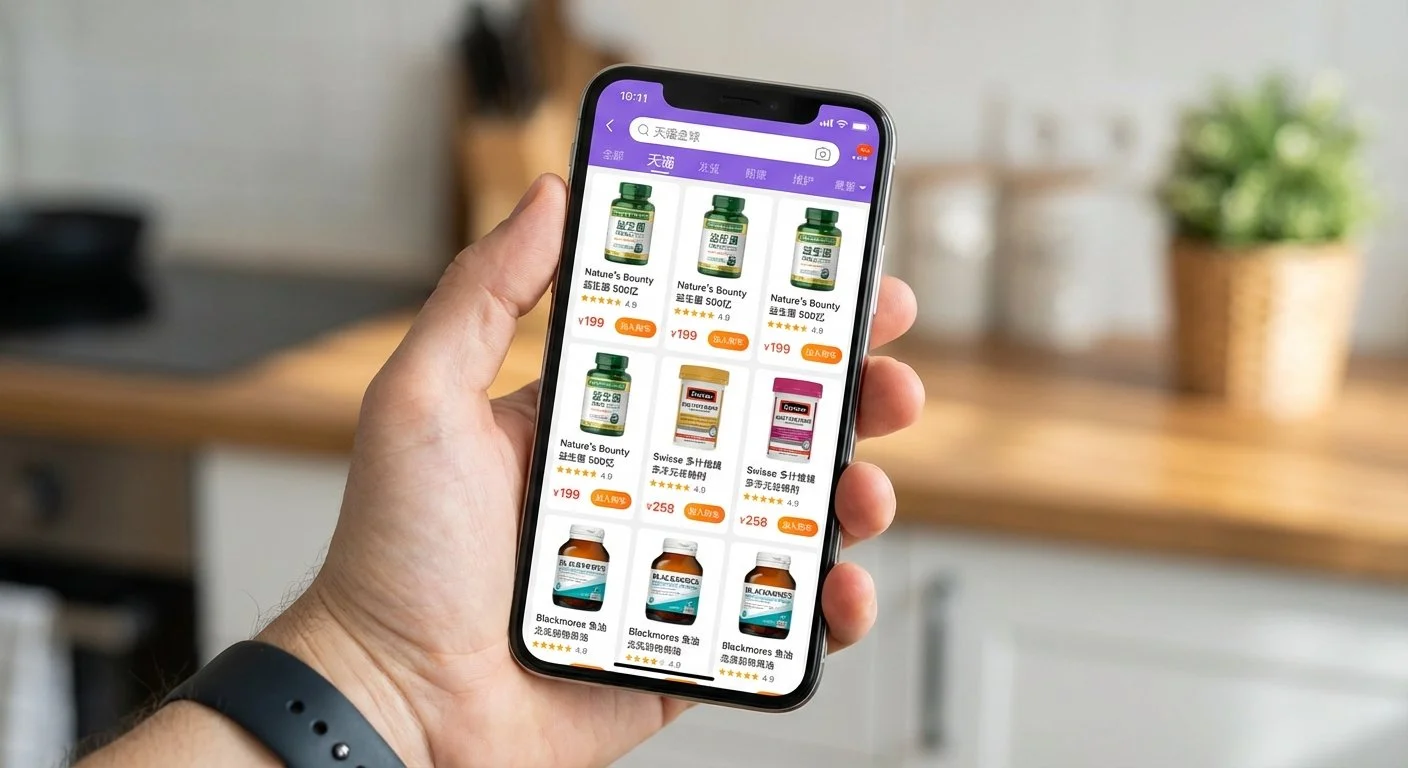
- Tmall Global: The primary platform. Probiotics rank among the top categories by both sales volume and growth rate on Tmall and Taobao. Your flagship store here is the foundation of your China presence. Invest in detailed product pages with strain education, CFU counts, and clinical evidence summaries.
- JD Worldwide: Strong secondary platform, particularly for repeat purchasers who value JD's fast logistics and authenticity guarantees. JD Health has expanded its supplement category aggressively, and probiotics are a priority.
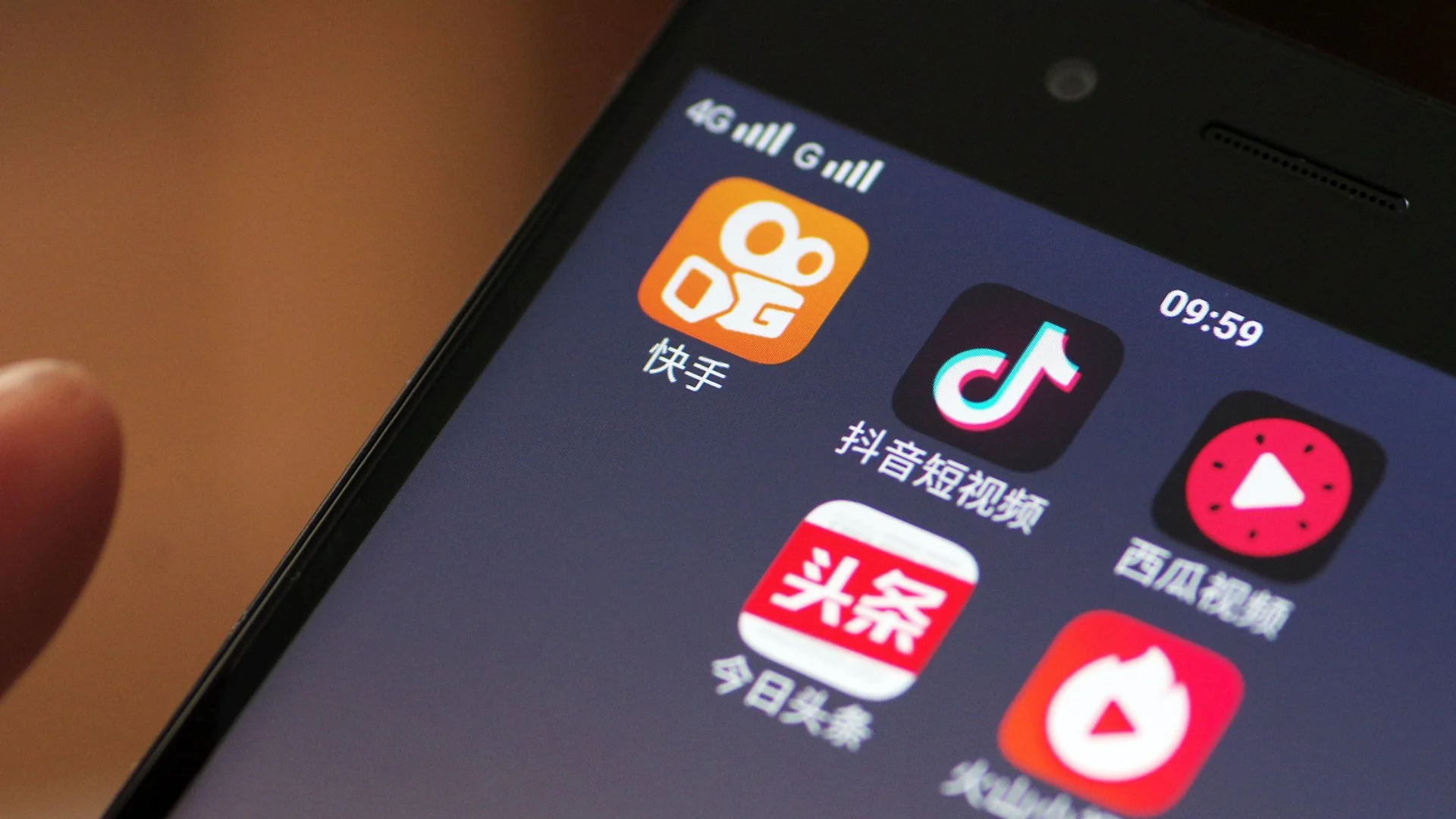
- Douyin Global Store: Probiotics are a top-five category on Douyin. The platform's content-driven model works well for probiotics — educational content about gut health, strain differences, and lifestyle integration performs strongly. Live commerce sessions with health KOLs can drive significant volume.
For Blue Hat registered brands
- Domestic Tmall and JD.com: Full access to domestic marketplaces without CBEC restrictions
- Pharmacies: A critical channel for probiotics in China. Consumers trust pharmacy recommendations, and pharmacist endorsement carries significant weight for gut health products.
- Health food stores and supermarkets: Offline distribution reaches consumers in lower-tier cities where e-commerce penetration for supplements is lower.
- Hospital and clinic channels: Some registered probiotic products are recommended by gastroenterologists and pediatricians, creating a clinical endorsement pathway unavailable to CBEC products.
Marketing and Content Strategy
Probiotic marketing in China requires a different approach depending on your regulatory path — but both paths share a common foundation: education-led content that builds trust through knowledge, not hype.
Content pillars
- Strain education: Chinese consumers are increasingly strain-literate. Content explaining what Lactobacillus rhamnosus GG does vs Bifidobacterium lactis BB-12 vs Saccharomyces boulardii — and why your specific strains were chosen — resonates deeply. This is your strongest differentiation lever.
- Gut-health science: The microbiome concept is gaining mainstream awareness in China. Content connecting gut health to immunity, skin quality, mood, and weight management expands your addressable audience beyond "people with digestive problems."
- Daily routine integration: Show how probiotics fit into daily life — morning routines, post-meal habits, travel packs. Normalize daily probiotic use as a wellness habit rather than a treatment for a specific problem.
- Viability and quality proof: Chinese consumers worry about whether probiotics are actually alive when they consume them. Content demonstrating your cold chain, packaging technology, and third-party CFU testing builds credibility.
KOL strategy for probiotics
- Health and wellness KOLs: Nutritionists, dietitians, and traditional Chinese medicine practitioners who can contextualize probiotics within Chinese health philosophy
- Mommy KOLs: Children's probiotics are a massive subsegment. Parenting influencers who share their family's supplement routines drive strong conversion
- Fitness and lifestyle KOLs: For brands positioned around gut-muscle connection, athletic recovery, or general wellness
- Dermatology and beauty KOLs: For brands with skin-health positioning — the gut-skin axis is a growing content category on Little Red Book (Xiaohongshu)
Budget Benchmarks and Entry Roadmap
CBEC-First Strategy (Months 1–6) — $45,000–$100,000
- TP (Tmall Partner) selection and onboarding
- Tmall Global flagship store setup and product listing localization
- Chinese supplementary label design
- Initial bonded warehouse inventory shipment (3–5 SKUs)
- Product content creation: strain education materials, lifestyle photography, video content
- Little Red Book (Xiaohongshu) account launch and initial KOC seeding (50–100 products)
- First KOL campaign (10–20 mid-tier collaborations)
Scale and Diversify (Months 7–15) — $80,000–$200,000
- JD Worldwide launch as secondary sales channel
- Douyin e-commerce store launch with live commerce strategy
- WeChat CRM program for repeat purchase and community building
- Expanded KOL program (25–40 collaborations per quarter)
- Participation in major promotional events (6.18, Double 11)
- New SKU launches based on first 6 months of market data
Optional: Blue Hat Registration Track (Parallel, Months 1–36+) — $50,000–$250,000
- Regulatory consultant engagement for strain and formulation assessment
- Chinese laboratory testing submission
- Clinical trial design and execution (if required for functional claims)
- SAMR dossier preparation and submission
- WFOE or JV establishment (if not already in place)
- Ongoing regulatory communication and documentation updates

Launch Your Probiotic Brand in China
Shanghai Jungle is an official Tmall Partner with locations in Shanghai, Copenhagen, and Stuttgart. We help probiotic and supplement brands navigate CBEC entry, platform operations, and regulatory strategy to reach Chinese consumers.
Schedule a Strategy Call