
Niche Fragrance in China: Why Indie Perfume Brands Are Winning
Niche Fragrance in China: Why Indie Perfume Brands Are Winning
China's niche fragrance segment grew 45% in 2024 while the broader luxury market contracted. With perfume penetration at just 5% of the population and a generation of consumers treating scent as self-expression, indie perfume brands have an opening that rarely exists in mature categories.

The Niche Fragrance Boom in China
Something unusual is happening in China's perfume market. While the broader luxury sector contracted 3-5% in 2025 and many consumer categories saw flat or declining growth, niche fragrance experienced a 45% surge in 2024 and continues to accelerate. Fragrance houses that once viewed China as a marginal market are now establishing Shanghai-based creation hubs, and indie perfume brands with no prior presence in Asia are finding enthusiastic audiences through cross-border e-commerce.
The dynamics behind this growth are specific and worth understanding. Perfume penetration in China remains around 5% of the population — compared to 40-50% in Western Europe. This means the market is still in an early adoption phase, but the consumers who are adopting fragrance are doing so with the intensity and sophistication of collectors, not casual buyers. They research ingredients on Xiaohongshu (Little Red Book), build collections of 5-10 scents for different moods and occasions, and actively seek out brands that mass-market consumers have never heard of.
Market Size and Growth Trajectory
China's overall perfume market was valued at approximately $6.8 billion (USD) in 2025 and is projected to reach $9.6 billion by 2034, growing at a CAGR of 3.9%. But these aggregate numbers obscure a critical detail: the niche and premium segment is growing at 5-10x the rate of the mass market. The premium niche tier — products priced between RMB 600 and RMB 1,500 ($85-$210) per bottle — is the fastest-growing segment and the sweet spot for foreign indie brands.
China Perfume Market Growth by Segment
Sources: iiMedia Research, VVR International, OpenPR Market Analysis 2025The consumer demographic driving this growth is concentrated but influential: primarily women aged 24-40 in tier 1 and tier 2 cities, with growing participation from male consumers who are embracing fragrance as part of a broader personal care evolution. Men's fragrance usage in China is increasing steadily, reflecting a cultural shift toward greater acceptance of grooming and self-expression products among younger male demographics.
Why Is Penetration Still So Low?
China does not have the deep historical relationship with perfume that exists in France, the Middle East, or even the United States. Fragrance culture is being built in real time — largely through social media, travel experiences, and the influence of global beauty content. This means the market is simultaneously immature (low penetration) and sophisticated (high interest in artisanal, story-driven products). For indie brands, this is a rare window: a large market with real growth, genuine demand for imported niche products, and a viable cross-border entry path.
Why Indie Brands Are Winning Over Luxury Houses
For decades, the China fragrance market was dominated by global luxury houses — Chanel, Dior, Jo Malone, Tom Ford. These brands benefited from their prestige and the aspirational value Chinese consumers attached to Western luxury names. But the consumer dynamic has shifted, and indie brands are capturing market share for several specific reasons.

Individuality Over Status
The generation of Chinese consumers driving fragrance adoption (born roughly 1990-2005) is less motivated by brand logos and more by personal expression. Wearing the same Chanel No. 5 as everyone else is losing appeal. These consumers want scents that feel personal, unusual, and difficult to identify — scents that spark the question "what are you wearing?" rather than the recognition "oh, that's Dior." Indie brands with unique compositions, limited production, and strong founder stories fulfill this desire in a way that mass-distributed luxury fragrances cannot.
Storytelling and Craftsmanship
Chinese fragrance consumers — especially those active on Xiaohongshu — are deeply interested in the story behind the scent. Where the ingredients come from, who the perfumer is, what inspired the composition, how the brand was founded. Indie brands with authentic creative narratives have an inherent advantage because their stories are real and distinctive. A third-generation Italian perfumer using Sicilian bergamot tells a more compelling story than a corporate luxury house launching its eighth flanker of a designer fragrance.
The Discovery Factor
There is a cultural cachet in China associated with discovering something before it becomes mainstream. Xiaohongshu rewards this behavior — users gain social capital by posting about unknown brands that turn out to be exceptional. Indie fragrance brands benefit directly from this dynamic because their obscurity is an asset, not a liability. Early adopters become evangelists, creating organic content that drives awareness far more effectively than paid advertising.
What Chinese Consumers Want in a Fragrance
Chinese fragrance preferences are shaped by climate, cultural aesthetics, and the specific way scent culture is developing in the market. Understanding these preferences is essential for product selection and positioning.
Scent Profile Preferences
Light & Fresh Florals
The dominant preference. Peony, gardenia, osmanthus, and white tea notes resonate strongly. Clean, airy compositions outperform heavy florals.
Fruity & Citrus
Yuzu, bergamot, lychee, and fig. These lighter notes appeal to first-time fragrance buyers and work well in China's humid subtropical climate.
Woody & Earthy
Growing fast, especially among the niche segment. Sandalwood, hinoki, vetiver, and agarwood (oud) have cultural resonance and appeal to more experienced collectors.
Unisex & Genderless
A defining trend. Chinese consumers — especially Gen Z — are moving away from gendered fragrance categories. Brands with gender-neutral positioning and marketing have a structural advantage.
Heavy oriental, gourmand, and intensely sweet compositions tend to have a narrower audience in China. They perform better in northern regions during winter, but the mass preference leans toward lighter, more transparent scents. That said, the niche consumer is more adventurous than the average buyer — brands should not dumb down their portfolio for the Chinese market, but they should lead with lighter, more accessible scents for customer acquisition and introduce bolder compositions as the customer relationship deepens.
Packaging and Presentation
Packaging carries exceptional weight in the Chinese market. A beautifully designed bottle and box becomes content on Xiaohongshu — unboxing is a genre unto itself. Indie brands with distinctive bottle design, quality materials, and photogenic packaging have a significant advantage. Gift packaging is equally important: perfume is a popular gift item in China, especially around Valentine's Day (both February 14 and the Chinese Valentine's Day on May 20), Chinese New Year, and Women's Day (March 8).
Xiaohongshu: Where Fragrance Discovery Happens
Xiaohongshu (Little Red Book) is the single most important platform for fragrance discovery in China. The platform's combination of visual content, detailed reviews, and powerful search function creates an environment where niche brands can build awareness without massive advertising budgets.
Fragrance is one of the most challenging products to sell online because you cannot smell it through a screen. Xiaohongshu solves this through a culture of descriptive, evocative reviews. Users write detailed posts describing scent profiles in poetic, relatable terms — comparing fragrances to specific experiences, seasons, moods, and even fictional characters. This user-generated content creates a "virtual sampling" layer that helps consumers make purchase decisions.
Content That Works for Fragrance Brands on Xiaohongshu
- Scent storytelling posts — Evocative descriptions that translate the fragrance into visual and emotional language. "This smells like walking through a lemon grove at sunset after rain." These posts generate saves and shares because they are useful reference material for consumers building wish lists.
- Collection and comparison posts — KOCs comparing 5-10 fragrances in a category ("Best fresh fragrances under RMB 1,000" or "Top niche brands you've never heard of"). These generate enormous search traffic and position featured brands alongside established names.
- Unboxing and discovery set reviews — Detailed photographic reviews of sample kits showing packaging quality, vial presentation, and first-spray impressions. These directly drive trial purchases.
- Occasion and mood pairing — "What to wear on a first date," "Office-appropriate scents for summer," "Cozy evening fragrances for winter." These content formats have evergreen search value.
- Brand origin stories — Posts about the perfumer, the inspiration, the ingredient sourcing. Chinese consumers reward brands that share genuine creative backstories.
Platform and Channel Strategy
Fragrance brands in China need a different channel mix from cosmetics or skincare. The purchase journey is longer (consumers sample before committing to full bottles), the emotional component is higher, and the role of offline touchpoints — even for primarily online brands — is more significant.
Recommended Platform Mix for Indie Fragrance Brands
- Xiaohongshu — Primary discovery and brand-building platform. Open a brand account, seed content through KOCs, and optimize for fragrance search terms. This is where you build desire.
- Tmall Global — Primary sales conversion platform. The flagship store format gives your brand credibility, and CBEC access means no NMPA registration required. Start with discovery sets as your lead product, with full-size bottles as the upsell.
- WeChat Mini-Program — For CRM and repeat customers. Build a membership program, offer exclusive scents or early access, and create a private community for fragrance enthusiasts. This becomes your highest-margin channel over time.
- Douyin — Secondary platform for specific campaigns. Fragrance is harder to sell via livestream than visual products like cosmetics, but short-form video content about brand stories, perfumer interviews, and "scent of the day" series can drive awareness. Consider Douyin for gifting season campaigns (Valentine's, 5.20, Chinese New Year).
The Role of Offline in an Online Strategy
Fragrance is inherently sensory, and the most successful niche brands in China supplement their online presence with selective offline experiences. Pop-up stores in Shanghai and Beijing shopping districts, scent bars at lifestyle events, and partnerships with premium hotels or concept stores create physical touchpoints that online-only strategies lack. These experiences generate Xiaohongshu content organically — consumers post about the experience, which drives online awareness. Creed, for example, entered China through Tmall in 2021 and then opened 14 physical stores, with each store opening generating significant social media content.
CBEC Entry: Selling Perfume in China Without NMPA Registration
The regulatory environment is one of the biggest reasons indie fragrance brands can enter China at all. Under the cross-border e-commerce (CBEC) framework, perfume brands can sell to Chinese consumers without going through the full NMPA (National Medical Products Administration) registration process that domestic sales require.
CBEC Entry (Recommended)
No NMPA registration needed. No formula disclosure required. Home-country certification (CE, FDA, or equivalent) is sufficient. Products ship from bonded warehouses. Time to market: 8-12 weeks. Cost: minimal regulatory overhead.
Domestic Registration
Full NMPA registration with complete formula submission. Required for offline retail and domestic e-commerce. 6-12 months to market. $3,000-$8,000 per SKU. DRA (Domestic Responsible Agent) required. Full hazmat compliance for alcohol-based products.
For most indie fragrance brands, CBEC is the clear starting point. It allows you to test the market, validate which scents resonate with Chinese consumers, and build brand awareness — all without the significant upfront investment of domestic registration. The tax treatment is also favorable: CBEC purchases under RMB 5,000 per transaction are duty-free, with a combined tax rate of approximately 9.1% applied to the retail price.
Keep in mind the tax comparison nuance: while CBEC's 9.1% rate is lower than general trade rates, it applies to the consumer retail price. General trade duties apply to the lower import (CIF) price. The two tax bases differ, so a direct percentage comparison can be misleading. That said, for most fragrance brands, CBEC still offers a meaningful cost advantage.
Competitive Landscape: Who Else Is in the Market
Understanding the competitive terrain helps you position your brand effectively. The China fragrance market has several distinct competitive layers.
Global Luxury Houses
Chanel, Dior, YSL, Tom Ford, and Jo Malone remain the largest players by revenue. They benefit from massive brand awareness, offline retail presence, and decades of aspiration-building. But they are losing share in the niche segment because their products are perceived as ubiquitous — the opposite of what niche-seeking consumers want.
Established Niche International Brands
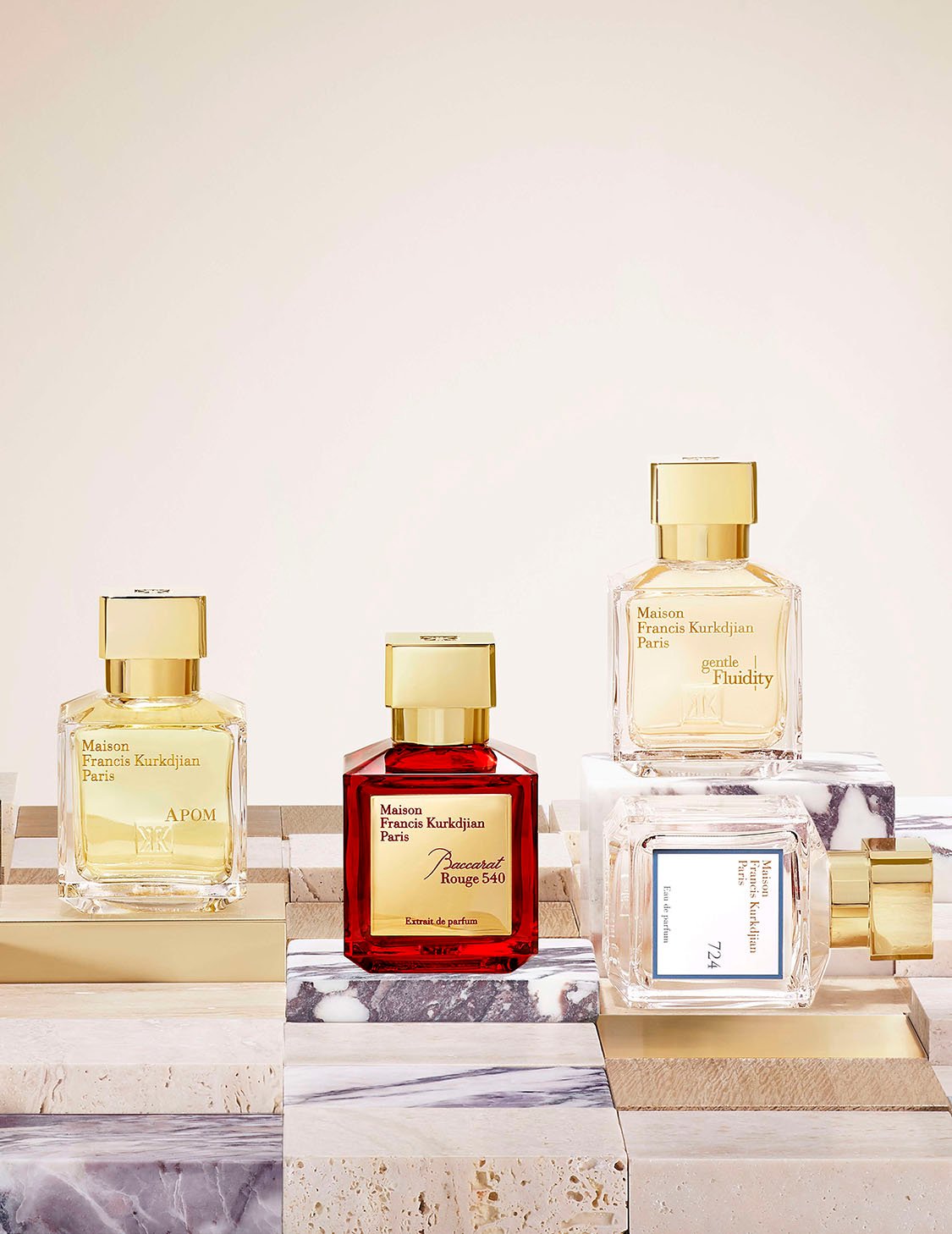
Brands like Maison Francis Kurkdjian, Byredo, Diptyque, Le Labo, and Creed have established strong positions in China. They command premium pricing and have growing offline presence. They represent the competitive benchmark for incoming indie brands — if your product quality, packaging, and storytelling can compete with these names, the market is receptive.
Chinese Niche Brands
This is the most dynamic segment. Brands like To Summer (Guanxia) have built cult followings by translating Eastern cultural aesthetics into contemporary fragrance. To Summer positions itself as the "originator of contemporary Eastern artistic fragrance" and has demonstrated that Chinese consumers will pay premium prices for locally conceived niche products. Other Chinese niche brands are emerging rapidly, using cultural heritage as a differentiator against Western competitors.
Middle Eastern and Artisan Houses
Arabian oud-based fragrances and Middle Eastern perfume houses have found a receptive audience among Chinese collectors who appreciate complex, woody compositions. Shanghai Jungle's work with Arabian Oud in the Chinese market demonstrates that non-Western fragrance traditions resonate strongly with Chinese niche consumers who are looking for alternatives to the French-Italian luxury mainstream.
Marketing Playbook for Indie Fragrance Brands
Marketing fragrance in China requires a different approach from most consumer products because you are selling an invisible, experiential product. The marketing strategy needs to make the intangible tangible through storytelling, social proof, and trial incentives.
Phase 1: Seed and Discover (Months 1-3)
- Send discovery sets to 50-100 Xiaohongshu KOCs who specialize in fragrance, beauty, or lifestyle content
- Provide creative briefs that share your brand story but allow KOCs to describe the scent in their own language
- Open an official Xiaohongshu brand account and publish 3-4 posts per week: perfumer stories, ingredient spotlights, behind-the-scenes content
- Monitor which scents get the most organic mentions and adjust your Tmall hero product selection accordingly
Phase 2: Convert and Scale (Months 4-8)
- Launch Tmall Global store with discovery sets as your lead product (priced at RMB 100-200 for 3-5 samples)
- Create a clear conversion path from sample to full bottle — include a discount code with every discovery set
- Execute 3-5 mid-tier KOL collaborations on Xiaohongshu (budget: RMB 10,000-50,000 each)
- Run Tmall search advertising for fragrance keywords related to your scent profile (e.g., "niche woody fragrance," "French indie perfume")
- Plan gifting campaigns around key dates: Valentine's Day, 5.20, Women's Day, 11.11
Phase 3: Build Community (Months 9-12)
- Launch a WeChat Mini-Program with a membership program offering early access to new releases
- Consider a limited pop-up experience in Shanghai to generate offline-to-online content
- Develop China-exclusive scents or limited editions that reward your early adopter community
- Evaluate Douyin short video content for seasonal campaigns
Practical Entry Roadmap for Indie Fragrance Brands
Based on Shanghai Jungle's experience launching fragrance brands in the Chinese market, here is a step-by-step timeline:
Pre-Launch (Weeks 1-8)
- Register your trademark in China — fragrance brand names are frequently squatted
- Select a Tmall Partner (TP) experienced in beauty and fragrance categories
- Develop Chinese-language brand materials: brand story, product descriptions, scent profile documentation
- Produce discovery sets with quality packaging designed for the Chinese market (and for Xiaohongshu unboxing content)
- Identify 50-100 target KOCs on Xiaohongshu for the initial seeding campaign
- Apply for Tmall Global flagship store
Launch (Weeks 9-16)
- Ship initial discovery set inventory to bonded warehouse (with hazmat-compliant logistics for alcohol-based products)
- Launch Xiaohongshu brand account and begin publishing content
- Execute first KOC seeding wave — ship discovery sets and begin monitoring content
- Open Tmall Global store with discovery sets and 3-5 hero full-size fragrances
- Activate Tmall search advertising for primary keywords
Growth (Months 5-12)
- Scale KOC program based on learnings from first wave — double down on KOCs whose content generated the most engagement and sales
- Execute mid-tier KOL collaborations tied to gifting seasons
- Expand SKU range on Tmall based on demand data
- Build WeChat community for repeat customers and brand enthusiasts
- Evaluate pop-up or offline collaboration opportunities in Shanghai and Beijing
- Review Year 1 data and plan expansion (additional platforms, domestic registration evaluation)
Launch Your Fragrance Brand in China
Shanghai Jungle has hands-on experience launching fragrance brands in the Chinese market through cross-border e-commerce.
- CBEC store setup on Tmall Global with hazmat-compliant logistics
- Xiaohongshu KOC seeding and brand-building strategy
- Full operations including content localization and campaign management

“Your content doesn’t need to sell the full bottle. It needs to sell the sample. The sample sells the full bottle.”— Shanghai Jungle
Frequently Asked Questions
Can indie perfume brands sell in China without NMPA registration?
Yes. Under China's cross-border e-commerce (CBEC) framework, foreign fragrance brands can sell to Chinese consumers without NMPA registration. Home-country certification (CE, FDA, or equivalent) is sufficient. Products ship from bonded warehouses and are classified as personal imports. This allows indie brands to test the market and build awareness without the 6-12 month timeline and $3,000-$8,000 per SKU cost of domestic registration.
What fragrance notes are most popular with Chinese consumers?
Chinese consumers generally prefer lighter, fresher scent profiles. The most popular categories are light florals (peony, osmanthus, gardenia, white tea), fruity and citrus notes (yuzu, bergamot, lychee), and clean woody compositions (sandalwood, hinoki). Heavy oriental and gourmand fragrances have a narrower audience. The unisex and genderless fragrance trend is particularly strong in China, with Gen Z consumers rejecting traditional gendered fragrance categories.
How important is Xiaohongshu for selling perfume in China?
Xiaohongshu is the most important platform for fragrance discovery in China. Because perfume cannot be sampled through a screen, Xiaohongshu's culture of detailed, evocative reviews creates a "virtual sampling" experience. Users describe scents in poetic, relatable terms that help consumers build wish lists and make purchase decisions. For indie brands, a KOC seeding strategy on Xiaohongshu — sending discovery sets to 50-100 micro-influencers — is the most cost-effective way to build brand awareness.
What is the best pricing strategy for niche fragrance in China?
The premium niche sweet spot is RMB 600 to RMB 1,500 ($85-$210) for a full-size bottle. Below RMB 400, consumers question quality. Above RMB 2,000, you face the same skepticism as luxury houses unless your brand has cult status. Discovery sets priced at RMB 100-200 for 3-5 samples are the most effective customer acquisition tool — they lower the trial barrier and create a clear conversion path to full-size purchases.
How much does it cost to launch a fragrance brand in China?
A realistic Year 1 budget for an indie fragrance brand entering via CBEC is RMB 400,000 to RMB 1,000,000 ($55,000-$140,000), covering Tmall Partner fees, KOC/KOL marketing, content production, Tmall advertising, and discovery set production and logistics. The logistics component requires special attention because alcohol-based fragrances are classified as hazardous goods for shipping, requiring specialized bonded warehouse handling.