
Selling Outdoor Equipment in China: Hiking, Climbing, and Trail Running
Selling Outdoor Equipment in China: Hiking, Climbing, and Trail Running
China's outdoor equipment market passed $55 billion in 2024 and shows no signs of slowing. Here is how foreign brands selling backpacks, climbing gear, and trail running shoes can enter through cross-border e-commerce and build lasting market positions.
China's Outdoor Boom Is Real — and It's Not Slowing Down
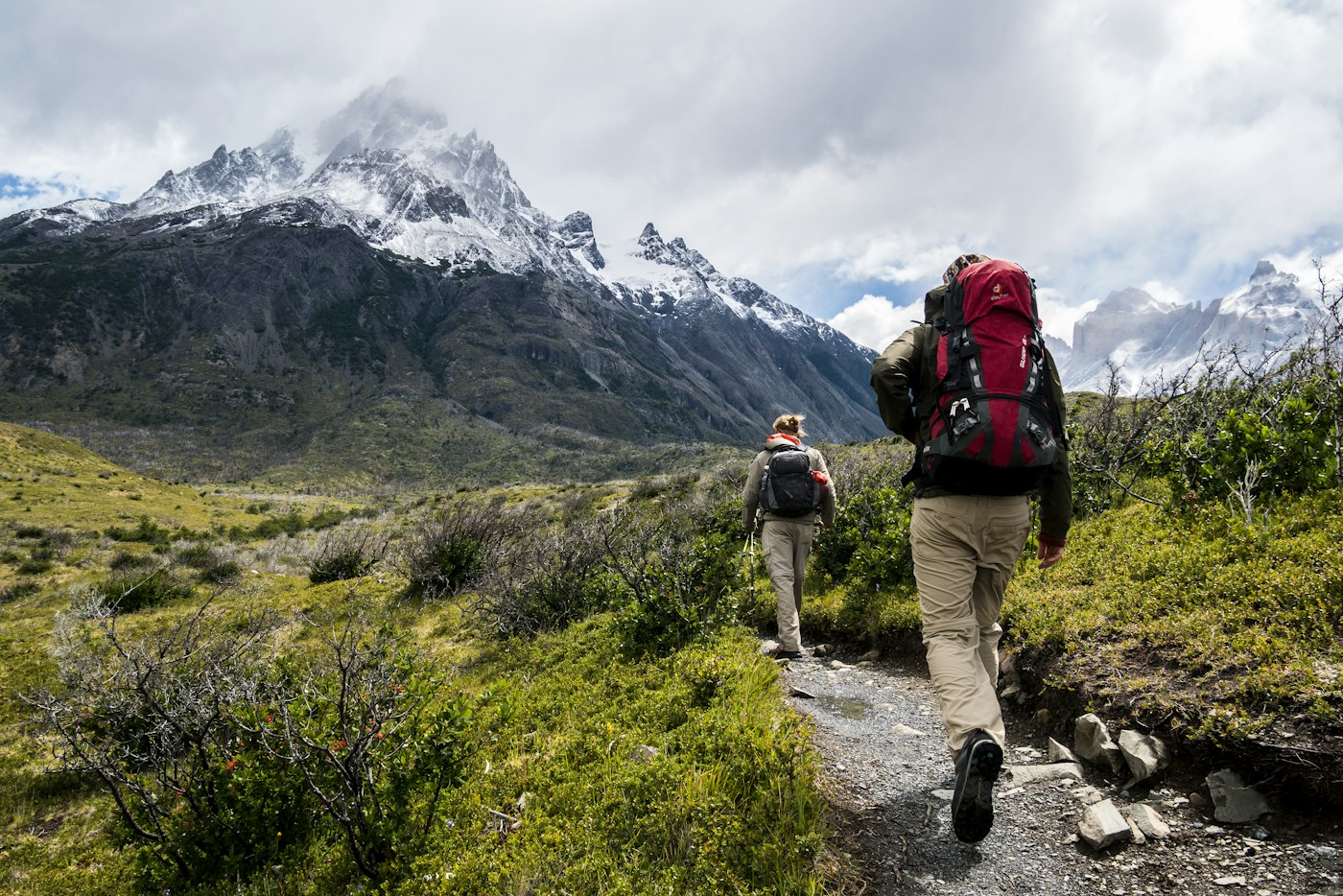
Something fundamental shifted in China's consumer culture during and after the pandemic. Millions of urban professionals who had never hiked a trail, pitched a tent, or laced up a pair of trail runners discovered the outdoors — and they didn't stop when lockdowns ended. What started as a response to restricted travel has become a genuine lifestyle movement, concentrated in China's first- and second-tier cities and spreading fast.
The Chinese government has noticed. The State Council issued a directive in 2025 targeting a 7 trillion yuan ($980 billion) sports economy by 2030, with outdoor activities positioned as a core growth driver. Over 600 billion yuan has been invested in outdoor sports infrastructure, including 371,000 kilometers of fitness trails and expanding campsite networks. This is backed by policy, infrastructure, and a generation of consumers who now consider outdoor gear a lifestyle purchase.
For foreign outdoor equipment brands, the opportunity is significant. Chinese consumers buying hiking boots, climbing harnesses, trekking poles, and trail running shoes are actively seeking international brands with technical credibility and heritage. The market rewards genuine expertise — and penalizes brands that try to coast on marketing alone.
Market Size and Growth
The numbers tell a clear story. China's sports and outdoor e-commerce market reached $55.8 billion in 2024, growing 20% year-on-year. The outdoor equipment segment specifically grew from 67.5 billion yuan in 2019 to over 87 billion yuan in 2023, with industry projections exceeding 100 billion yuan by 2028.
$55.8B
Sports & outdoor e-commerce market (2024), growing 20% YoY
400M+
People in China now participate in outdoor sports activities
87B+ yuan
Outdoor equipment segment (2023), projected to exceed 100B yuan by 2028
2,000–5,000 yuan
Annual per capita spending on outdoor products ($280–$700)

What makes this market different from mature outdoor markets in Europe or North America is the speed of adoption. China compressed decades of outdoor culture development into a handful of years. Consumers are moving rapidly from casual camping and hiking into more technical pursuits — climbing, trail running, alpine trekking — and their equipment purchases are upgrading accordingly.
The market is also shifting from volume to quality. Early pandemic-era outdoor spending was often impulsive — consumers bought tents and camping chairs they used once. The current phase is more considered: repeat participants investing in better gear, seeking technical performance, and developing brand loyalties that will shape the market for years.
What Chinese Outdoor Enthusiasts Actually Do
Understanding which activities drive equipment purchases is essential for foreign brands deciding what to sell and how to position it.
Hiking is the broadest equipment category and the most accessible entry point for foreign brands. Trail running, while smaller in absolute numbers, represents the most enthusiastic and brand-loyal consumer segment — and the fastest-growing one. Camping equipment saw a post-pandemic surge but is now normalizing, with consumers trading up from impulse purchases to quality gear.
Trail Running's Explosion
Trail running deserves special attention because it's the category where foreign brands have the strongest positioning advantage and where consumer spending per capita is highest.

The catalyst was UTMB (Ultra-Trail du Mont-Blanc). As UTMB gained visibility in China through social media and a growing community of Chinese ultra-runners competing internationally, trail running transformed from a niche pursuit into an aspirational sport. Chinese trail running events have multiplied — from a handful of organized races a decade ago to hundreds of events annually, including multi-stage mountain races that draw thousands of participants.
The trail running consumer in China is typically urban, well-educated, and willing to invest heavily in equipment. A serious trail runner's annual gear spend — shoes, hydration vest, technical apparel, GPS watch, nutrition — can easily exceed 10,000 yuan. These consumers research obsessively on Little Red Book (Xiaohongshu), follow international race results, and know exactly which shoe models won which races.
Competitive Landscape
China's outdoor equipment market is stratified into three tiers, each with different competitive dynamics.
Premium International
Arc'teryx is the defining brand in this tier. It has achieved a status in China that goes beyond outdoor functionality — it's become a lifestyle and status symbol, particularly among urban professionals. The North Face, Salomon, Mammut, and Patagonia also command strong positioning. These brands have set the quality and pricing benchmarks that Chinese consumers use to evaluate all outdoor equipment.
Mid-Range Domestic
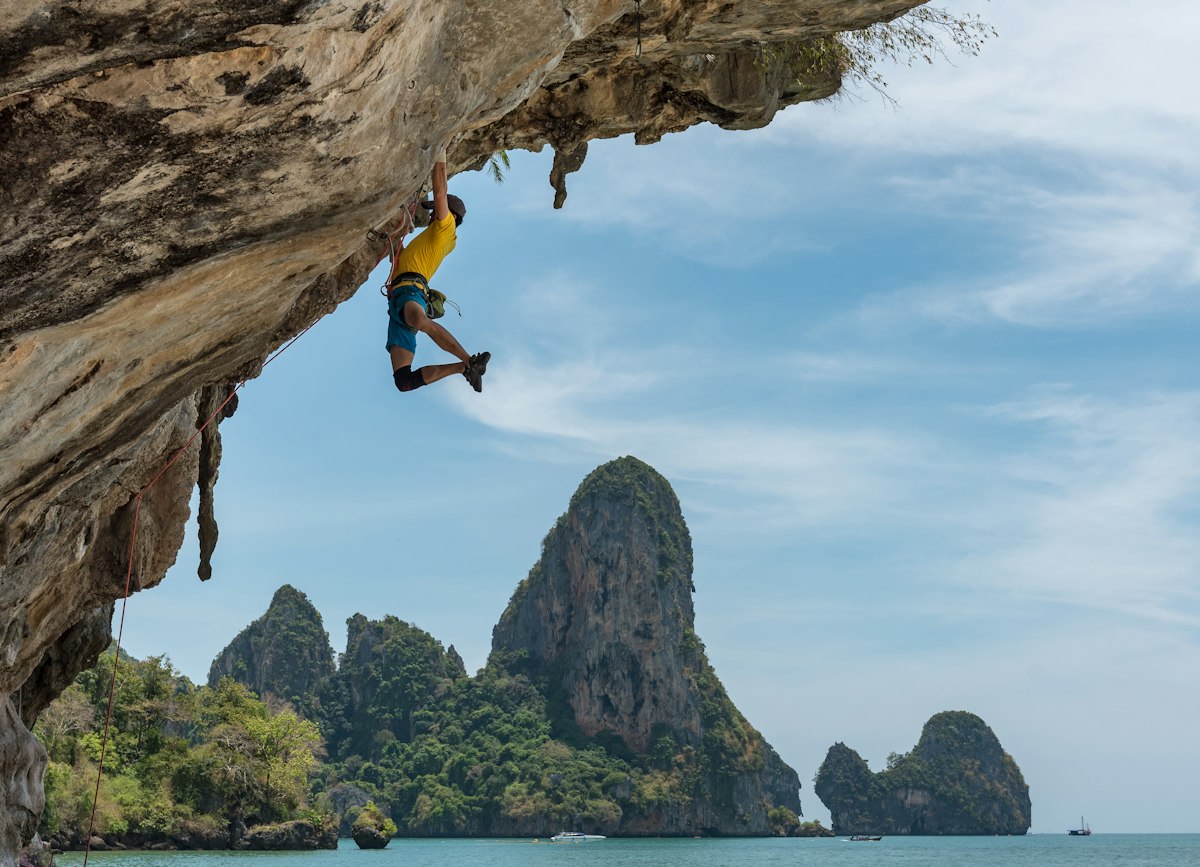
Chinese brands like Kailas, Pelliot, and Toread have grown significantly in recent years. Kailas is particularly noteworthy — it has built credibility through genuine climbing heritage (sponsoring expeditions, supporting climbing communities) while also tapping into mainstream fashion trends. These brands compete primarily on value and local market understanding, but their technical capabilities are improving rapidly.
Mass Market
Decathlon dominates the entry-level segment with aggressive pricing and widespread retail presence. For first-time outdoor participants buying their initial gear, Decathlon is often the default choice. Foreign brands targeting China should generally avoid competing in this tier — the margins are thin and the competition is fierce.
Why Foreign Outdoor Brands Have a Trust Advantage
In few consumer categories does “foreign” carry as much inherent credibility as in outdoor equipment. Chinese consumers associate international outdoor brands — particularly European and North American ones — with genuine mountain heritage, decades of R&D, and proven performance in extreme conditions. This trust advantage is real and monetizable.

The logic is intuitive: a brand that was born in the Alps, tested on Patagonian peaks, or developed for Scandinavian winters carries a story that Chinese domestic brands struggle to replicate. Heritage matters. Consumers want to know that the brand behind their climbing harness or trail shoe has actual roots in the activity, not a marketing team that adopted the aesthetic.
For niche specialist brands — those focused specifically on climbing gear, ultra-trail equipment, alpine skiing, or mountaineering — the advantage is even stronger. China's outdoor community has deep respect for brands that do one thing exceptionally well. A Swedish brand that makes the world's best trekking poles, or an Italian brand that dominates mountain running shoes, can command premium prices and fierce loyalty from a smaller but highly valuable consumer segment.
Certification Requirements and CBEC Entry
One of the reasons outdoor equipment is an attractive CBEC category is the relative simplicity of the regulatory pathway. Unlike electronics (which require CCC certification) or cosmetics (which require NMPA registration), most outdoor equipment falls into categories with lighter compliance requirements.
What Doesn't Need CCC
The vast majority of outdoor gear does not require CCC (China Compulsory Certification):
- Backpacks, bags, and packs — no certification required
- Trekking poles and hiking accessories — no certification required
- Tents and shelters — no certification required
- Footwear (hiking boots, trail shoes) — no CCC, though quality standards apply
- Apparel (jackets, base layers, rain gear) — no CCC for most items
- Climbing hardware (carabiners, harnesses, ropes) — no CCC, though safety standards may apply for general trade
What May Need Attention
- GPS devices and electronics — may require SRRC (radio equipment certification) if they contain wireless transmitters
- Headlamps and powered devices — lithium battery regulations apply for shipping and storage
- Camping stoves using gas canisters — may face restrictions depending on fuel type
For most outdoor equipment brands, CBEC through bonded warehouses on Tmall Global or JD Worldwide is the fastest and lowest-risk entry path. Products ship from bonded zones with simplified customs procedures and without the need for a domestic business entity. The setup timeline is typically 8–12 weeks from store application to live listings.
Platform Strategy
Platform selection for outdoor equipment follows a similar logic to other consumer categories, but with some important nuances driven by the visual and community-oriented nature of outdoor sports.
Tmall Sports and Outdoors
Tmall's Sports and Outdoors category is the primary platform for outdoor equipment CBEC. It offers the largest organic search volume for outdoor-related keywords, dedicated category merchandising during key shopping festivals, and the strongest brand-building infrastructure. Most foreign outdoor brands should launch here first.
Product listings need to be technically detailed — Chinese outdoor consumers read specifications carefully. Include materials, weight, waterproof ratings, temperature ranges, and intended use cases. High-quality product photography is essential, but so are in-context lifestyle images showing the gear in actual outdoor settings.
JD Sports
JD's strength for outdoor equipment is logistics speed and a consumer base that skews toward considered purchases. JD's own warehouse network can deliver faster than Tmall's bonded warehouse model in some regions, which matters for pre-trip purchases where timing is tight. JD also has a strong sports and fitness community that's receptive to technical product content.
Douyin
Douyin has become a significant sales channel for outdoor equipment, driven by content that's inherently visual and aspirational. Live streams from mountain trails, gear review videos, and “what's in my pack” content perform exceptionally well. Douyin's algorithm rewards engaging outdoor content, making it possible for niche brands to gain significant visibility without massive advertising budgets.
| Platform | Strength | Best For |
|---|---|---|
| Tmall Sports | Search volume, brand building, campaigns | Primary store, flagship presence |
| JD Sports | Logistics speed, tech-savvy consumers | Secondary channel, fast fulfillment |
| Douyin | Content-driven discovery, live commerce | Brand awareness, aspirational purchases |
| Little Red Book | Community, reviews, UGC | Pre-purchase research, credibility |
Marketing and Community Building
Outdoor equipment marketing in China is fundamentally community-driven. The most effective brands become part of the outdoor community's identity.

Little Red Book (Xiaohongshu)
Little Red Book (Xiaohongshu) is where Chinese outdoor enthusiasts research gear, share trip reports, and discuss equipment performance. The platform's outdoor community is knowledgeable, passionate, and influential. For foreign brands, seeding content through outdoor KOCs (Key Opinion Consumers) — real hikers, climbers, and runners with followings of 5,000–50,000 — is the most cost-effective awareness strategy.
Content that resonates: detailed gear reviews after actual trips, side-by-side comparisons with competing products, “what I packed” lists for specific trails or destinations, and behind-the-scenes content about how the gear is designed and tested.
Douyin Content Strategy
Douyin outdoor content works best when it's immersive. First-person trail running footage, mountain summit videos, and “gear test in extreme conditions” content consistently outperforms traditional product demos. Live commerce sessions are most effective when the host is a credible outdoor athlete or guide, not a studio presenter.
Event Sponsorship and Community
Sponsoring trail running events, climbing meetups, or hiking group activities creates authentic touchpoints with high-intent consumers. China's trail running race calendar has expanded enormously — there are events across the country, from Yunnan's high-altitude trails to the desert routes of Gansu. Even small sponsorships can generate significant word-of-mouth in a community that values gear authenticity.
Building an Outdoor Brand in China for the Long Term
The Chinese outdoor market rewards patience and consistency. The brands that will own this market in five years are the ones building foundations now.
Start with your strongest product line. Don't try to bring your entire catalog to China on day one. Choose the products where your technical advantage is clearest and your brand story is strongest. A trail running brand should lead with its flagship shoe, not its casual hiking sandal. A climbing brand should lead with its hardgoods, not its lifestyle apparel.
Invest in Chinese-language content that matches your expertise. Your product descriptions, brand story, and marketing content need to reflect the same technical depth that earned your reputation in your home market. Don't dumb it down for the Chinese market — Chinese outdoor enthusiasts are at least as knowledgeable as their counterparts anywhere else in the world.
Build a WeChat community. Once customers have purchased, WeChat is where you retain them. Group chats with gear tips, early access to new products, and connections with other users create the kind of brand loyalty that transcends individual product cycles.
Plan for 12–18 months before profitability. The outdoor market in China is growing fast enough to support significant returns, but initial investment in store setup, inventory, content creation, and community building takes time to pay back. Brands that commit to this timeline consistently outperform those looking for quick returns.
Frequently Asked Questions
How big is China's outdoor equipment market?
China's sports and outdoor e-commerce market reached $55.8 billion in 2024, growing 20% year-on-year. The outdoor equipment segment specifically grew from 67.5 billion yuan in 2019 to over 87 billion yuan in 2023, with projections exceeding 100 billion yuan by 2028. Over 400 million people in China now participate in outdoor sports.
Do outdoor equipment brands need CCC certification to sell in China?
Most outdoor equipment — backpacks, trekking poles, tents, climbing gear, and trail running shoes — does not require CCC (China Compulsory Certification). CCC primarily applies to electrical products, automotive parts, and certain safety equipment. Outdoor gear can typically enter China through CBEC without mandatory product certification, though quality and safety standards still apply.
Which platforms are best for selling outdoor equipment in China?
Tmall Sports and Outdoors is the primary platform for brand building and organic discovery. JD Sports offers strong logistics and a tech-savvy consumer base. Douyin is increasingly important for outdoor content-driven commerce, with live streams from trails and mountains driving significant sales. Little Red Book (Xiaohongshu) serves as the key discovery and community platform for outdoor enthusiasts.
What outdoor activities are most popular in China?
Running leads at 58% participation, followed by hiking at 52%, cycling at 43%, camping at 33%, and fishing at 16%. Trail running and marathon running each account for 12% of participants. Trail running is the fastest-growing segment, driven by UTMB's popularity and a growing community of ultra-distance runners in tier 1 and 2 cities.
Do foreign outdoor brands have an advantage in China?
Yes. Foreign outdoor brands — particularly European and North American ones — carry strong trust and aspirational value among Chinese consumers. Brands with genuine heritage in climbing, trail running, or mountaineering can command premium pricing and loyal followings that domestic competitors struggle to replicate.
Ready to Bring Your Outdoor Brand to China?
Shanghai Jungle helps foreign outdoor equipment brands navigate CBEC entry, platform strategy, and community building in China's fastest-growing consumer category.
- Cross-border e-commerce setup on Tmall and JD
- KOL and community marketing on Douyin and Little Red Book (Xiaohongshu)
- End-to-end operations from store launch to daily management

“We help foreign brands build real outdoor businesses in China — from first market research to daily store operations.”— Shanghai Jungle, Est. 2013