
Sell on Tmall with an
official Tmall Partner
We help foreign brands launch and manage flagship stores on Tmall and Tmall Global — from store registration and design to daily operations, advertising, and influencer marketing. International leadership, Shanghai execution.
China's default platform
for premium brands
Tmall is where Chinese consumers go to buy premium, imported products. If you're serious about selling in China, Tmall isn't optional — it's essential.
Tmall reached 1 billion active buyers in China in 2025, with over 4,100 brands achieving 100+ million RMB in transactions and 18% year-on-year growth.
Tmall is the default platform for premium brands and responsible for nearly half of China's e-commerce sales. For foreign brands entering China, Tmall is the starting point.
Tmall vs. Tmall Global
Alibaba operates two marketplaces that matter for foreign brands. They look identical to shoppers, but the requirements for sellers are very different — and choosing the wrong one can cost you months and tens of thousands of dollars.
Tmall Global
Alibaba's cross-border e-commerce platform, built specifically for international brands. Sell to Chinese consumers without setting up a Chinese company or obtaining local product registrations. Products ship from bonded warehouses or directly from overseas.
Tmall (Domestic)
The standard marketplace for brands with a Chinese legal entity. Access a larger buyer pool and faster delivery, but requires a registered company in China, completed product registrations (NMPA, Blue Hat, etc.), and local warehousing.
Which one fits your brand?
Tmall Global is right for you if…
- You don't have a Chinese company and don't want to set one up yet
- Your products haven't gone through Chinese regulatory registration (NMPA, Blue Hat, etc.)
- You want to test the China market before committing to full local operations
- You sell cosmetics, supplements, food, or other categories where domestic registration is complex
- You prefer to ship from a bonded warehouse or directly from your home market
Tmall Domestic is right for you if…
- You already have a WFOE or a Chinese joint venture
- Your products are already registered and approved for sale in China
- You're in a category where domestic sellers dominate and cross-border shipping is a disadvantage
- You're ready for a larger upfront investment in exchange for access to a broader buyer base
| Fee Type | Tmall Global | Tmall Domestic |
|---|---|---|
| Security Deposit | $8,000 – $25,000Varies by category, refundable | ¥50,000 – ¥150,000Varies by category, refundable |
| Annual Technical Service Fee | $5,000 – $10,000 | ¥0 |
| Platform Commission | 2% – 5%Per transaction, by category | 2% – 5%Per transaction, by category |
These are platform fees only. Agency services — market research, store design, product listing, ongoing operations, and advertising management — are separate.
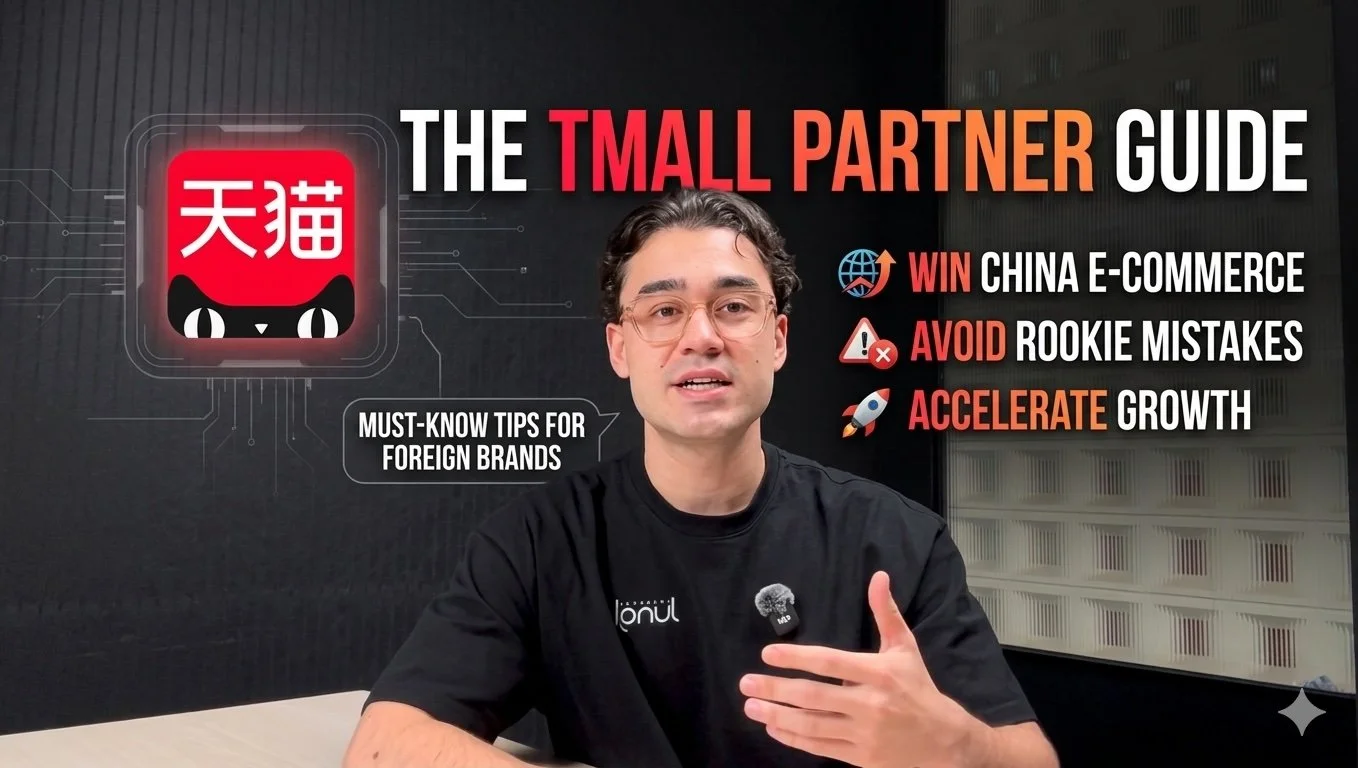
What does a Tmall Partner actually do?
Store ownership, services, costs, and red flags — everything foreign brands need to know before choosing a TP. Watch our full video explainer or read the deep dive.
Watch the full guide12 years' experience.
100+ satisfied customers.
Helping foreign brands sell in China since 2013. Our Shanghai team handles everything from trademark registration and store setup to daily customer service, campaign management, and logistics coordination.
International leadership. Local execution. One partner for your entire China e-commerce operation — no middlemen, no scattered vendors.


What We Do
From initial assessment to daily store operations — here's how we take your brand from zero to live on Tmall.
Phase 1: Assessment & Strategy
We start by evaluating whether Tmall is the right platform for your brand, your category, and your budget. We research your competitive landscape on Tmall, identify pricing benchmarks, and map out a realistic launch plan.
We'll give you an honest assessment of whether Tmall is right for your brand and budget. Not every product fits. If yours doesn't, we'll tell you before you spend anything.
Market assessment, platform recommendation (Tmall Global vs. domestic), competitive analysis, launch roadmap, and budget estimate.
Phase 2: Registration & Store Setup
All communication with Tmall is primarily in Chinese — applications, documentation, platform correspondence, and troubleshooting.
We handle the full registration process: Tmall store application, business documentation, and all back-and-forth with Alibaba's review team. We also set up your store's back-end systems, payment processing, and logistics connections.
Tmall store approval, back-end configuration, payment and logistics setup.
Phase 3: Store Design & Product Launch
We design your flagship store from the ground up and create localized product listings that work for Chinese consumers — not direct translations of your existing content.
We don't use templates. Each store is designed from scratch based on your brand identity and your competitive category on Tmall.
Custom storefront design, localized product pages with Chinese copywriting, hero banners, and campaign-ready creative assets.
Phase 4: Operations & Growth
Once your store is live, our Shanghai team manages day-to-day operations: inventory management, customer service in Chinese, campaign planning, advertising, and participation in shopping festivals like Singles' Day (11.11), 6.18, and Double 12.
You get weekly performance reports in English with actionable recommendations.
Daily store operations, Chinese-language customer service, campaign management, paid advertising, weekly English-language performance reports.
What makes us different
from other Tmall Partners
International leadership, Chinese execution
Our leadership team is international. Our operations team is in Shanghai. You get global business standards combined with native Chinese execution — no lost-in-translation moments, no cultural gaps in how your brand is represented.
Honest assessment over revenue
We'd rather tell you Tmall isn't right for your brand than take your money and watch you fail. If your product, budget, or timeline doesn't fit, we'll say so upfront — before you spend anything.
You own everything
Your trademark, your store, your customer data, your ad accounts — all registered in your name. If you ever decide to switch agencies or bring operations in-house, you take everything with you. No lock-in.
Senior-managed accounts
Your brand is managed by senior team members, not handed off to juniors after the sales call. Every client gets direct access to the people doing the work.
What does it cost
to sell on Tmall?
Selling on Tmall involves two categories of cost: platform fees paid to Alibaba, and agency fees paid to your Tmall Partner.
Platform Fees
Platform fees include the security deposit, annual technical service fee, and per-transaction commission. Full breakdown in the comparison table above.
Agency Fees
These cover the work we do on your behalf. Scope varies and fees are quoted individually based on your needs:
Market Research & Assessment
Competitive analysis, category research, platform recommendation
Store Setup
Registration, trademark filing, store design, product listing creation
Ongoing Store Management
Daily operations, customer service, inventory coordination, campaign management
Advertising & Marketing
Tmall paid ads (Zhitongche, Pinxiaobao), campaign creative, shopping festival participation
Categories we specialize in
Active experience across verticals with distinct regulatory, logistics, and consumer behavior requirements on Tmall.
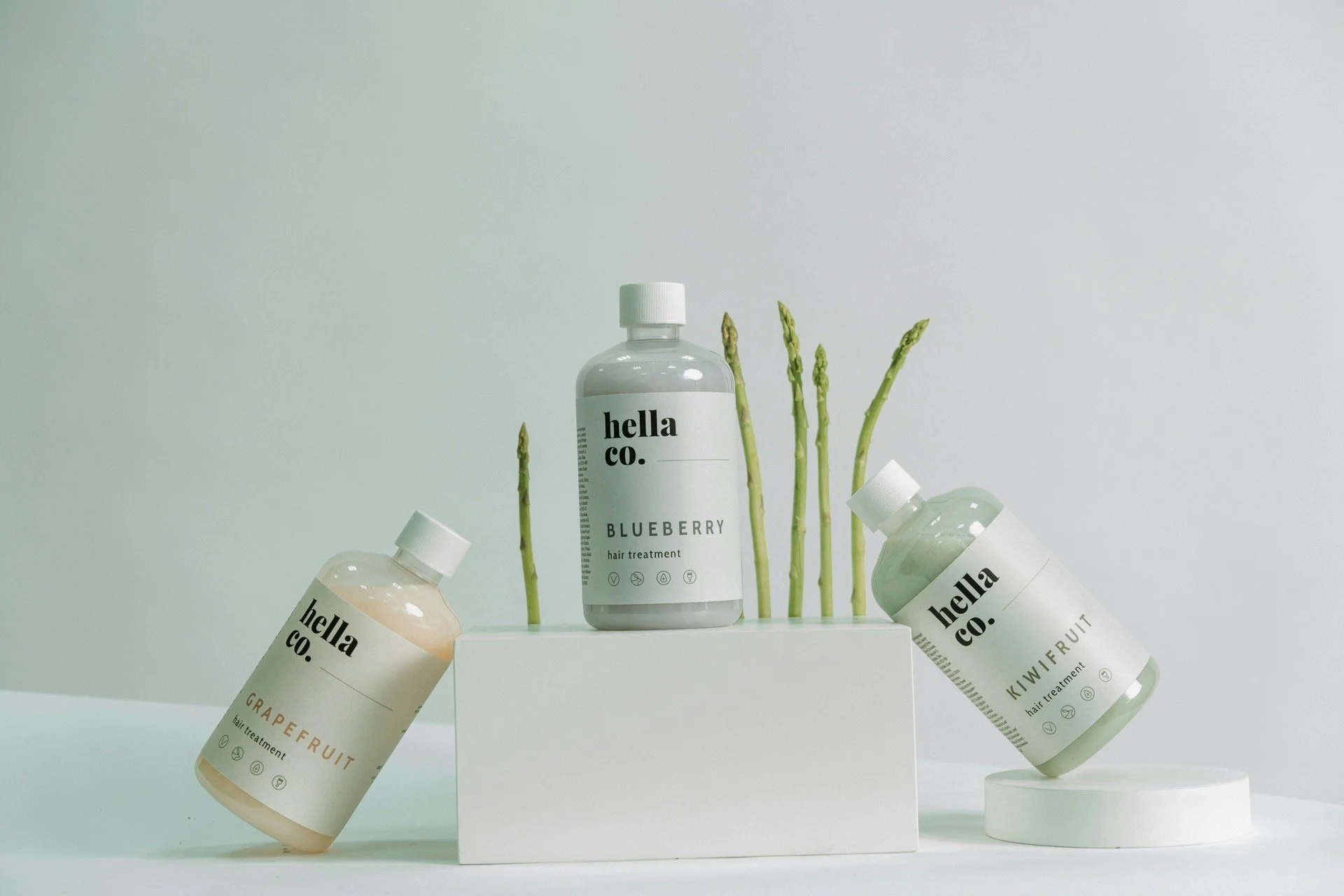
Cosmetics & Beauty
NMPA requirements, cross-border advantages, key platforms, and what's working for foreign beauty brands on Tmall.

Perfume & Fragrance
China's fast-growing niche fragrance market — how foreign brands are capturing the shift from mass to artisan scents on Tmall.
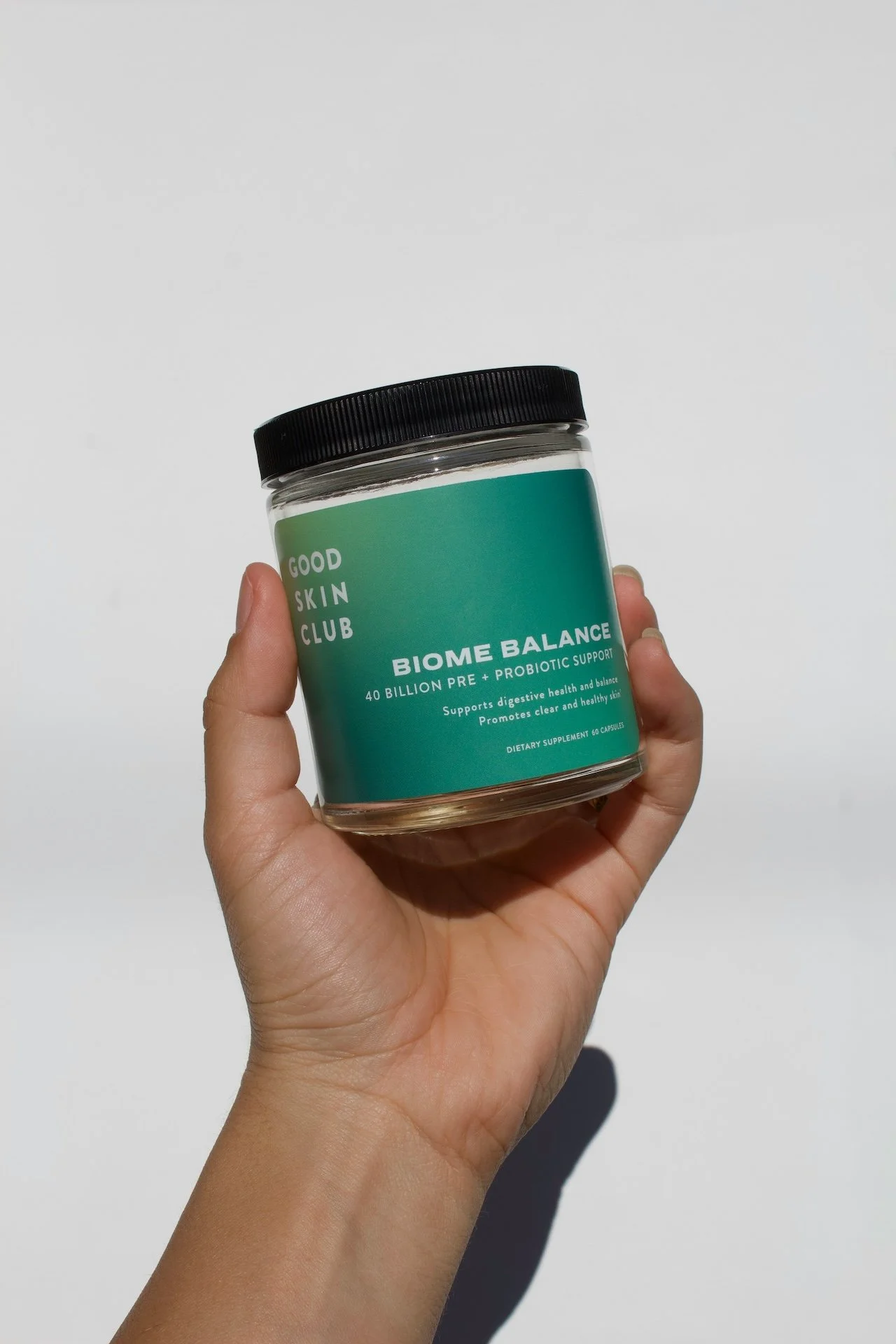
Health Supplements
Blue Hat registration, CBEC positive list, high-growth categories, and why Tmall Global cross-border is the preferred entry model.

Pet Care
China's booming pet market — premiumization trends, platform dynamics, and how foreign pet brands are gaining share on Tmall.

Mother & Baby
Trust-driven purchasing, premium imported products, and the regulatory landscape for baby food and care products.

Consumer Goods, Home & Fashion
The expanding premium segment in home goods and fashion — how foreign lifestyle brands are finding their audience on Tmall.
Common questions about selling on Tmall
Quick answers to the questions we hear most from brands considering Tmall.
Not necessarily. Tmall Global is Alibaba's cross-border e-commerce platform built specifically for international brands. You can sell to Chinese consumers without setting up a Chinese company or obtaining local product registrations. Products ship from bonded warehouses or directly from overseas. If you already have a WFOE or Chinese joint venture, you can sell on domestic Tmall instead.
For cross-border (Tmall Global), a typical timeline is 8–12 weeks from contract to live store — including trademark registration, store application, product listings, and design. A domestic Tmall store with a WFOE takes longer due to entity setup, usually 4–6 months total.
Costs include platform fees paid to Alibaba (security deposit, annual technical service fee, and per-transaction commission) plus agency fees for market research, store setup, ongoing operations, and advertising. Total first-year platform fees for Tmall Global typically range from $10,000–$35,000 depending on category. Agency fees are quoted individually based on scope.
Tmall is the domestic marketplace for brands with a Chinese legal entity. Tmall Global is the cross-border platform for international brands without a Chinese company. Both look identical to shoppers, but seller requirements differ significantly. Tmall Global has lower barriers to entry but slightly higher per-unit costs, while domestic Tmall offers access to a larger buyer pool and faster delivery.
Yes, but it's important to understand what that transition involves. Switching from Tmall Global to domestic Tmall means registering an entirely new store — your existing sales history, customer reviews, and store ratings cannot be transferred. You're essentially starting from scratch on the new platform.
That said, many brands still follow this path strategically: start cross-border to validate product-market fit and build market knowledge, then open a domestic store once you've established a Chinese entity and completed product registrations. Just plan for the reset and factor it into your timeline.
It depends on your category, price point, and target consumer. Tmall is the default for sales. Douyin and Little Red Book (Xiaohongshu) drive discovery and content commerce. JD is strong for electronics and FMCG. We recommend a platform mix based on your specific situation — not a one-size-fits-all approach.
Deep dives
In-depth guides on specific Tmall topics — from costs and store setup to choosing a Tmall Partner.
How Much Does Tmall Cost?
A full breakdown of fees, deposits, and hidden costs for selling on Tmall and Tmall Global.

How to Choose a Tmall Partner
What to look for, what to avoid, and the questions that matter when selecting a TP agency.
How to Set Up a Tmall Store
The full process from application to first sale — what to prepare, what to expect, and how long it takes.
Distributor vs. First-Party Presence
Why most distributors fail foreign brands in China, and when to take direct control of your Tmall entry.

Chinese Digital Platforms Guide
A comprehensive overview of China's digital ecosystem — Tmall, JD, Douyin, Little Red Book, WeChat, and Weibo.

China Market Entry Checklist
Everything foreign brands need to enter China — guides, checklists, entry models, platform breakdowns, and industry insights.
Ready to sell
on Tmall?
Tell us about your brand and your ambitions. We'll assess your product-market fit and recommend a realistic path forward — no obligation.