Coffee Capsules in China: Nespresso, Dolce Gusto, and the Compatibility Market
Coffee Capsules in China: Nespresso, Dolce Gusto, and the Compatibility Market
China's capsule coffee market is growing fast, driven by convenience-seeking urban consumers and an expanding ecosystem of machines, formats, and brands. Here is how foreign capsule brands can enter this market.

China's Coffee Capsule Market: Scale and Growth
Coffee capsules have become one of the fastest-growing segments in China's booming coffee market. The China coffee pods and capsules market was valued at approximately USD 1.5 billion in 2024 and is projected to reach over USD 3 billion by 2033, expanding at a CAGR of 8.1%. Within this market, Nespresso-format capsules alone accounted for an estimated USD 2.3 billion in China in 2024, growing at a CAGR of 9.7%.
This growth is driven by several converging trends. China's overall coffee consumption is growing at approximately 15% annually. Urban consumers, particularly millennials and Gen Z in tier-1 and tier-2 cities, are adopting capsule coffee as a convenient, consistent, and relatively affordable alternative to daily coffee shop visits. The installed base of capsule machines is expanding rapidly, creating a growing annuity-style market for capsule refills.
China's Coffee Culture: Not Traditional, but Enormous
China is not traditionally a coffee-drinking country. Tea has dominated for millennia. But that is changing fast. The young, urban generation in tier-1 and tier-2 cities has fallen in love with coffee. Shanghai alone has more coffee shops than any other city in the world, surpassing New York, London, and Tokyo. Walk through any commercial district in Shanghai, Shenzhen, or Beijing and you will pass a coffee shop every few hundred meters.
Most Chinese coffee drinkers buy from coffee shops, grabbing a latte on the way to work or ordering cheap delivery through apps like Meituan. But coffee shop prices are still expensive relative to average Chinese salaries. A daily coffee habit at RMB 15–30 per cup adds up quickly. So consumers look for cheaper alternatives at home. The first step down is instant coffee, which remains the largest segment by volume. But a meaningful and growing segment of consumers want something better than instant, and that is where capsule coffee sits.
Capsule coffee occupies the sweet spot: significantly cheaper per cup than a coffee shop visit, but dramatically better in quality and experience than instant coffee. It is the affordable upgrade for urban consumers who have developed a taste for real espresso but cannot justify a daily RMB 20+ coffee shop habit.
The Capsule Ecosystem: Formats and Systems
Understanding the capsule ecosystem is essential for positioning your brand in China. The market is structured around several distinct machine systems, each with its own capsule format, consumer base, and competitive dynamics.
Nespresso Original Line
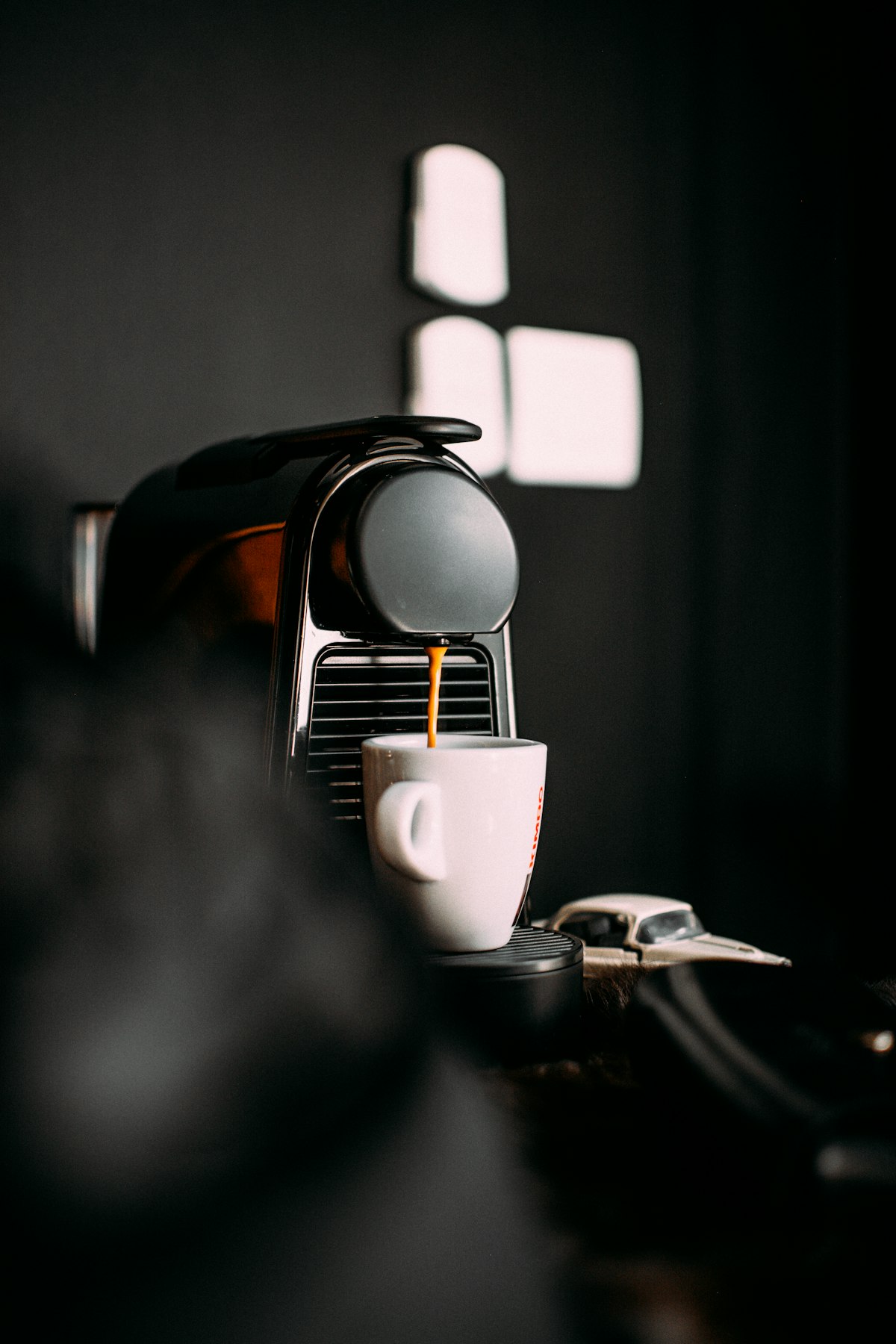
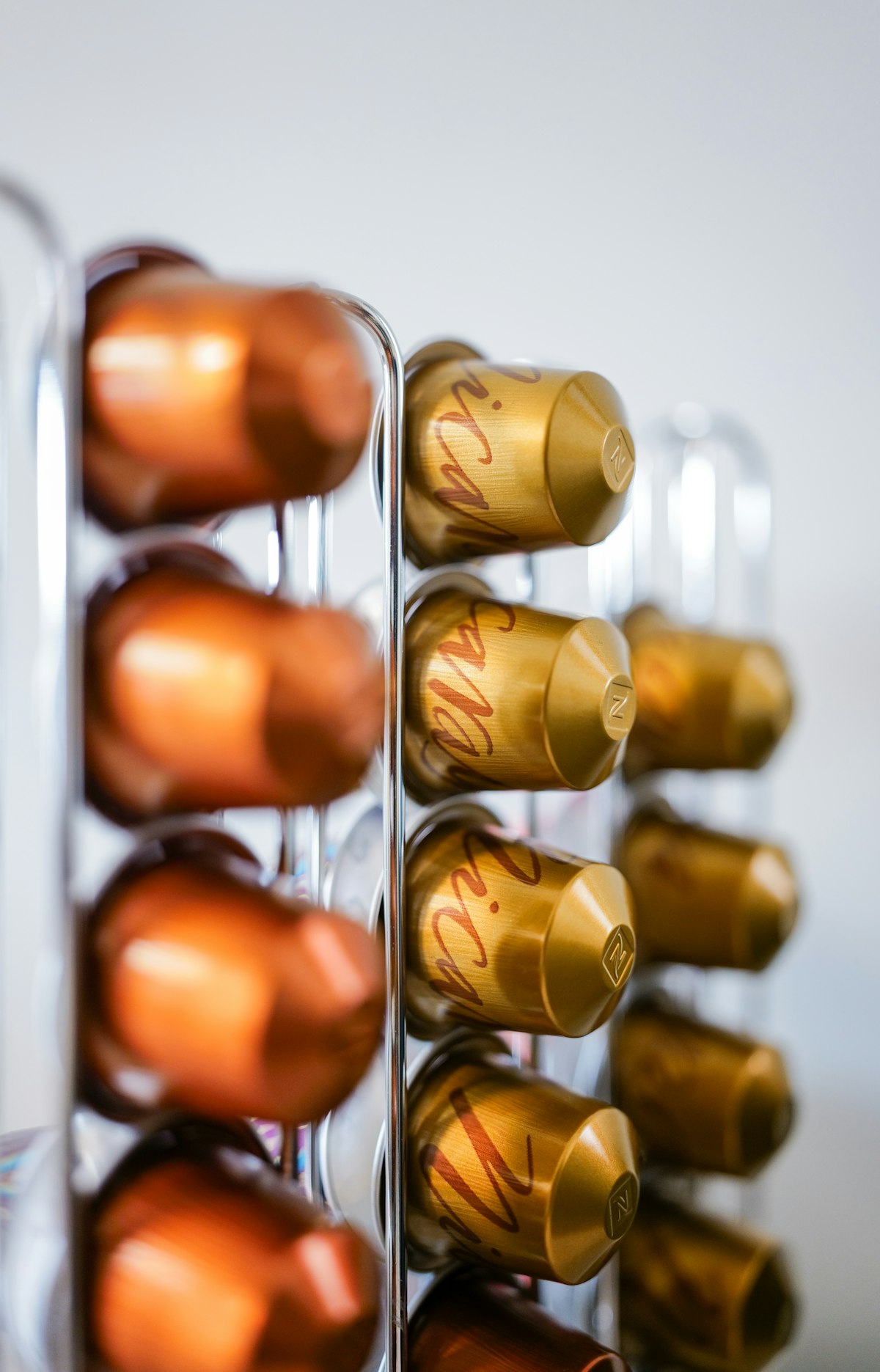
The Nespresso Original system remains the premium benchmark in China's capsule market. Nespresso's brand prestige, boutique retail presence, and marketing investment have established a strong consumer base among affluent, quality-conscious coffee drinkers. The Original Line format has also spawned a massive compatible capsule market, and this is where the biggest opportunity lies for foreign brands.
Nespresso Vertuo
The Vertuo system entered the Asia-Pacific region in 2016 and has been expanding in China. Vertuo capsules use a barcode-based brewing system that adjusts extraction parameters for each capsule, limiting third-party compatibility. This makes the Vertuo ecosystem more closed and less attractive for independent capsule brands targeting the compatibility market.
Dolce Gusto
Nescafé Dolce Gusto occupies the mid-range segment, appealing to consumers who want variety (coffee, tea, hot chocolate, specialty drinks) at a lower price point than Nespresso. Dolce Gusto machines are widely available in China, and the format supports compatible capsules, though the compatible market is smaller than for Nespresso Original.
illy iperEspresso
illy's proprietary iperEspresso system has a niche but loyal following in China, particularly among Italian coffee enthusiasts. The closed system limits third-party compatibility, making this primarily an illy-only ecosystem.
ESE Pods and Other Formats
ESE (Easy Serving Espresso) pods and emerging paper-based formats have a small but growing presence. Environmentally conscious consumers are showing interest in compostable and biodegradable alternatives to aluminum and plastic capsules.
The Nespresso-Compatible Capsule Opportunity
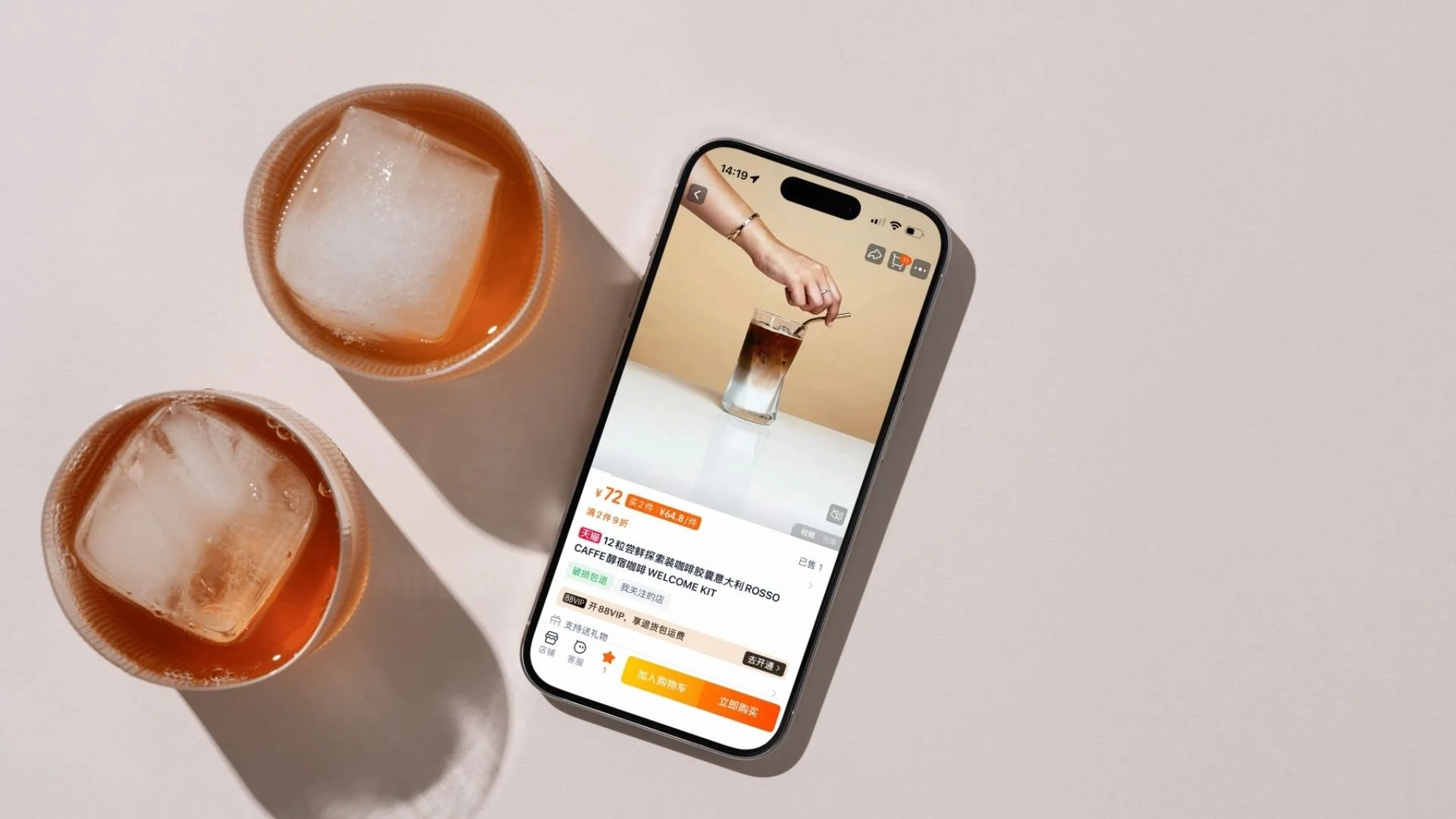
The Nespresso-compatible capsule market is where the biggest opportunity exists for foreign brands entering China. As the installed base of Nespresso Original machines grows, a large and expanding consumer segment is actively seeking alternatives to Nespresso's own capsules, driven by price, flavor variety, origin diversity, and sustainability considerations.
Why Compatibles Are Growing
- Price advantage. Nespresso's official capsules in China are premium-priced. Compatible capsules from quality brands can offer 30–50% savings per cup while delivering comparable or differentiated flavor profiles.
- Flavor and origin variety. Chinese consumers are increasingly interested in single-origin coffees, specialty roasts, and unique flavor profiles that Nespresso's standard range may not cover. Independent brands can compete on variety and storytelling.
- Sustainability. Younger Chinese consumers are showing growing preference for brands with environmental credentials. Biodegradable, compostable, or recyclable capsule options provide meaningful differentiation.
- Discovery and experimentation. The Chinese coffee market is still maturing, and consumers enjoy exploring new brands and flavors. Variety packs and sampler sets are particularly popular for first-time purchases.
Consumer Preferences and Buying Behavior
Understanding how Chinese consumers discover, evaluate, and purchase coffee capsules is essential for building an effective market entry strategy.
Flavor Preferences
Chinese capsule coffee consumers tend to favor medium to medium-dark roasts with smooth, balanced flavor profiles. However, there is a growing segment of specialty-oriented consumers who appreciate lighter roasts, single-origin capsules, and more complex flavor notes. Intensity ratings (similar to Nespresso's 1–13 scale) are an effective way to communicate flavor strength to Chinese consumers.
Origin Storytelling
Country and region of origin significantly influence purchase decisions. Italian, Swiss, and French capsule brands carry strong premium associations. Single-origin capsules (Ethiopian, Colombian, Guatemalan) are growing in appeal among more educated coffee consumers. Effective product packaging and listing content should prominently feature origin information.
Pack Sizes and Variety
Variety packs and sampler sets are highly effective for customer acquisition. Chinese consumers prefer to try multiple flavors before committing to larger quantities. Once a preferred flavor or brand is established, larger box sizes (20, 40, or 50 capsules) become the replenishment purchase.
Gifting
Coffee capsule gift sets, particularly during Chinese New Year, Mid-Autumn Festival, and Double 11, are an underexploited opportunity. Premium packaging, curated variety selections, and limited-edition seasonal flavors can drive significant gifting revenue.
Replenishment and Loyalty
Capsule coffee is inherently a repeat-purchase category. While traditional subscription models face challenges on Chinese e-commerce platforms (subscription commerce is less established than in Western markets), platform-based replenishment features, such as Tmall's auto-reorder functionality, offer an alternative for building recurring revenue.
Competitive Landscape
China's capsule coffee market features a mix of global brands, regional players, and emerging Chinese competitors. Understanding the competitive dynamics helps identify positioning opportunities.
Nespresso
The dominant player in China's premium capsule market. Nespresso's brand, retail presence, and marketing spend set the standard. Their boutique stores in tier-1 cities serve as brand experience centers. Nespresso's pricing also creates a price umbrella under which compatible brands can position themselves as premium-quality, better-value alternatives.
Starbucks Capsules
Starbucks' Nespresso-compatible capsule line uses the brand's massive recognition in China. Available on both Tmall and JD, Starbucks capsules occupy the premium-accessible segment, familiar enough for mainstream consumers, priced slightly below Nespresso.
European Specialty Brands
Brands like L'OR, Café Royal, Belmio, and others are present on Chinese cross-border platforms. These brands compete on European heritage, roasting quality, and flavor variety. There is significant room for additional entrants, as the Chinese market is far less saturated than Europe.
Chinese Domestic Brands
Chinese coffee brands, including Saturnbird (primarily drip bags but expanding), Yongpu, and emerging capsule-specific brands, are entering the capsule space. They compete on price, localized flavors, and aggressive social media marketing. However, for the Nespresso-compatible segment specifically, Chinese consumers still show a strong preference for imported brands due to perceived quality and authenticity.
Luckin Coffee: The Undisputed Chinese Champion
No discussion of China's coffee competitive landscape is complete without addressing Luckin Coffee. Luckin is the dominant force in Chinese coffee. As of the end of 2025, Luckin operates over 31,000 stores across China (for comparison, Starbucks China has roughly 7,000). The company reported RMB 49.3 billion (approximately USD 7 billion) in revenue for fiscal year 2025, a 43% year-over-year increase, with 94 million average monthly transacting customers. Luckin opened over 8,700 new stores in 2025 alone.
31,000+
Stores across China (EOY 2025)
$7B
Annual revenue (FY2025)
+43%
Year-over-year revenue growth
94M
Monthly transacting customers
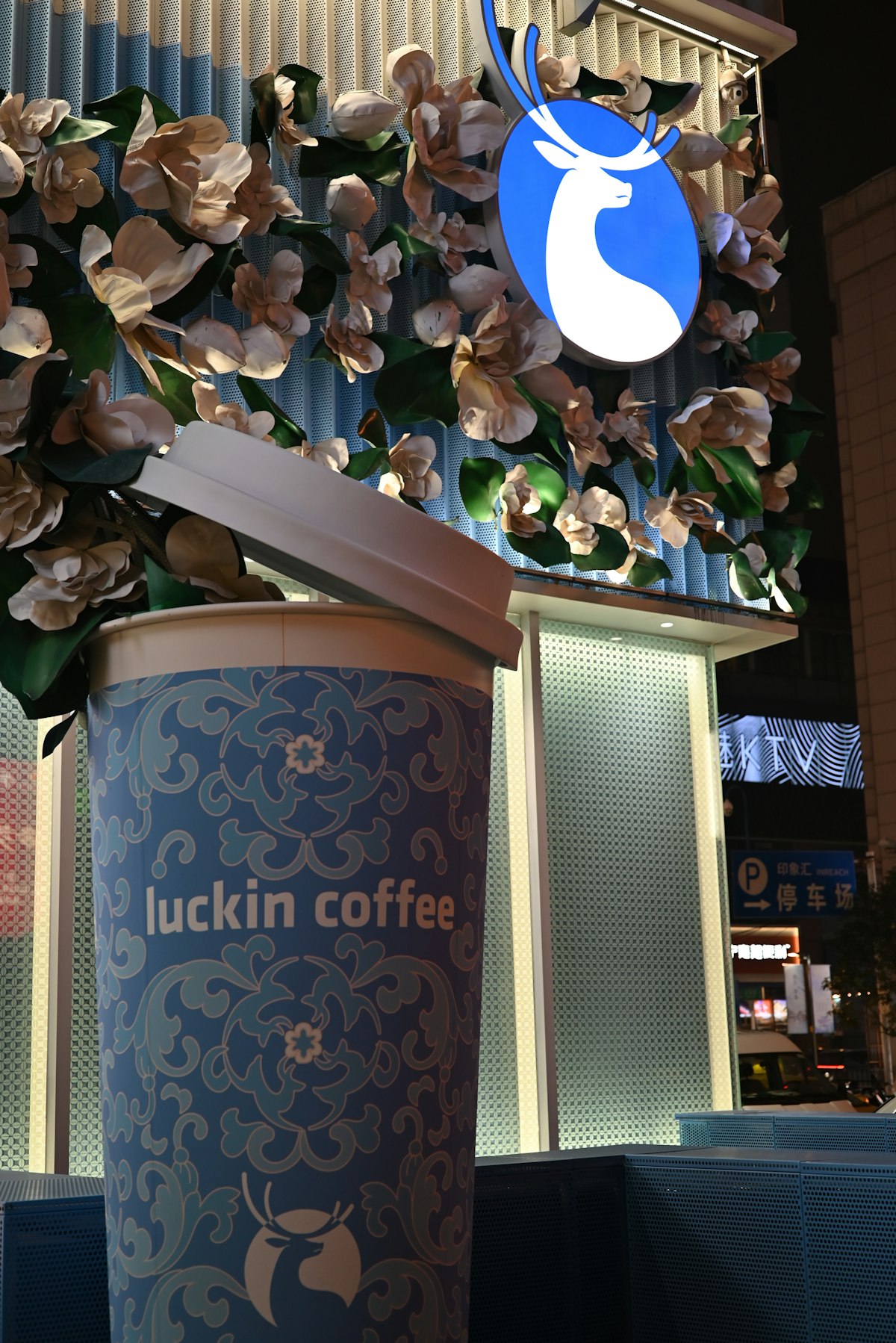
Luckin's relevance to capsule brands goes beyond coffee shops. Luckin sells its own capsule coffee online, alongside coffee concentrates, drip bags, and a wide range of packaged coffee products through its Tmall store, JD store, and its own app. When you buy Luckin coffee online, they bundle it with gifts: free samples, branded cups, stickers, discount vouchers for the next purchase. Their promotional engine is relentless, and their prices are extremely aggressive.
Foreign capsule brands cannot compete with Luckin on price. Luckin's scale, domestic supply chain, and willingness to operate on razor-thin margins make price competition a losing game. But you do not need to play their game. Luckin occupies a specific position in the market: the convenient, affordable, Chinese champion brand. Foreign capsule brands occupy a different position, built on imported quality, European coffee heritage, origin storytelling, and premium flavor profiles. Chinese consumers who buy Luckin capsules and Chinese consumers who buy Italian or Swiss capsules are often the same people, buying for different occasions and different reasons. The key is to differentiate on story and quality.
Beyond Capsules: China's Novel Coffee Formats
While this guide focuses on capsule coffee, it is important to understand that capsules are one segment of a much larger and rapidly evolving packaged coffee market in China. Chinese consumers and producers have embraced a wide variety of novel coffee formats that go well beyond what most Western markets have seen.
Coffee Concentrates and Liquid Pods
Liquid coffee concentrates, small single-serve pods or sachets that you dilute with water or milk, have exploded in popularity. They offer even more convenience than capsules (no machine required) and appeal to consumers who want iced coffee or milk-based drinks. Brands like Yongpu and Saturnbird have built massive followings in this format.
Coffee Gels, Jellies, and Ready-to-Drink Innovations
Chinese coffee innovation extends into formats that barely exist in Western markets: coffee jellies, coffee gels, freeze-dried coffee cubes, and pre-mixed ready-to-drink cups with built-in straws. Some of the largest producers of these novel coffee formats globally are Chinese companies. The innovation cycle is fast, driven by social media virality and consumer appetite for novelty.
What This Means for Capsule Brands
The broader coffee format landscape matters for capsule brands for two reasons. First, your competition extends beyond other capsule brands to every convenient coffee format vying for the same consumer's at-home coffee occasion. Second, it reinforces why foreign capsule brands must lean into what makes capsule coffee distinctive: machine-brewed espresso quality that concentrates and instant formats cannot replicate. The quality gap between a properly extracted Nespresso-compatible capsule and a liquid concentrate is significant, and that is your competitive advantage.
Two Paths to Market: CBEC vs Domestic Trade
Foreign coffee capsule brands can enter China through two routes: cross-border e-commerce (CBEC) or domestic trade. Both work. The right choice depends on your budget, timeline, and margin structure, and for food products specifically, the economics of domestic trade deserve serious consideration.
Cross-Border E-Commerce (CBEC)
CBEC allows you to sell directly to Chinese consumers without a Chinese entity. Products ship from overseas or from a bonded warehouse in China. Platform onboarding takes 6–12 weeks, and you handle accounting from your home market.
- Simplified food compliance. Coffee capsules sold through CBEC do not require full domestic food registration in China, provided they are on the CBEC positive list and legally marketed in their country of origin.
- No physical Chinese label required. Product information must be displayed in Chinese on the online listing, but physical labeling on the capsule packaging is not mandatory under CBEC.
- Tax rate. CBEC products are subject to a consolidated tax of approximately 9.1%, applied to the retail price (what the consumer pays). Because the tax base is the final consumer price, the effective tax burden is higher than the percentage suggests.
- Higher platform fees. CBEC storefronts carry higher annual fees and platform surcharges compared to domestic stores.
Domestic Trade (General Trade)
Domestic trade requires either a registered Chinese company (WFOE or joint venture), or working through a Chinese distributor who imports and sells under their own license. Operationally, this is more complex than CBEC.
The tax structure, however, works in your favor over time. Domestic imports are subject to import duty plus 13% VAT, both calculated on the CIF (import) price, which is substantially lower than the retail price. Because the tax base is the import cost rather than the consumer price, the effective per-unit tax is often lower than the CBEC consolidated rate.
Certification for Both Routes
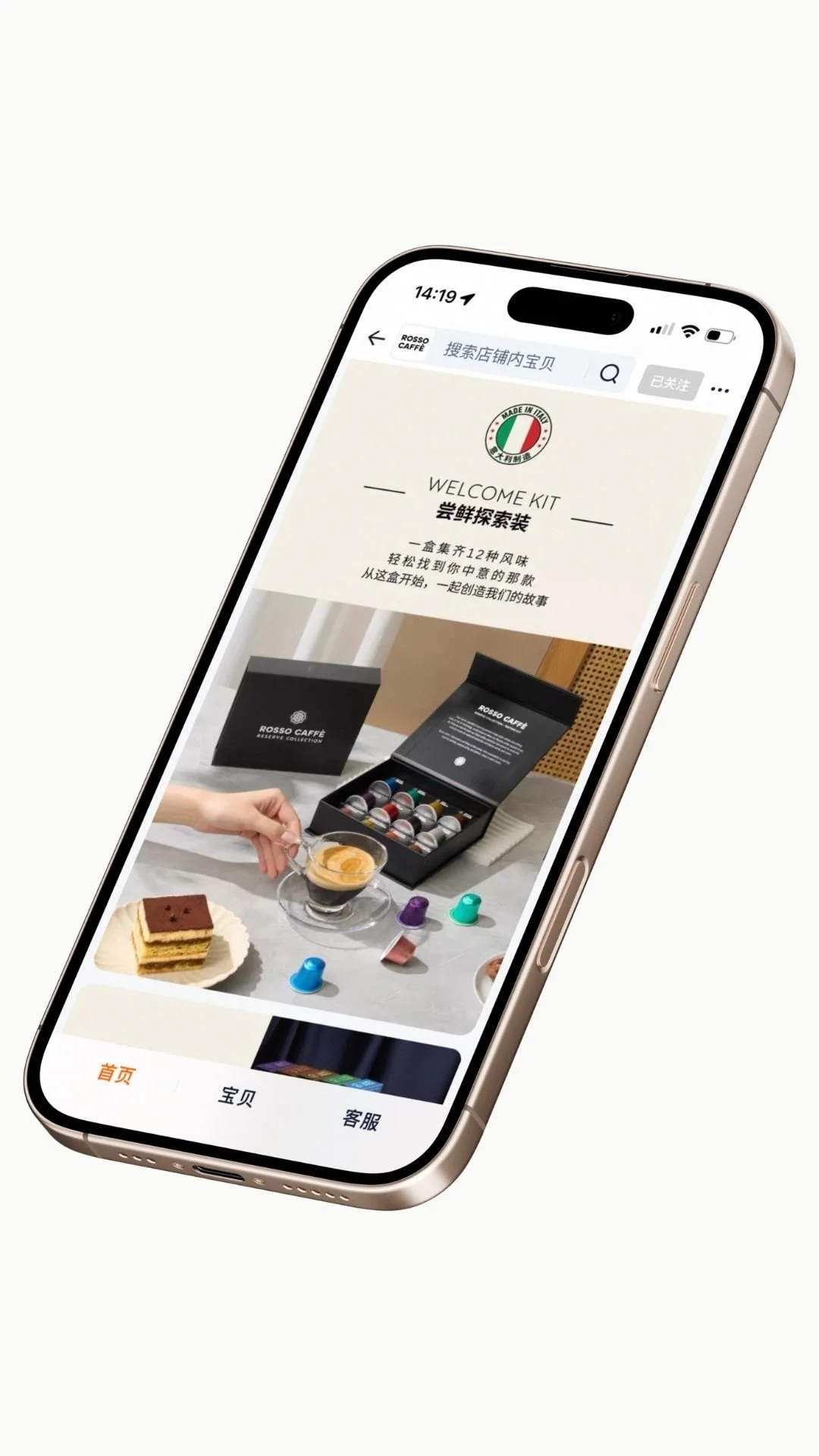
Regardless of which route you choose, coffee capsules require basic food safety testing in China. The testing is straightforward and affordable, typically a few thousand RMB at most, covering food-contact material safety and basic quality parameters.
Which Route for Coffee Capsules?
Food products in general operate on thinner margins than luxury goods or cosmetics. The per-unit tax savings from domestic trade can be meaningful when multiplied across thousands of capsules per month. For brands planning a serious, long-term commitment to the Chinese market, domestic trade may be the more cost-effective route over time.
That said, CBEC remains a valid option, particularly for brands that want to test the market before committing to local operations. Many brands start with CBEC and transition to domestic trade once they have proven demand.
Platform Strategy for Capsule Brands
Platform selection and execution are critical for capsule brands, where repeat purchase rates and customer lifetime value are central to profitability.
Tmall Global
Tmall Global is the primary platform for cross-border coffee capsule sales. The Tmall Global Food category is well-established, and the platform supports sophisticated store management, promotional campaigns, and integration with Alibaba's marketing ecosystem. A Tmall Global Flagship Store is the recommended starting point for serious capsule brands.
JD Worldwide / JD Supermarket
JD.com is strong for grocery and food categories. JD Supermarket, the platform's fast-delivery grocery section, is particularly effective for replenishment purchases. JD's logistics infrastructure ensures fast, reliable delivery, which matters for a consumable product where convenience is a core value proposition.
Little Red Book (Xiaohongshu)
Little Red Book (Xiaohongshu) is the primary discovery platform for capsule coffee. Users post capsule reviews, flavor comparisons, machine recommendations, and home coffee aesthetics content. Building a brand presence on Little Red Book (Xiaohongshu), through gifted product reviews, KOL partnerships, and branded content, is essential for driving traffic to your Tmall or JD store.
Douyin (TikTok China)
Douyin excels at visual, demonstrative content. Short videos showing capsule brewing, taste testing, and flavor comparisons drive high engagement. Douyin's in-app e-commerce functionality also supports direct sales, making it both a discovery and transaction channel.
Marketing Coffee Capsules to Chinese Consumers
Capsule coffee marketing in China requires a content-first approach that balances education, flavor storytelling, and lifestyle aspiration.
Content That Converts
The most effective capsule content on Chinese platforms includes flavor comparison videos (side-by-side tastings of different capsules), origin storytelling (where the coffee comes from, how it is roasted), unboxing content (particularly for variety packs and gift sets), and machine-capsule pairing guides (which capsules work best with which machines).
KOL and KOC Strategy
Partner with coffee-focused and lifestyle KOLs on Little Red Book (Xiaohongshu) and Douyin. Capsule brands benefit particularly from daily routine content: KOLs incorporating capsule coffee into their morning routines, work-from-home setups, or entertaining content. Micro-KOLs (10,000–100,000 followers) with engaged food and coffee audiences often deliver the best ROI for capsule brands.
Sampling and Variety Packs
Offer low-commitment entry points. A variety pack with 5–10 different flavors at an accessible price point is the single most effective customer acquisition tool for capsule brands. Once consumers find flavors they like, they convert to larger replenishment orders.
Seasonal and Festival Marketing
Align your marketing calendar with China's major shopping events. Double 11 (November), 618 (June), Chinese New Year, and Women's Day (March 8) drive disproportionate sales volumes. Limited-edition seasonal flavors, holiday blends, autumn roasts, summer iced-coffee capsules, create urgency and gifting appeal.
Pricing and Unit Economics
Capsule coffee pricing in China is structured around per-capsule cost, which consumers compare carefully across brands and formats.
Price Benchmarks
Nespresso
per capsule
Starbucks
per capsule
Foreign Brands
per capsule
Chinese Domestic
per capsule
Unit Economics at a Glance
CBEC Tax (~9.1%)
Applied to the retail price, not the import price. Factor into your per-capsule pricing model from day one.
Platform Fees (2–5%)
Tmall Global commission varies by category. Budget for promotional tools (Zhitongche, Wanxiangtai) on top.
Shipping & Logistics
Capsules are heavy for their value. Bonded warehouse fulfillment cuts per-order costs vs. direct overseas shipping.
Customer Lifetime Value
Capsules are repeat-purchase. Acquiring at break-even on order one pays off if your replenishment rate is strong.
Your China Capsule Market Entry Roadmap
Here is a practical sequence for foreign coffee capsule brands entering China, applicable to both CBEC and domestic trade routes:
Product & Compliance Assessment
Verify food-contact material compliance. Arrange food safety testing in China. Determine machine formats (Nespresso Original, Dolce Gusto, both). Choose entry route: CBEC for speed or domestic trade for long-term tax savings.
Assortment Planning
Select 8–15 SKUs for launch. Include a variety pack and a range of intensities and origins. Prepare a premium gift set for festivals. Write Chinese-language product descriptions, flavor profiles, and origin stories.
Partner Selection
Engage an experienced Tmall Partner for store setup, compliance, and operations. For CBEC, evaluate bonded warehouses. For domestic trade, secure an importer or distributor for licensing and local logistics.
Content Seeding
Build brand awareness on Little Red Book (Xiaohongshu) through gifted reviews and KOL partnerships. Create Douyin content. Build a content library communicating brand story, coffee origins, and roasting philosophy.
Tmall Global Launch
Launch your flagship store with full product range. Activate launch promotions: variety pack discounts, free shipping thresholds. Set up bonded warehouse fulfillment for faster domestic delivery.
Scale & Optimize
Join major shopping festivals (618, Double 11). Expand to JD Worldwide. Analyze flavor data to optimize assortment. Test limited-edition and seasonal releases. Build platform replenishment features for repeat purchases.
Frequently Asked Questions
How can I sell Nespresso-compatible capsules in China?
Coffee capsules can enter China through either cross-border e-commerce (CBEC) or domestic trade. Through CBEC, capsules that are legally marketed in your country of origin and appear on China's CBEC positive list can be sold on Tmall Global and JD Worldwide without full domestic food registration. Alternatively, domestic trade through a Chinese company or distributor gives you access to lower effective tax rates and broader channel options, though it requires local entity setup and compliance. Both routes require basic food safety testing, which is straightforward and affordable.
What capsule formats are most popular in China?
Nespresso Original-compatible capsules dominate the premium segment and represent the largest compatibility market. Dolce Gusto capsules have a meaningful mid-range market. Nespresso Vertuo is growing but has limited third-party compatibility. ESE pods and compostable formats are emerging niche segments.
How should I price my compatible capsules for the Chinese market?
Position at RMB 2.5–4 per capsule for quality European compatible brands, below Nespresso's official pricing (RMB 4–6) but above domestic Chinese alternatives (RMB 1.5–3). Factor in CBEC tax (~9.1%), platform commission (2–5%), and logistics costs when building your pricing model.
What are the biggest challenges for capsule brands entering China?
Key challenges include shipping weight relative to product value (making logistics costs significant), building repeat purchase habits on platforms where subscription models are less established, competing with Nespresso's brand dominance, and competing with Luckin Coffee's aggressive online pricing. Strategic pricing, variety packs for trial, and strong content marketing help overcome these challenges.
Is the coffee capsule market in China growing?
Yes, rapidly. China's coffee pods and capsules market was valued at approximately USD 1.5 billion in 2024 and is projected to exceed USD 3 billion by 2033 (CAGR 8.1%). The Nespresso-compatible segment specifically is growing even faster at a CAGR of approximately 9.7%. China's overall coffee consumption is growing at about 15% annually.
Ready to Sell Coffee Capsules in China?
Shanghai Jungle is a Tmall Partner helping foreign coffee and food brands enter China through cross-border e-commerce and domestic trade.
- CBEC and domestic trade food compliance
- Tmall Global and JD store setup and management
- Content creation and KOL campaigns on Little Red Book (Xiaohongshu) and Douyin