
Espresso Culture in China: How Specialty Coffee Brands Can Enter
Espresso Culture in China: How Specialty Coffee Brands Can Enter
China's espresso revolution is not coming — it's already here. Third-wave coffee shops have educated millions of Chinese consumers about extraction quality, single-origin beans, and latte art. Now those consumers are buying equipment and beans for home. Here's how specialty coffee brands can capitalize on one of the world's fastest-growing coffee markets.

The Espresso Revolution in China
Something extraordinary has happened to coffee in China over the past five years. A country that was once synonymous with instant coffee sachets and sweetened canned drinks has become one of the most dynamic specialty coffee markets in the world. Shanghai now has more specialty coffee shops than any other city on the planet — over 9,500 as of 2025 — surpassing London, New York, and Tokyo.
This isn't a surface-level trend. Chinese consumers, particularly millennials and Gen Z in tier 1 and tier 2 cities, have developed genuine sophistication about espresso quality. They know the difference between a flat white and a cortado. They discuss extraction ratios on Little Red Book (Xiaohongshu). They have opinions about Ethiopian Yirgacheffe versus Colombian Huila. And increasingly, they are investing in equipment and beans to brew specialty coffee at home.
For foreign specialty coffee brands, this represents a once-in-a-generation opportunity. China is adding millions of new specialty coffee consumers every year — people upgrading from instant to pour-over, from drip to espresso, from Luckin to home-brewed single-origin. Unlike mature Western markets where growth means stealing share from competitors, China's specialty coffee market is still in a phase of genuine category expansion.
Market Size and Trajectory
Understanding the scale and speed of China's coffee transformation is essential for calibrating your entry strategy. The numbers tell a story of accelerating adoption across every segment of the specialty coffee ecosystem.
Total Coffee Market
369.3 billion yuan projected for 2025. China is now the world's fastest-growing major coffee market.
Coffee Shops
Over 49,000 specialty coffee shops nationwide by 2025. Shanghai alone has 9,500+ — more than any other city globally.
Per Capita Consumption
Approximately 12 cups per year nationally, but 300+ cups in tier 1 cities. Massive growth runway remains.
Capsule Market
China's coffee pod market valued at approximately $1.5 billion in 2024. Growing at 15%+ annually.
The gap between national per capita consumption (approximately 12 cups per year) and tier 1 city consumption (300+ cups per year) reveals the enormous growth runway. As specialty coffee culture migrates from Shanghai, Beijing, and Shenzhen into tier 2 and tier 3 cities — Chengdu, Hangzhou, Nanjing, Wuhan, Changsha — the addressable market expands dramatically. This migration is already underway, accelerated by social media content that makes specialty coffee culture visible regardless of geographic location.
From Instant to Specialty: Understanding the Shift
China's coffee evolution has compressed decades of Western coffee culture development into roughly ten years. Understanding where the market came from helps explain where it's going — and where the opportunities are for foreign specialty brands.
Phase 1: Instant Dominance (2000–2015)
Nescafe 3-in-1 sachets defined coffee for most Chinese consumers. Coffee was sweet, milky, and functional — a caffeine delivery mechanism rather than a culinary experience. Starbucks entered early and succeeded by positioning coffee as a lifestyle and social status marker, not a beverage category. The Starbucks model taught Chinese consumers that coffee could be an aspirational experience.
Phase 2: Chain Explosion (2015–2022)
Luckin Coffee's launch in 2017 and subsequent explosive growth fundamentally changed the economics and accessibility of coffee in China. By offering subsidized drinks through aggressive app-based ordering, Luckin made espresso-based coffee affordable and convenient for millions of Chinese consumers who had never regularly purchased coffee. Luckin now operates over 21,000 stores — more than Starbucks in China. Other chains like Manner, Cotti, and Nowwa followed similar models. This phase democratized espresso consumption but kept it largely in the ready-to-drink format.
Phase 3: Specialty and Home Brewing (2022–Present)
The current phase is where foreign specialty brands have the most to gain. Consumers educated by Luckin and Manner are graduating to higher-quality coffee. Third-wave shops like Seesaw, M Stand, %Arabica, and independent roasters are thriving. Simultaneously, the pandemic accelerated home brewing adoption, and that behavior has become permanent. Chinese consumers are now buying beans, grinders, and espresso machines to replicate the specialty coffee experience at home — creating demand for exactly the products that foreign specialty brands offer.
The Third-Wave Coffee Ecosystem in China
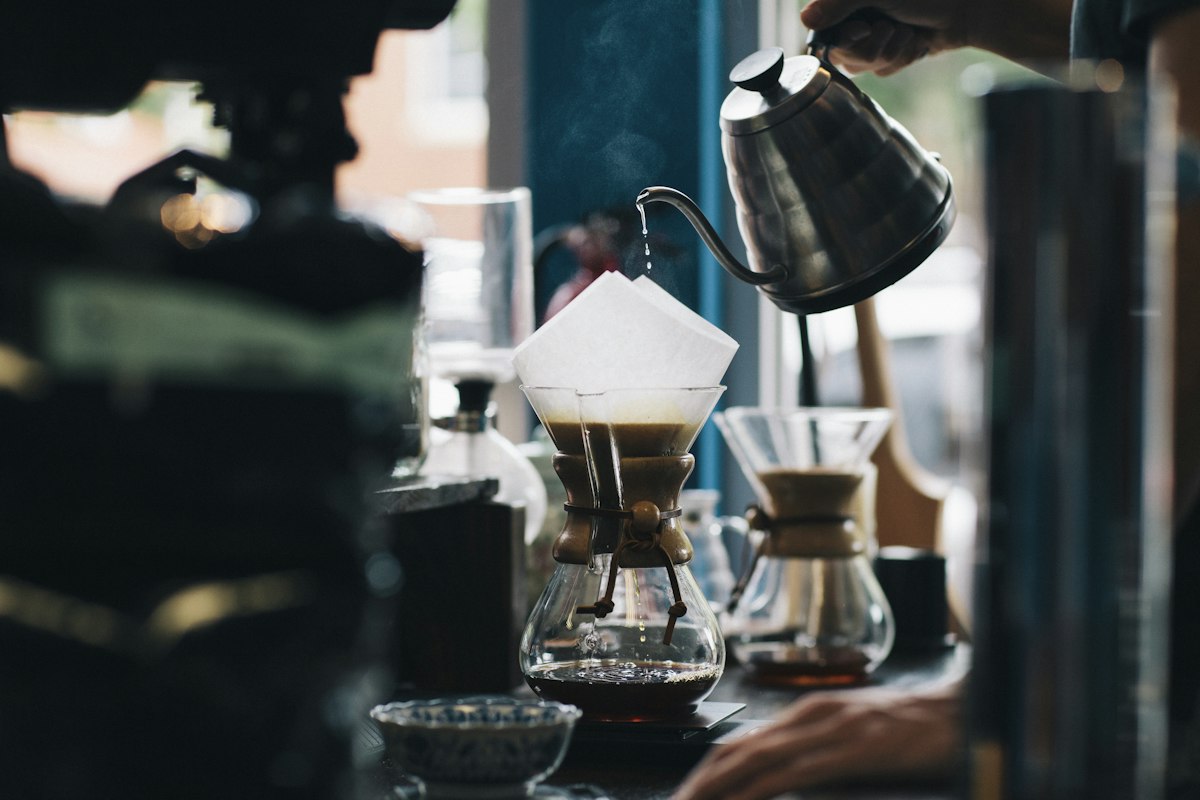
China's third-wave coffee ecosystem is now one of the most vibrant in the world. Understanding its key players and dynamics is essential for any specialty brand planning to enter the market.
Key Third-Wave Chains and Roasters
- Seesaw Coffee — Founded in Shanghai in 2012, Seesaw is widely regarded as China's first specialty coffee chain. Known for creative seasonal drinks, single-origin offerings, and architect-designed stores. Approximately 100+ locations across tier 1 cities. A potential wholesale or co-branding partner for foreign coffee brands.
- M Stand — Positioned as the "lifestyle coffee brand," M Stand combines specialty coffee with distinctive industrial-chic store design. Has raised over $300 million in funding and expanded to 1,000+ stores. Strong social media presence and brand cachet with younger consumers.
- %Arabica — The Japanese-founded specialty chain has expanded aggressively in China, with a strong presence in premium malls and lifestyle destinations. Known for minimalist aesthetics and consistent espresso quality. Demonstrates that foreign-origin coffee brands can build cult followings in China.
- Independent roasters — Cities like Shanghai, Chengdu, and Kunming have thriving independent roaster scenes. Many source directly from Yunnan province (China's primary coffee-growing region) as well as Ethiopian, Colombian, and Central American origins. These roasters are key KOLs within the specialty community and potential distribution or collaboration partners.
The Yunnan Factor
Yunnan province produces approximately 98% of China's domestically grown coffee. While Yunnan arabica was historically considered commodity-grade, a new generation of specialty-focused Yunnan farmers and processors are producing increasingly competitive beans. Some Yunnan microlots now score 85+ on the SCA scale. For foreign brands, this creates both a competitive dynamic (Chinese consumers developing pride in domestic specialty coffee) and an opportunity (blends that combine Yunnan beans with imported origins, telling a "best of both worlds" story).
Entry Routes: CBEC vs Domestic Registration
Specialty coffee brands entering China have two primary regulatory pathways. The choice between them depends on your product type, pricing, and long-term ambitions in the market.
Cross-Border E-Commerce (CBEC)
CBEC is the most practical entry route for most foreign specialty coffee brands selling beans, capsules, or ground coffee. Products enter China through bonded warehouses and are classified as personal imports, which means they are exempt from domestic food registration requirements.
Timeline
4-8 weeks to launch on Tmall Global or JD Worldwide. Significantly faster than domestic registration.
Transaction Limits
5,000 RMB per transaction, 26,000 RMB per consumer annually. Most coffee products fit comfortably.
Requirements
No Chinese business license. No domestic food registration. Product must comply with Chinese labeling (handled by warehouse).
Best For
Coffee beans, capsules, ground coffee, instant specialty coffee. Market testing before full domestic commitment.
Domestic Registration
For brands planning significant scale in China — particularly those selling coffee machines or seeking offline distribution — domestic registration provides the strongest foundation. This requires a Chinese business license (either your own entity or through a local partner), food production or import permits, and compliance with China's national food safety standards (GB standards).
The CCC Question for Machines
If your specialty brand also sells coffee machines (espresso machines, grinders, brewers), CCC certification is mandatory for domestic sales. The process takes 3-7 months and costs EUR 10,000-25,000 per model. Most specialty brands start with beans and capsules via CBEC while pursuing CCC certification for equipment in parallel.
Platform Strategy and Marketing Channels
Specialty coffee marketing in China operates through a discovery-to-conversion funnel that is fundamentally different from Western markets. Understanding which platforms serve which functions is critical for allocating budget and resources effectively.
Little Red Book (Xiaohongshu) — Discovery and Research
Little Red Book (Xiaohongshu) is the single most important platform for specialty coffee brands entering China. Coffee is one of the platform's most engaged verticals, with millions of posts covering brewing techniques, bean reviews, equipment comparisons, and cafe culture. When Chinese consumers consider buying specialty coffee products, their research almost always starts on Little Red Book (Xiaohongshu).
The strategy for specialty brands is clear: invest in building a rich content presence through a combination of KOL (Key Opinion Leader) partnerships with coffee-focused influencers, KOC (Key Opinion Consumer) seeding with authentic reviewers, and your own brand account posting educational content about origin, roasting, and brewing. Budget 50,000-150,000 RMB for a meaningful 3-month Little Red Book (Xiaohongshu) campaign at launch.
Douyin — Engagement and Demonstration
Douyin's short-form video and livestream commerce formats are exceptionally well-suited to coffee content. Brewing process videos, latte art tutorials, origin story mini-documentaries, and live roasting sessions generate high engagement and drive direct sales. Some coffee brands in China report 20-30% of revenue through Douyin channels. Livestream commerce is particularly effective because viewers can see and hear the brewing process in real time — the extraction, the crema, the milk steaming — creating sensory engagement that static product listings cannot match.
Tmall Global / JD Worldwide — Conversion
For CBEC brands, Tmall Global and JD Worldwide are the primary sales platforms. Tmall Global tends to attract more lifestyle-oriented and design-conscious consumers, while JD Worldwide has stronger logistics infrastructure (same-day and next-day delivery). Most specialty coffee brands start on Tmall Global due to its stronger alignment with premium and imported brand positioning.
WeChat — Retention and Community
WeChat serves as the long-term relationship platform. Through a WeChat official account and private community groups, specialty brands can nurture their most engaged customers, offer exclusive releases, share brewing education content, and drive repeat purchases. WeChat mini-programs can also function as a direct sales channel, bypassing platform commissions on repeat orders.
Brand Positioning That Works in China
Foreign specialty coffee brands have inherent positioning advantages in China that domestic brands cannot easily replicate. The key is understanding which narratives resonate most strongly with Chinese specialty coffee consumers and building your brand around them.
Origin Storytelling
Chinese specialty coffee consumers are increasingly sophisticated about coffee origins. Single-origin storytelling — the specific farm, the altitude, the processing method, the terroir — resonates deeply with consumers who appreciate craftsmanship narratives. An Ethiopian Yirgacheffe with a story about the specific washing station, the farmer cooperative, and the floral tasting notes creates emotional value that justifies premium pricing. Origin storytelling is the single most effective differentiator for foreign specialty brands in China.
Heritage and Expertise
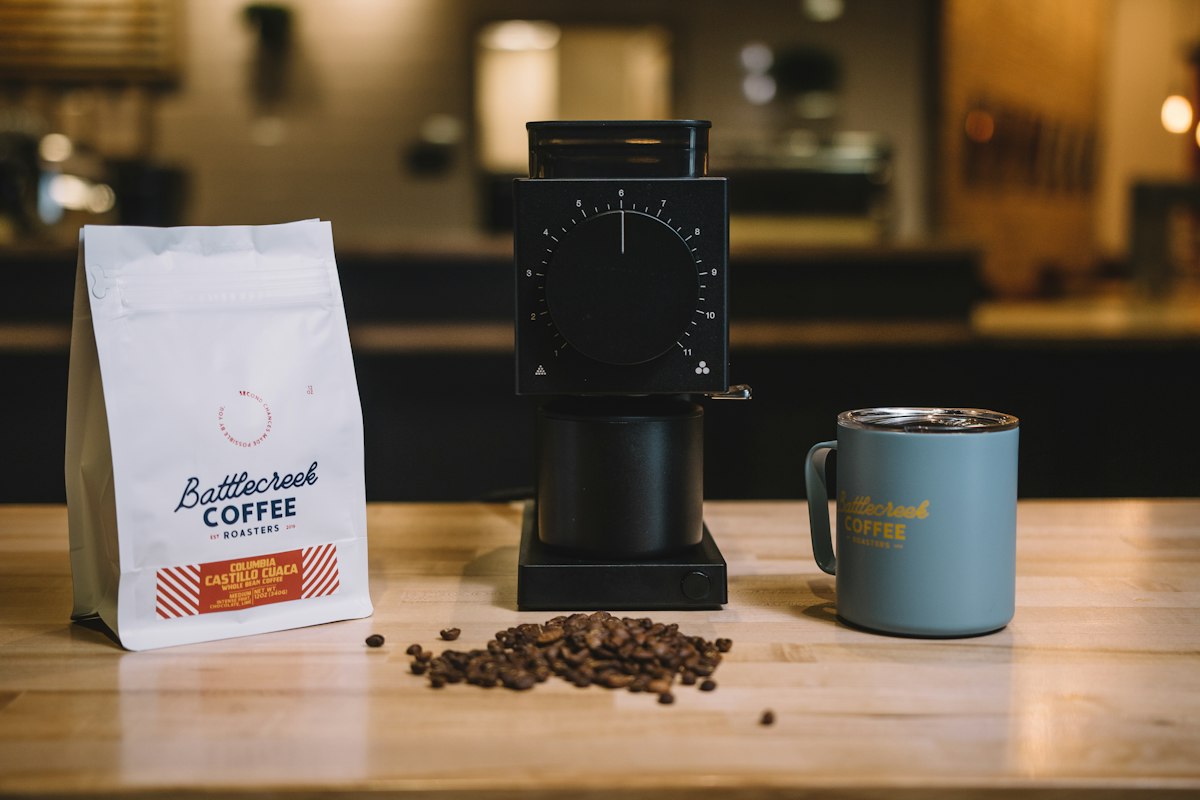
Italian espresso heritage, Nordic roasting expertise, Australian specialty coffee culture, Japanese precision brewing — each of these origin narratives carries distinct associations in the Chinese market. Italian brands should lean into generations of espresso tradition. Scandinavian brands can emphasize light-roast innovation and sustainability. Australian brands carry the cachet of Melbourne's globally respected specialty scene. The key is authenticity — Chinese consumers can detect inauthentic positioning quickly, especially in a category they are passionate about.
Roast Profile Education
Many Chinese consumers are transitioning from medium-dark roasts (influenced by Starbucks and Luckin) to lighter specialty roasts. This transition creates a natural marketing opportunity: educational content about roast profiles, flavor wheel exploration, and cupping techniques positions your brand as an authority while guiding consumers toward your product range. Brands that invest in roast education build loyalty that transcends individual product purchases.
Origin Storytelling
Single-origin narratives with farm-level specificity. Terroir, altitude, processing method, tasting notes. The strongest differentiator for foreign brands. Chinese consumers reward authenticity and detail.
Heritage Positioning
Italian espresso tradition, Nordic innovation, Australian specialty culture. Country-of-origin narratives that Chinese domestic brands cannot replicate. Must be authentic and specific, not generic.
Price Competition
Competing on price against Chinese brands is a losing strategy. Domestic brands can always undercut on cost. Foreign brands must compete on story, quality, and expertise — never on price alone.
Consumer Education as a Marketing Strategy
In a market where millions of consumers are actively learning about specialty coffee, education is not just marketing — it is the marketing. Brands that teach Chinese consumers about coffee quality become the brands those consumers trust and purchase from.
Content Formats That Drive Education
- Brewing tutorials — Step-by-step guides for espresso extraction, pour-over technique, AeroPress recipes, and French press methods. These perform exceptionally well on both Little Red Book (Xiaohongshu) (as photo guides) and Douyin (as short-form video). Every brewing tutorial is an implicit product recommendation for the beans or equipment featured.
- Origin deep dives — Long-form content exploring specific coffee-growing regions: the farms, the processing methods, the people. This content builds emotional connection with your products and justifies premium pricing through transparency.
- Cupping and tasting guides — Teaching consumers how to taste coffee properly — identifying acidity, body, sweetness, and specific flavor notes — elevates their appreciation and makes them more likely to seek out (and pay for) higher-quality specialty coffee.
- Roast profile explainers — Content explaining the difference between light, medium, and dark roasts, and why certain origins are best at certain roast levels. Particularly effective for consumers transitioning from commercial to specialty coffee.
- "Bean to cup" storytelling — Following the journey of specific beans from farm to roastery to consumer's cup. This format works as both Instagram-style photo series on Little Red Book (Xiaohongshu) and mini-documentary video on Douyin.

Partnership Opportunities in China's Coffee Ecosystem
China's specialty coffee ecosystem offers multiple partnership models that can accelerate a foreign brand's market entry and build credibility faster than going alone.
Specialty Coffee Shop Partnerships
Partnering with established specialty coffee shops to feature your beans as a guest roaster or seasonal offering provides immediate credibility within the coffee community. When a respected Shanghai specialty shop brews your beans, it creates a powerful endorsement that flows directly to their Little Red Book (Xiaohongshu)-active customer base. Target shops with strong social media presence and engaged communities.
KOL and Barista Partnerships
China's specialty coffee KOL ecosystem includes professional baristas, home brewing enthusiasts, roasters, and coffee educators with followings ranging from 10,000 to 500,000+ on Little Red Book (Xiaohongshu) and Douyin. These influencers command genuine trust within the coffee community. Seed your products with 10-20 coffee-focused KOLs and 50-100 KOCs (Key Opinion Consumers) to create a wave of authentic review and brewing content around your brand launch.
Coffee Festival and Event Partnerships
China's specialty coffee festival circuit is growing rapidly. Events like the Shanghai Coffee Festival, Cafe Show China, and CafeEx attract tens of thousands of specialty coffee enthusiasts. Securing a presence at these events — through pop-up bars, cupping sessions, or barista demonstrations — builds brand recognition and generates content that extends the event's reach through social media far beyond the physical attendees.
Co-Branded Limited Editions
Collaborations with Chinese brands, designers, or cultural institutions for limited-edition packaging or exclusive blends generate outsized social media attention. The co-branding model works particularly well in China's social commerce environment, where unique and shareable products drive organic discovery. A specialty coffee brand collaborating with a Chinese ceramicist on a limited cup-and-bean set, for example, creates a product that is inherently shareable on Little Red Book (Xiaohongshu).
Building for the Long Term
China's specialty coffee market rewards brands that commit to long-term relationship building over short-term sales extraction. The brands that will dominate this market in five years are the ones investing in community, education, and authentic engagement today.
Year One Priorities
- Launch 3-5 hero products on Tmall Global through CBEC. Focus on your strongest single-origin beans and signature blends rather than your full catalog.
- Build a Little Red Book (Xiaohongshu) content library of 50+ posts covering your origin story, brewing guides, and product features. Seed with 15-20 KOLs.
- Establish a Douyin presence with weekly video content and monthly livestream sessions. Focus on brewing demonstrations and origin storytelling.
- Attend 2-3 coffee festivals or events for brand visibility and community building.
- Set up a WeChat official account and begin building a subscriber base for long-term retention.
Year Two and Beyond
- Evaluate domestic registration based on year-one sales data and consumer feedback. If demand is proven, begin the process of establishing a Chinese entity or deepening your partnership with a local distributor.
- Expand product range to include seasonal limited editions, collaborative blends, and subscription offerings.
- Pursue CCC certification for any equipment you plan to sell domestically.
- Build offline touchpoints through specialty coffee shop partnerships, pop-up experiences, and potentially a flagship location in a tier 1 city.
- Develop a loyalty and subscription program through WeChat mini-programs to drive repeat purchases and reduce dependence on platform traffic.
Ready to Bring Your Coffee Brand to China?
Shanghai Jungle helps specialty coffee brands navigate China's booming market — from CBEC setup to Xiaohongshu content strategy and everything in between.
- Tmall Global store setup and CBEC operations
- Little Red Book (Xiaohongshu) and Douyin content and KOL strategy
- Specialty coffee shop partnerships and event planning

"We connect foreign specialty coffee brands with China's most passionate coffee consumers."— Shanghai Jungle
Frequently Asked Questions
How big is the specialty coffee market in China?
China's total coffee market reached 313.3 billion yuan in 2024 and is projected to hit 369.3 billion yuan in 2025. Specialty coffee is the fastest-growing segment within this market. China now has over 49,000 specialty coffee shops as of 2025, with Shanghai alone hosting over 9,500 — more than any other city in the world. The shift from instant coffee to espresso-based drinks has been dramatic, with specialty consumption growing at approximately 15-20% annually in tier 1 and tier 2 cities.
Can foreign coffee brands sell in China through cross-border e-commerce?
Yes — cross-border e-commerce (CBEC) is one of the most practical entry routes for foreign specialty coffee brands. Coffee beans, capsules, and ground coffee can be sold through Tmall Global and JD Worldwide without requiring a Chinese business license or domestic food registration. CBEC products enter through bonded warehouses and are classified as personal imports. The per-transaction limit is 5,000 RMB and the annual limit per consumer is 26,000 RMB. Most specialty coffee products fall well within these limits.
What platforms should specialty coffee brands use in China?
The optimal platform mix for specialty coffee brands includes Tmall Global or JD Worldwide for cross-border sales, Little Red Book (Xiaohongshu) for community building and discovery (coffee is one of the platform's most engaged verticals), Douyin for short-form video content and livestream commerce, and WeChat for brand storytelling and customer retention. Most specialty coffee purchases happen on Tmall or JD, but the discovery and research process starts on Little Red Book (Xiaohongshu) and Douyin.
How important is Xiaohongshu for coffee brands entering China?
Xiaohongshu (Little Red Book) is arguably the single most important platform for specialty coffee brands entering China. The coffee vertical on Xiaohongshu is one of the platform's most active categories, with millions of posts covering brewing techniques, bean reviews, equipment setups, and cafe culture. Chinese consumers researching specialty coffee almost always start on Xiaohongshu. A strong presence on the platform — through KOL partnerships, authentic review content, and educational posts about origin and roasting — directly drives purchase intent on e-commerce platforms.
What brand positioning works best for foreign coffee brands in China?
The most effective positioning strategies for foreign specialty coffee brands in China center on origin storytelling, heritage, and expertise that Chinese domestic brands cannot replicate. Italian espresso heritage, Ethiopian or Colombian single-origin narratives, Nordic light-roast expertise, and Australian specialty coffee culture all resonate strongly with Chinese consumers. Brands should avoid competing on price and instead emphasize craftsmanship, terroir, roast profiles, and the cultural context of their coffee — elements that justify premium pricing and create emotional differentiation.