
Selling Perfume
in China
China's fragrance market is the fastest-growing beauty category in the world — and one of the most accessible for foreign perfume brands selling through cross-border e-commerce.

The driving force is generational. Younger Chinese consumers, particularly Gen Z and Millennials in Tier 1 and 2 cities, are adopting fragrance as a form of personal identity and self-expression, fueled by Little Red Book (Xiaohongshu) content culture and international exposure. Many are entering fragrance directly at the niche level, bypassing designer mainstreams entirely.
This creates a dynamic that is simultaneously immature (low overall penetration) and sophisticated (high interest in artisanal, story-driven products). For foreign fragrance brands, this is a rare window: a large market with real growth, genuine demand for imported niche products, and a viable cross-border entry path.
81% of Chinese perfume consumers now view fragrances as daily essentials, with over 40% choosing scents based on mood or occasion. The premium niche segment (RMB 600–1,500 / $85–$210) is the fastest-growing tier and the sweet spot for foreign fragrance brands.
What Chinese Consumers Want
Chinese fragrance preferences are shaped by climate, cultural aesthetics, and the specific way scent culture is developing in China.
Light, Fresh, Clean
The defining concept in Chinese fragrance culture is “qing” (清) — clean, airy, and restrained. Consumers gravitate toward white florals (jasmine, gardenia, osmanthus), citrus, and fresh aquatic compositions. Heavy oud, leather, and dense gourmand notes face a steeper adoption curve.
“Office appropriate” is one of the most common search terms on Little Red Book (Xiaohongshu) for fragrance. A perfume that projects modestly and reads as clean is preferred over one that fills a room.
Osmanthus (桂花) is a specifically Chinese opportunity — one of the most beloved natural scents in China, with deep cultural and nostalgic resonance.
The Niche Phenomenon
In Western markets, consumers progress from mass to designer to niche fragrance over years. In China, many consumers are entering fragrance directly at the niche level, bypassing the designer mainstream entirely. Diptyque has 40+ retail locations in China. Byredo, Le Labo, and Maison Francis Kurkdjian have all established strong presences.
Rising Chinese brands (Documents/观夏, To Summer, Scent Library, Beast) are also growing fast with culturally rooted formulations, creating a competitive but expanding market.
The premium niche segment (RMB 600–1,500) is the fastest-growing tier. Unisex fragrances are especially strong among Gen Z consumers.
Gifting and Seasonal Culture
Perfume occupies a distinctive position in China's gift-giving culture: personal, aspirational, and intimate. Four calendar moments drive concentrated revenue: Qixi (Chinese Valentine's Day), 520, Valentine's Day, and Chinese New Year.
Chinese consumers also show pronounced seasonal switching — fresh citrus and aquatic scents for spring/summer, warmer woods and amber for autumn/winter. Brands with both temperature profiles have a longer selling season.
Gift-price sweet spot: RMB 500–1,500. Limited-edition festival packaging (Qixi, CNY) generates outsized content and commercial returns.
How to Enter: Cross-Border vs. Domestic
Perfume faces unique regulatory challenges in China — NMPA certification requires full formula disclosure, and alcohol content complicates logistics. For most foreign fragrance brands, cross-border e-commerce is the recommended entry path.
Cross-Border E-Commerce (CBEC)
Products sold through Tmall Global are classified as personal imports, exempt from NMPA registration. Your formula stays confidential, and you don't need a Chinese entity.
- 2–4 months to market
- Platform fees only — no regulatory cost per SKU
- No formula disclosure required — IP stays confidential
- No Chinese entity needed
- Simplified bonded warehouse alcohol logistics
- Sell on Tmall Global, JD Worldwide, Douyin CBEC
Domestic Registration
Full NMPA registration with complete formula submission. Required for offline retail and domestic e-commerce. Realistic only for global luxury groups with existing China legal infrastructure.
- 6–12 months to market
- $3,000–$8,000 per SKU
- Full formula submitted to NMPA
- DRA (Domestic Responsible Agent) required
- Full hazmat compliance chain for alcohol
- All channels including offline retail
CBEC allows brands to sell on Tmall Global without NMPA registration, without formula disclosure, and without a Chinese entity. Home-country certification (CE, FDA, or equivalent) is sufficient. Products ship from bonded warehouses and are classified as personal imports.
Your content doesn't need to sell the full bottle. It needs to sell the sample. The sample sells the full bottle.
Marketing Fragrance Online
The majority of discovery and purchase happens on platforms where consumers cannot smell the product. Brands that solve this challenge succeed.
Little Red Book (Xiaohongshu)
The primary discovery platform for fragrance in China. Consumers use it as a search engine for perfume recommendations, scent descriptions, and occasion-based advice. Content is king here — a brand with 500 authentic KOC posts will dominate search results far more effectively than five expensive mid-tier KOL collaborations that generate brief visibility and fade.
Invest in volume-driven KOC seeding with genuine product experience, not one-off sponsored placements.
Discovery Sets and Sampling
Discovery sets (4–8 sample vials, RMB 99–199) are the most important conversion tool for online fragrance sales. Without a sampling program, conversion rates remain unacceptably low — consumers will not commit RMB 600+ to a scent they have never experienced.
The refund-on-full-bottle mechanic (credit the discovery set price when a full bottle is purchased) dramatically increases conversion and makes the sample set feel risk-free.
KOL Partnerships
Fragrance KOLs communicate scent through evocative descriptions, three-phase breakdowns (top-middle-base), and comparisons to known fragrances. Long-term ambassador relationships with 3–5 specialist micro-KOLs produce deeper, more authentic content than one-off mid-tier collaborations.
The goal is building a consistent narrative around your brand's scent identity, not generating isolated spikes of attention.
Your China Launch Roadmap
A proven sequence for foreign fragrance brands entering China through cross-border e-commerce.
Market Research and Product Selection
Consumer testing to map scent preferences in-market. Competitor analysis across price tiers. Chinese name development and trademark check. Product selection for your China launch range — typically 4–8 hero SKUs that align with local preferences.
Store and Product Setup
Tmall Global application and brand approval. Product listings with Chinese scent descriptions and evocative imagery. Discovery set and sample production. China-specific packaging, authentication features, and bonded warehouse logistics planning.
Content Seeding and Launch
Little Red Book (Xiaohongshu) content seeding with KOCs and micro-KOLs. Sampling campaigns and discovery set distribution. Ingredient-forward visual content and scent storytelling designed for Chinese social platforms.
Scale and Optimize
Festival campaigns (Qixi, CNY, 520) with limited editions and gift sets. Long-term KOL ambassador program. Expand to Douyin and WeChat. Evaluate domestic registration for proven hero SKUs that justify the investment.
Official Tmall Partner Agency
Learn how cross-border e-commerce works and what it costs to launch on Tmall.

How We Help Cosmetic and Perfume Brands Enter China
Shanghai Jungle provides end-to-end China market entry for foreign fragrance, beauty, and cosmetics brands — from first conversation to live store.
Book a Discovery Call
A 30-minute conversation about your brand, product range, and China opportunity. No commitment — just an honest assessment of what makes sense.
China Market Entry
Full-service market entry covering strategy, trademark registration, NMPA certification, e-commerce setup, and ongoing operations.
Tmall Partner Agency
How we manage Tmall and Tmall Global stores as an official certified Tmall Partner — services, process, and what to expect.
Tmall Fees & Costs Explained
Security deposits, annual fees, sales commissions, and the real cost breakdown of operating a Tmall Global store for cosmetics and fragrance.
Trademark & IP Protection
Why registering your trademark in China before launching is critical — first-to-file rules, Chinese naming, and formula protection for perfume brands.
Influencer Marketing in China
KOL and KOC strategy for building brand awareness and driving sales on Little Red Book (Xiaohongshu), Douyin, and WeChat.
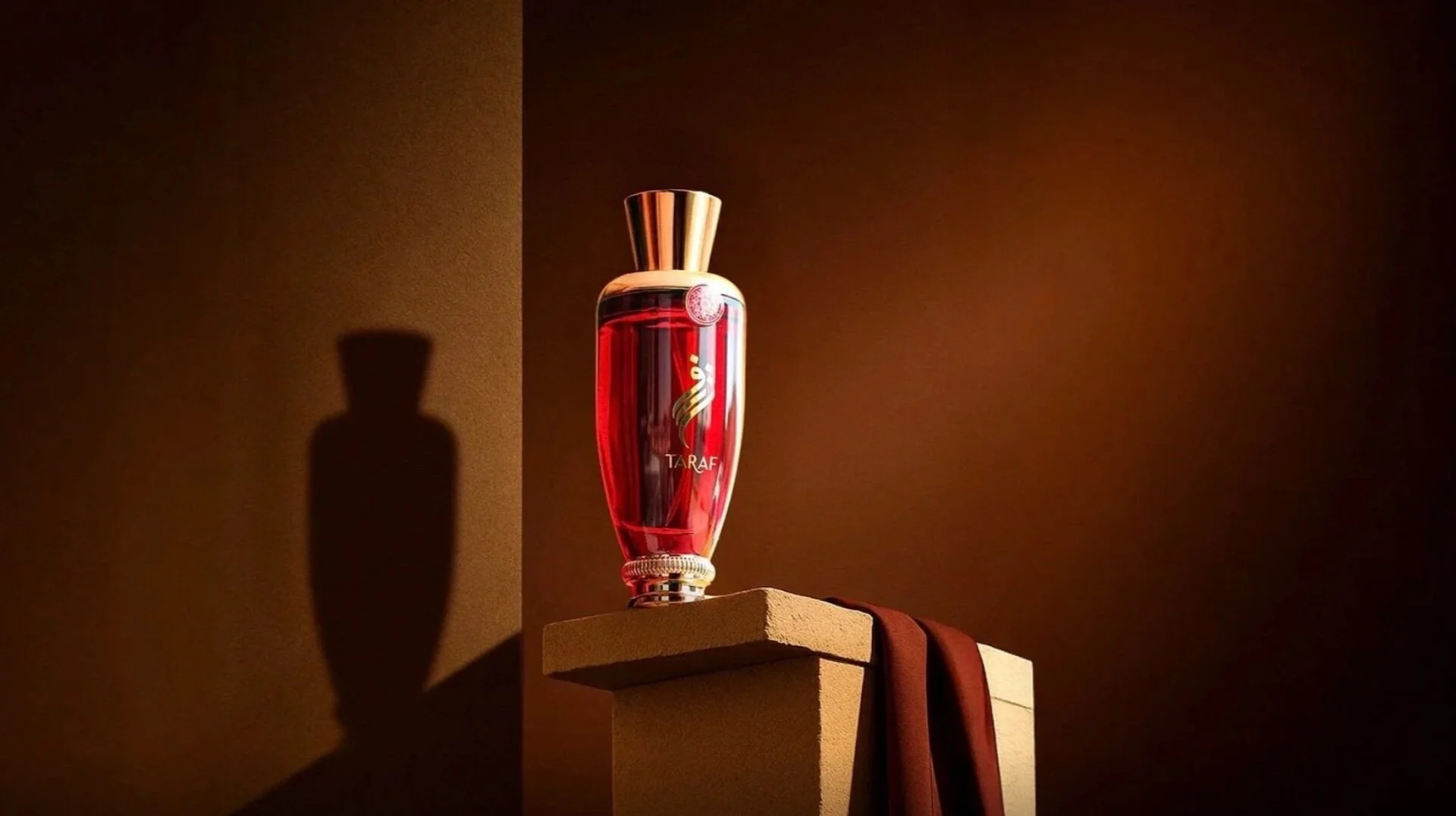
Arabian Oud — China Market Entry
How we launched the world's largest fragrance retailer on Tmall Global and Little Red Book (Xiaohongshu) from scratch — store, logistics, influencer campaigns, and consumer research, all managed by one team.
Read the full case studyKey Terms


12+ years of experience, 100+ satisfied customers.
Helping foreign brands sell in China since 2013.
Shanghai Jungle is a China market entry agency covering e-commerce, social media, influencer marketing, and distribution. We are an official Tmall Partner and have direct experience launching and operating fragrance brands in China — from market research and consumer testing to Tmall store management and KOL campaigns.
International leadership. Local execution. One partner for your fragrance brand's China launch — no middlemen, no scattered vendors.