
Singles’ Day in China: What the 2025 Results Reveal About Today’s Consumer
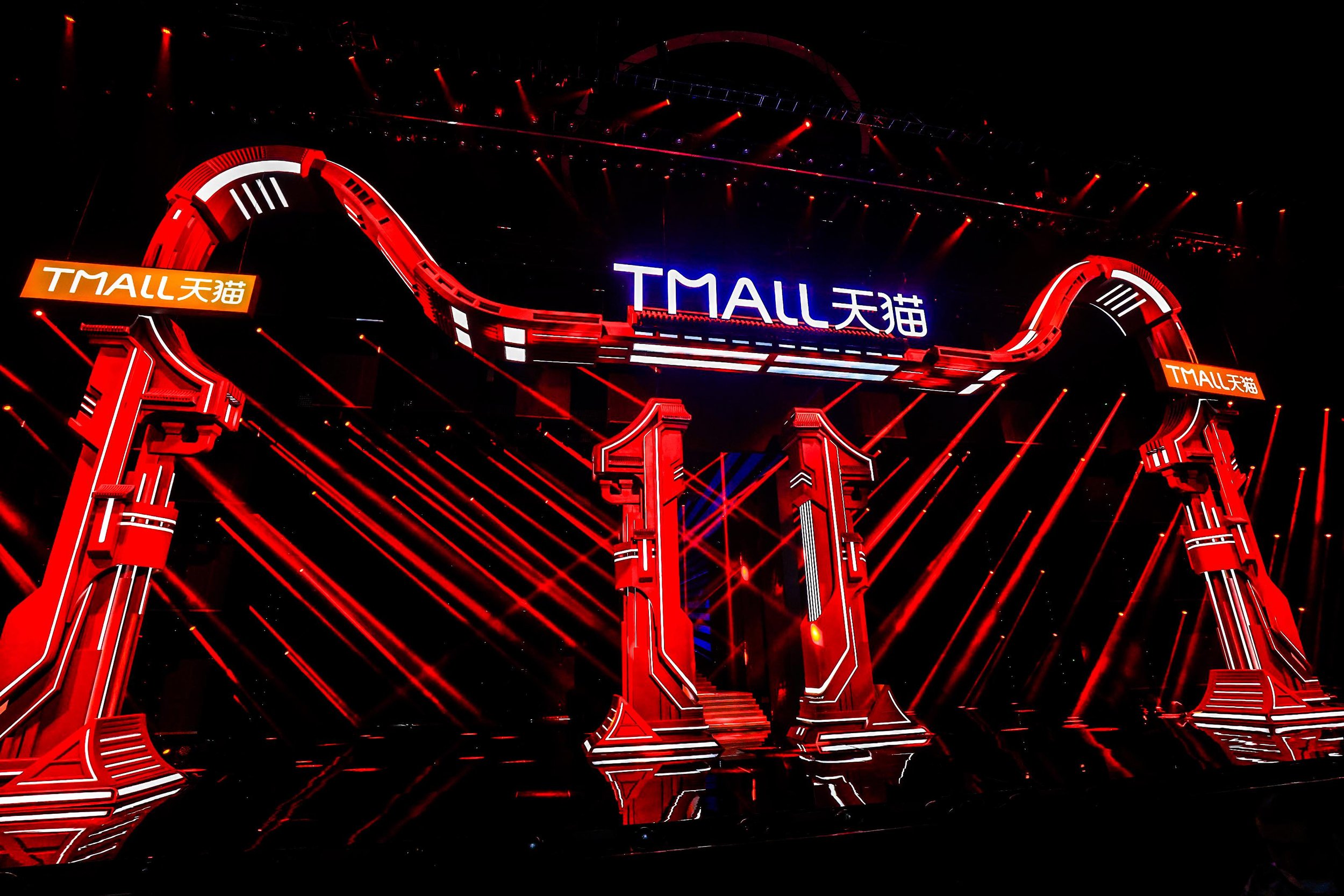
Singles’ Day (11.11 or Double 11) has become China’s largest annual online shopping festival. Originally promoted by one platform, it has since expanded across the entire retail landscape, online and offline. Although it was once a single day of discounts, the modern 11‑11 period begins as early as mid‑October and runs until mid‑November. The result is a cycle of pre‑sales, deposits, sign‑ups, discount stacking, and delivery timelines that both local and international brands must navigate carefully.
Despite the complexity, the shopping window remains highly attractive. Consumers actively seek deals, platforms compete fiercely for traffic, and brands gain access to the highest concentration of buyers of the entire year.
Overall Performance in 2025
Independent data estimates that the 2025 Double 11 period generated ¥1.7 trillion (about $240 billion) in total sales — a 14% increase versus 2024.
Cross‑border participation remained strong. Over 1,700 overseas brands entered Tmall International ahead of 11‑11, led by companies from South Korea, the United States, Australia, Japan, and New Zealand.
Platform Timelines and Competition
The Singles’ Day calendar now spans several weeks. In 2025, key platforms launched at different times:
Kuaishou: October 7
JD & Douyin: October 9
Tmall: October 15
Pinduoduo: October 16
This staggered rollout reflects heightened competition for early traffic, deposit locking, and visibility. Brands must align marketing and operations with the timelines of each platform to avoid missing peak exposure windows.
Category Performance in 2025
Performance varied by sector, but demand remained strong across both domestic and international brands:
Beauty: Proya, followed by Estée Lauder, Lancôme, L’Oréal Paris, and SkinCeuticals. Foreign brands made up 15 of the top 20.
Sports & Outdoor: FILA, Nike, Adidas, and Lululemon dominated.
Mobile Phones: Apple maintained the #1 position, ahead of Huawei and Xiaomi.
Home Appliances: Midea, Haier, and Little Swan led, with Xiaomi in 4th.
Food & Fresh: Three Squirrels and Fengwei Pie ranked first and third; Starbucks placed second.
Apparel: Uniqlo continued its long‑standing leadership.
The data shows that while Chinese consumers remain highly receptive to international brands, they are increasingly selective and value‑driven.
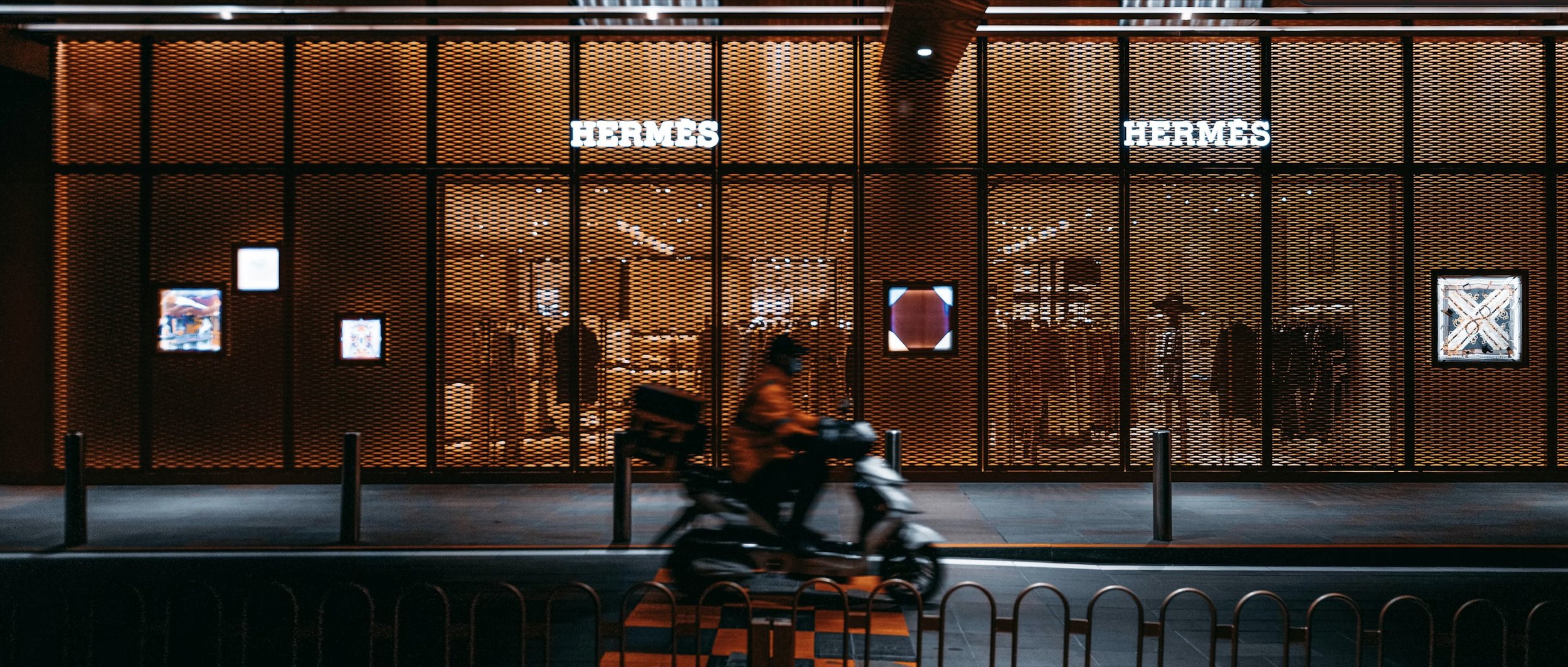
Singles’ Day is no longer just an online phenomenon today
Treatonomics: Reward‑Based Consumption
A major behavioral trend influencing Singles’ Day performance is “Treatonomics”—the tendency for consumers to reward themselves with small or meaningful purchases. This concept expands the traditional “lipstick effect” into a broader emotional consumption pattern.
Examples include:
Premium beverages and small daily luxuries.
Collectibles, ACG merchandise, and hobby purchases.
Experience‑driven spending: concerts, travel, themed events.
Lifestyle upgrades such as aromatherapy, audio equipment, or wellness items.
China’s emotional‑value consumption economy exceeded ¥2.3 trillion in 2024 and is projected to surpass ¥4.5 trillion by 2029.
Why Consumer Behavior Is Shifting
Several macro and social factors underpin this change:
Slower progress toward traditional milestones (property, long‑term savings).
Higher workplace pressure in major cities.
A cultural shift toward valuing present‑day satisfaction.
Wider acceptance of self‑reward as a normal, healthy purchasing mindset.
Experience‑oriented, self‑rewarding, and health‑driven categories as the most resilient drivers of long‑term growth.
What This Means for Brands
Brands operating in China must adjust their communication and product strategies to match these behaviors. Key priorities include:
Accessible entry‑level products such as samples, smaller sizes, or bundles.
Messaging that connects products to practical usage or lifestyle fit.
Fast iteration cycles to match shorter consumer attention spans.
Consumers are becoming more disciplined in managing their “treat budgets,” meaning brands must deliver genuine value rather than relying on impulse‑driven campaigns.
Importance of Inventory Planning
Inventory is one of the most common failure points for brands during Singles’ Day. Platforms require brands to lock inventory in advance, meaning stock must be imported, declared, and stored in (bonded) warehouses before campaign periods begin.
Because logistics networks face heavy pressure during 11‑11, brands must anticipate:
Longer customs clearance times.
Slower warehouse processing.
Reduced availability of bonded storage capacity.
Shipping delays from origin countries.
Brands should plan inventory a couple of weeks ahead, ensuring all documentation, compliance checks, and forecasts are finalized early. Late preparation risks stockouts, penalties, or total exclusion from core campaign moments.
Importance of Influencer & Livestreamer Planning
Influencer and livestream campaigns drive a substantial share of Singles’ Day sales. Importantly, top creators are booked months in advance, and their rates increase during this period.
Key considerations:
Leading livestreamers such as Austin Li (Li Jiaqi) generate a disproportionate share of sales; many brands rely on just a few major creators for their Singles’ Day peak.
Mid‑tier and niche influencers are easier to schedule but still require advance planning due to increased demand.
Brands should publish significantly more influencer content around 11‑11, including reviews, demos, unboxings, and campaign announcements.
Product approvals and contract processes take longer during Q4.
Seasonal price increases among influencers are normal but offset by high purchasing intent.
Brands that secure influencer partners early benefit from better scheduling, smoother execution, and stronger results.

The largest livestreamers, like Austin Li, can sell millions of dollars’ worth of goods in just a few hours
Singles’ Day Going Forward
Singles’ Day has evolved into a mature, highly competitive sales environment.
The festival continues to offer:
The strongest new‑customer acquisition opportunities of the year.
A clear indicator of broader consumer sentiment.
An ideal time to test product positioning and pricing strategies.
Momentum for early Q1 performance.
Shanghai Jungle supports brands with cross‑border strategy, platform operations, content, and performance marketing to navigate China’s e‑commerce landscape effectively. Click to get in touch.