
Entering China’s Online Beauty Market: A Practical Guide for Foreign Cosmetics Brands
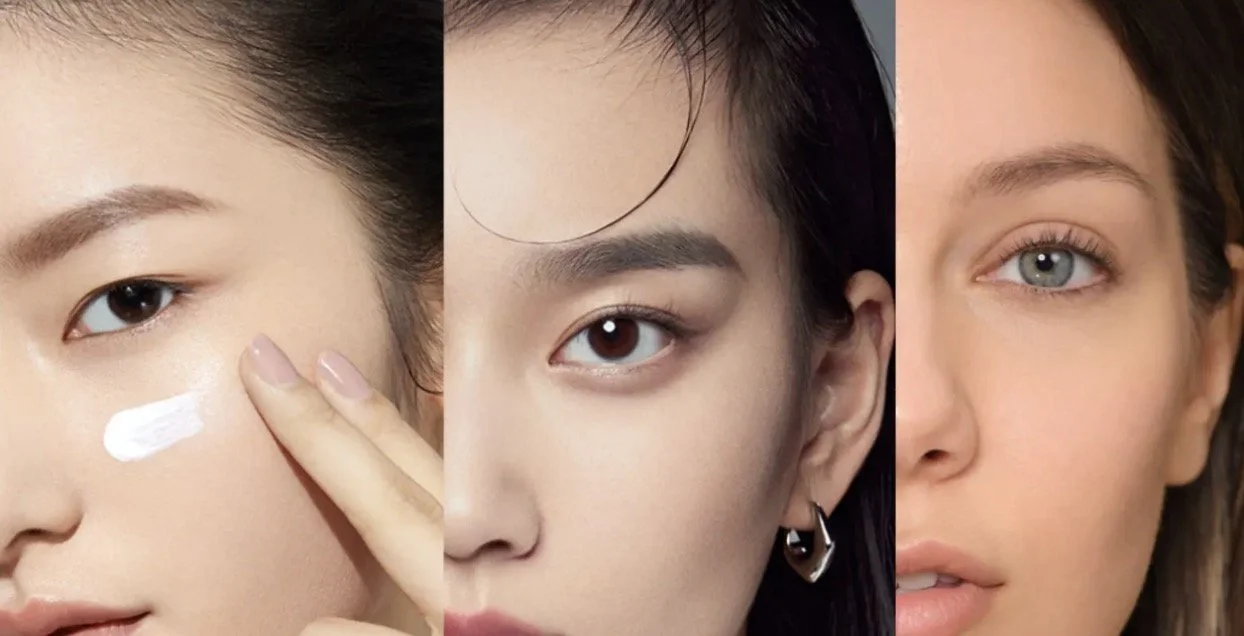
Cosmetics retail sales in China reached around USD 67 billion by 2024 and are projected to reach close to USD 88 billion by 2025. That growth has been driven by a fast-expanding middle class, heavy digital adoption, and a consumer base that is extremely engaged with skincare and makeup.
At the same time, the market is crowded, regulations are strict, and the digital ecosystem is unique, to say the least. This article summarizes key consumer trends and channel dynamics in China’s cosmetics market and outlines a realistic entry roadmap for foreign brands that want to start selling online.
Why China’s beauty shoppers behave differently
Premium pricing and ingredient focus
A majority of Chinese consumers say they are willing to pay more for “better” cosmetics.
Upgrading to more premium brands is common as incomes rise.
Western origins and branding are a definitive plus, as Chinese consumers tend to trust European-made cosmetics especially.
For foreign brands, this means:
A “cheap” positioning is rarely a winning strategy.
You need clear, credible ingredient and efficacy communication in Chinese.
Hero SKUs with a well-defined function perform better than generic “nice to have” products.
Preference for foreign brands
European and especially Swiss, Italian and French brands are seen as high-end and sophisticated.
Japanese brands are associated with technology and gentle formulations.
Korean and US brands often occupy strong mass or masstige positions.
Local competitors have improved, but for many consumers, foreign brands are and will continue feel safer and more effective – especially for sensitive skin, anti-aging, and high-performance skincare.

Natural, “clean” and anti-pollution claims
Growing concern about pollution and premature skin aging has pushed demand for:
Natural, “green”, and organic formulas
“Clean” ingredient lists and fewer irritants
Products with anti-pollution, barrier-repair, and sensitive-skin claims
Cruelty-free positioning among younger, urban consumers (though still very limited)
Cosmeceuticals and function-driven products
Cosmeceuticals – products sitting between cosmetics and pharmaceuticals – are a major trend:
Spot treatments
Brightening and pigmentation care
Acne solutions
Firming, anti-wrinkle, and pore-minimizing routines
Chinese consumers are very open to multi-step routines and don’t mind layering – as long as each step has a clear purpose. Multi-functional products (BB, CC creams, tinted sunscreens, etc.) also remain popular when they deliver real performance, not just marketing.
Men’s grooming is no longer a niche
Influenced by K-Pop, social media, and changing norms, younger men in major cities are spending more on:
Basic skincare (cleanser, toner, moisturizer, SPF)
Targeted treatments (acne, oil control, pore care)
Light makeup (BB cream, concealer, brows)
Most of the volume still comes from women, but dedicated male lines and gender-neutral positioning are both growing faster than many brands expect.

Longer, earlier skincare routines
Chinese consumers are starting young and doing more:
Teenagers and women in their early 20s already use multi-step routines.
A typical daily routine easily reaches 6–7 steps (cleanser, toner, essence/serum, eye cream, moisturizer, sunscreen, plus masks several times a week).
Some older, “beauty-mature” women go even further with 8–9 products per day.
The practical takeaway: you’re not fighting for “one slot” in a minimal routine. You’re competing to become one of several steps – but you must be very clear about which step and why.
How Chinese consumers research and decide
Chinese beauty shoppers do research before buying. They typically search across multiple social media platforms, looking for how shades, textures, and finishes appear on Chinese influencers and everyday consumers—not just brand visuals or Western models.
They also know that many e-commerce reviews are fake, so they cross-check on third-party channels like Xiaohongshu, forums, and WeChat groups. If your brand only has a website and a Tmall product page but no real conversation around it on social media, you're invisible.

To sell in China, you must be present on Chinese social media platforms
The digital ecosystem you must work with
Little Red Book (Xiaohongshu): Discovery and Social Commerce
Little Red Book is arguably the most important platform for international beauty brands at the discovery stage. It functions similarly to Instagram in terms of user base and content format, but with deeper e-commerce integration.
Key characteristics:
80%+ female users with strong purchasing power and heavy focus on beauty, fashion, and lifestyle
User-generated "notes" (posts) combine authentic reviews, skincare routines, product hauls, and makeup tutorials
Built-in cross-border e-commerce allows brands to operate their own shops and collaborate with influencers to promote products through live-streams and other activities
Accessible for smaller brands—you can work with micro-KOLs and KOCs (Key Opinion Consumers) to seed genuine reviews
Sophisticated tag and search system makes it easy for users to discover new brands via ingredients, effects, or specific skin concerns
Logistics and fulfillment can be largely handled by the platform for cross-border shipments
If you're not visible on Xiaohongshu, you are missing the research stage for a significant share of young beauty buyers.
Douyin: short-form video and live-streaming
Douyin (the Chinese version of TikTok) has become a key platform for beauty creators, product demos, makeup tutorials, and before-and-after transformations. It also hosts large live-streaming commerce with direct-sales integration, though it tends to emphasize lower‑end products compared with Little Red Book.
If you want to drive impulse purchases with major discounts, a Douyin presence is increasingly essential. It focuses less on long-form storytelling and more on attention‑grabbing content and conversions via live shows.
WeChat: content, and loyalty
WeChat is the default app for daily life in China. For cosmetics brands, it primarily serves as a home for official accounts—your “newsletter” in Chinese—and a channel for educational content, launch announcements, and brand storytelling. You can also use mini-programs as a CRM and loyalty hub (membership, coupons, private traffic groups) when you reach sufficient scale; for early market entry, this is usually not worth the investment. WeChat also functions as a service channel for after-sales support, FAQs, and consultations.
WeChat isn’t where most cold sales originate, but it’s ideal for nurturing repeat buyers and building long-term relationships. It can also drive sales through influencers—more on that later.

Virtually all major Chinese social media and e-commerce platforms now support and promote livestreaming
E-commerce platforms: where conversion happens
Most actual purchases still happen on the big e-commerce platforms:
Tmall / Tmall Global / Taobao – the default destination for premium and international brands. 50% market share.
JD.com / JD Worldwide – strong logistics, important in some categories and city tiers.
Platform live-streaming – major driver of spikes during promotions; a small number of top streamers generate a disproportionate share of sales.
For cosmetics and perfume, it is almost impossible to scale without a solid presence on at least one of these platforms and a plan for the major shopping festivals (618, 11.11, 12.12, etc.).
Distribution and go-to-market models
Exclusive distributor: quick, but risky
Working with a single exclusive distributor can look convenient, but in practice:
Once they hold the product registration and distribution rights, you lose leverage.
Their priority is short-term sell-out, not building your brand.
If they are under-resourced, your brand can get stuck with low visibility and no easy way out.
This model may work for very established brands with strong negotiating power, but it is high-risk for smaller players.
Multi-distributor and controlled distribution
A more sustainable path for many brands is:
Registering products under your own entity (or a trusted partner).
Working with multiple distributors and agents in different regions or channels.
Keeping strategy, branding, and key e-commerce operations under your control.
This requires more initial work, but long term:
You maintain pricing and brand image.
You can replace underperforming partners without losing the market.
You can coordinate online and offline activities more coherently.
Cross-border e-commerce first
For many new entrants, cross-border e-commerce (CBEC) is the most realistic starting point:
Pilot on platforms like Tmall Global, JD Worldwide, and Xiaohongshu.
Test product-market fit, pricing, and messaging with lower regulatory and inventory risk compared to full general trade registration.
Use smaller volumes and curated assortments (hero SKUs) to build data before expanding.
Once you have proven demand and a clearer picture of your customer base, you can decide whether to invest in full local registration, offline retail, and physical counters.
A realistic entry roadmap for foreign cosmetics brands
Every brand is different, but in practice a pragmatic entry plan into China’s market often looks like this:
Clarify positioning and hero SKUs Define who you’re for (skin concerns, age group, price tier). Choose 3–5 hero SKUs with clear, differentiated functions and strong margins. Don’t make the mistake of trying to bring every SKU you have to the market on Day 1 — you’ll end up not selling anything, confusing customers and paying large warehouse bills.
Localize the fundamentals properly Chinese brand name, category names, and claims that make sense in local context. Product copy focused on ingredients and effects, not just literal translation. Packaging, instructions, and claims aligned with Chinese regulations.
Start with awareness where your buyers research Seed content and reviews on Little Red Book (Xiaohongshu) with micro-KOLs and KOCs. Set up a basic WeChat Official Account to host brand information and capture interested users. Publish educational content around key skin concerns and ingredients, not just product pushes.
Test cross-border e-commerce Open a pilot store via Tmall Global / JD Worldwide / Xiaohongshu cross-border. Launch with limited SKUs and targeted campaigns, not a full catalog. Optimize product pages, bundles, and pricing based on real data.
Scale with influencers and live-streaming – selectively Work with a mix of mid-tier KOLs and smaller creators for depth. Reserve budget for 2–3 bigger moments (shopping festivals, brand anniversary, new hero launch). Focus on creators whose audience matches your target, not just follower numbers.
Decide on deeper investment Once you see repeat purchase, stable cohorts, and clear demand, evaluate: Local registration of key SKUs Offline counters or shop-in-shop locations A domestic Tmall flagship store
How Shanghai Jungle supports cosmetics brands in China
Building all of this from scratch, in a different language and digital ecosystem, is tough – especially for small and mid-sized brands.
Shanghai Jungle works with international cosmetics, skincare, and perfume brands that want to enter and grow in Mainland China with a clear plan and a controlled budget. Typical support includes:
Market and platform strategy Identifying where your brand should start (Xiaohongshu, Tmall Global, JD, Douyin, WeChat), how to position your products, and which SKUs to lead with.
Store setup and operations Setting up and operating your online stores on major platforms, including day-to-day assortment management, pricing, merchandising, and customer service.
Content and campaigns Localizing your story, building Chinese-language product pages, and planning campaigns around key shopping festivals and launch moments.
Influencers and live-streaming Selecting and managing KOLs/KOCs, negotiating fees, coordinating live shows, and tracking performance beyond vanity metrics.
Data and profitability focus Monitoring sales, traffic, and marketing spend across platforms, with a focus on sustainable unit economics rather than short-term “vanity” growth.
If you are considering China as your next growth market for cosmetics, skincare, or fragrance, the right time to start planning is before you ship your first carton.
You can get in touch with Shanghai Jungle to discuss your brand, your current sales channels, and what an achievable China entry plan would look like for you.