

Brands That Left China: What Went Wrong and What We Can Learn
A case-by-case analysis of foreign brands that exited the Chinese market — from Dolce & Gabbana's PR crisis and Forever 21's positioning failure to the 2024-2025 wave of retail withdrawals. Each exit reveals a pattern: cultural missteps, under-investment in localization, wrong pricing, or failure to adapt to China's platform-driven ecosystem. Includes the specific lessons brand managers can apply to avoid the same mistakes.

China Market Entry Checklist for Brand Managers
A practical, phase-by-phase China market entry checklist built for brand managers leading their company's expansion into China. Covers 50 action items organized across five stages: market research and validation, legal and IP protection, platform setup, marketing preparation, and launch execution. Includes timelines, responsible parties, and common mistakes at each phase. Built from real market entry projects.

How to Switch Tmall Partners (TPs) Without Disrupting Your Store
Switching Tmall Partners is one of the highest-stakes decisions a foreign brand makes in China. This guide covers the complete TP transition process — from contract review and data handover to store continuity and customer service planning. Includes a 12-week transition timeline, data handover checklist, red flags to watch, and how to ensure zero disruption to your Tmall store during the switch.

Hidden Costs of Selling on Tmall Global Nobody Tells You About
Beyond the deposit, annual fee, and commission, selling on Tmall Global involves a layer of costs that rarely appear in platform documentation or agency proposals. This guide exposes every hidden expense — from Alipay service fees and mandatory promotion minimums to content production costs, return logistics, customer service staffing, annual renewal traps, and the real cost of shipping insurance. Specific numbers included for every line item.

How to evaluate if your China strategy is working?
Most foreign brands in China measure the wrong things. This guide provides a three-stage framework for evaluating your China strategy — Year 1 (foundation and awareness), Year 2 (growth and retention), and Year 3+ (profitability and market share). Includes specific KPIs, benchmarks, a 10-point self-assessment scorecard, and guidance on when to pivot, double down, or exit.

Entering China’s Online Beauty Market: A Practical Guide for Foreign Cosmetics Brands
China’s online beauty market is crowded, complex, and unforgiving. This guide breaks down real consumer behavior, key platforms like Tmall, Xiaohongshu, and Douyin, and a step‑by‑step roadmap so foreign cosmetics brands can enter China with a focused, data‑driven strategy.

Singles’ Day in China: What the 2025 Results Reveal About Today’s Consumer
Learn key sales trends, consumer behavior shifts, inventory deadlines, livestream planning requirements, and what brands must prepare in advance to maximize visibility, conversion, and cross-border growth for 11-11.
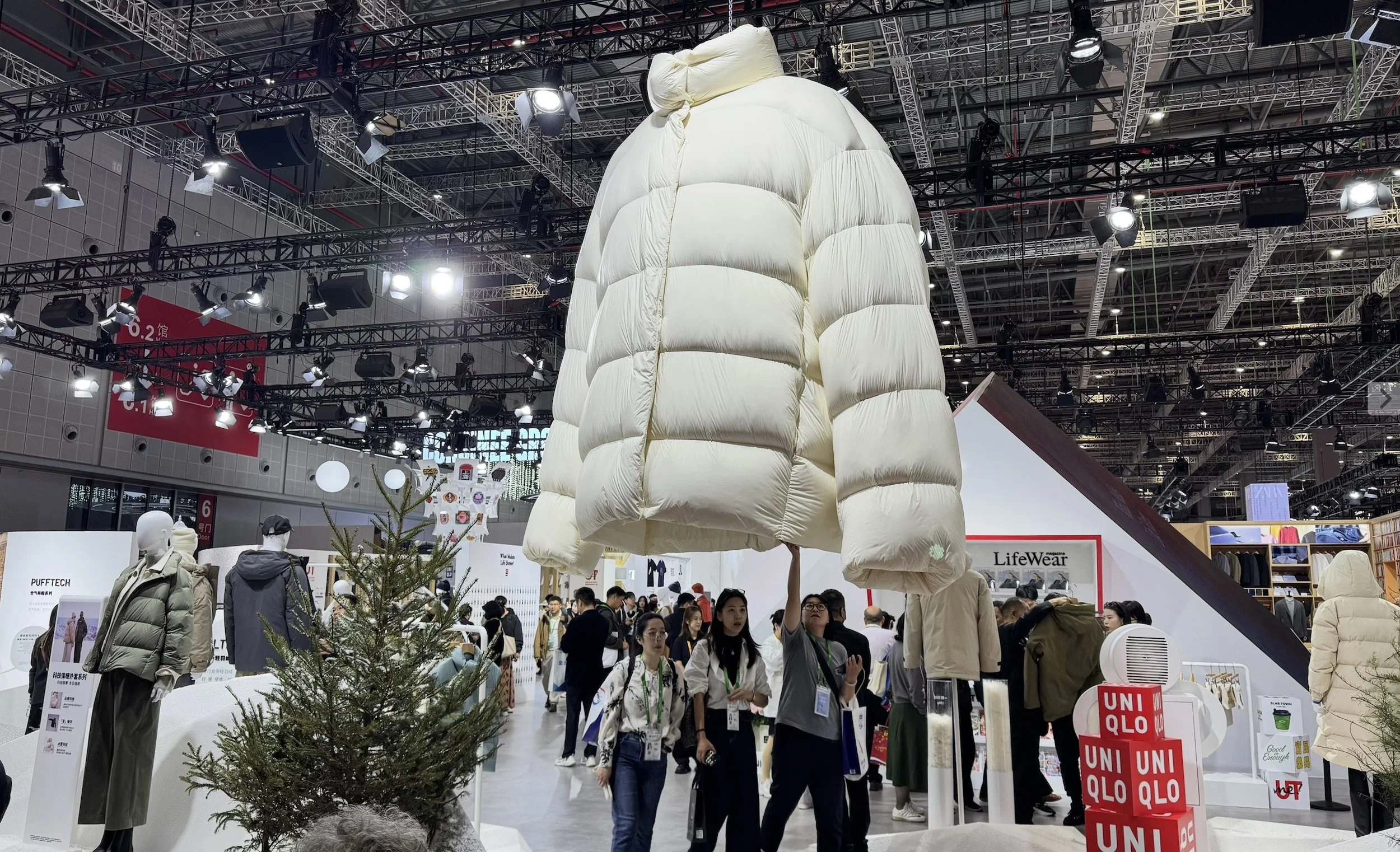
How Western Brands Use CIIE 2025 and How to Secure Your Spot for CIIE 2026
A clear guide to CIIE 2025 and how brands can join CIIE 2026. Learn how Western companies use the expo to test demand, meet real distributors, and show commitment to the China market.

Arabian Oud China Market Entry
How we became Arabian Oud's China partner — developing a full market-entry strategy across trademark registration, e-commerce, social media, and offline retail to build a structured China presence from scratch.

Representation at Trade Shows in China
Full trade show representation in China — booth design and construction, on-site bilingual staff, live demonstrations, and post-event sales follow-up. Every detail handled so your team doesn't need to fly out.

Why Chinese E-commerce Outpace Western Alternatives
China's online shopping is booming while regular stores slow down. Chinese shopping apps beat Amazon with live videos, chat with sellers, and free shipping - even for 0.5 EUR purchases!

How to Launch a Perfume Brand in China
China's perfume market offers a lucrative opportunity for foreign brands. How can you start selling there, and what are the must-dos for successful perfume sales?

Is Your Chinese Distributor Holding Your Brand Hostage?
First order feels great, but watch out for empty promises and stalled growth! This scenario is more common than you think, and it's a trap many foreign brands fall into.

Can Western Influencers Succeed in China?
So you're a creator who found success on Instagram, YouTube, or other Western platforms, and now you want to expand to China. Will it work?

China Market Entry Checklist: Are You Really Ready?
Jumping in unprepared is a common, and often costly, mistake. This checklist is designed to help you look inward, prompting critical questions across key areas to gauge whether your business is truly prepared to enter the Chinese market.

Choosing Your Optimal China Market Entry Model
How will your business legally operate within China? Choosing the right market entry model is fundamental, impacting everything from your level of control and investment requirements to operational flexibility and regulatory pathways.
A Strategic Guide to Tmall Store Operations
This guide provides an expert-level overview for brands operating stores on Tmall and Taobao. It goes into the daily operational routines, critical customer service practices and the key success factors and performance indicators.

The Real Cost of Selling on Tmall
Establishing a presence on Tmall, is a significant step towards accessing China's vast consumer market. Prospective sellers must look beyond the potential revenue and understand the financial commitments involved.

Chinese Customer Service
Long-term success isn't built on one-time transactions; it relies heavily on customer retention – encouraging shoppers to return again and again. In the unique and demanding Chinese market, one of the most critical factors influencing customer loyalty and retention is the quality of your customer service.

Social Commerce
In the West, social media and e-commerce often operate in distinct spheres. You might discover a product on Instagram or Facebook, but completing the purchase usually requires clicking out to a separate online store. In China, however, these have effectively merged.