
Tmall vs JD: Which E-Commerce Platform Is Right for Your Brand?
Tmall vs JD: Which E-Commerce Platform Is Right for Your Brand?
Tmall and JD are China's two dominant e-commerce platforms — but they serve different audiences, use different business models, and suit different types of brands. Here's how to decide which one is right for you.
 By Shanghai Jungle · Published · 13 min read

The Quick Answer: Tmall vs JD for Foreign Brands
If you're a foreign brand deciding between Tmall and JD for entering China's e-commerce market, here's the short version before we dive into the details:
Choose Tmall If...
- You want the largest market reach
- Brand building is a priority
- You sell beauty, fashion, food, or lifestyle
- You want a flagship store model
- This is your first China platform
Choose JD If...
- You sell electronics or appliances
- Fast logistics is a key differentiator
- You prefer a B2B wholesale option
- Your products appeal to male consumers
- Authenticity is your biggest selling point
Use Both If...
- You've proven product-market fit on one platform
- You have budget for dual-platform operations
- You want maximum market coverage
- Your TP can manage both platforms
- You're in year two or later
For most foreign brands, Tmall Global is the better starting point. It has the largest cross-border e-commerce market share, the most mature brand-building infrastructure, and the strongest ecosystem for international brands. JD Worldwide is an excellent second platform — and for specific categories like electronics and premium health products, it can be the better primary choice.
Now let's break down the comparison in detail so you can make the right decision for your specific situation.
Platform Overview: Tmall vs JD at a Glance
| Dimension | Tmall | JD |
|---|---|---|
| Parent Company | Alibaba Group | JD.com, Inc. |
| Market Share | ~50%+ of B2C e-commerce | ~15-20% of B2C e-commerce |
| Cross-Border Platform | Tmall Global | JD Worldwide |
| Business Model | Third-party marketplace (brands run their own stores) | Hybrid: self-operated retail + third-party marketplace |
| GMV (2024) | ~¥7+ trillion (Taobao + Tmall combined) | ~¥3.7 trillion |
| Logistics | Cainiao Network (asset-light, partner-based) | JD Logistics (proprietary, 1,600+ warehouses, 32M sqm) |
| Category Strength | Beauty, fashion, food, lifestyle, luxury | Electronics, appliances, health, fresh goods |
| Audience Skew | Slightly more female, broader demographics | Slightly more male, 18-35, tech-savvy |
| Ecosystem | Taobao, Alipay, Ele.me, Cainiao, Alibaba Cloud | JD Logistics, JD Finance, JD Health, Dada (on-demand) |
Source: iResearch China E-Commerce Report and company earnings reports, 2024. Douyin share estimated based on GMV growth trajectory.
How Do Their Business Models Differ?
The fundamental difference between Tmall and JD is their business model — and this difference affects everything from how you operate your store to how your products reach consumers.
Tmall: Pure Marketplace
- Brands operate their own flagship stores
- You control pricing, content, and promotions
- Store operated by a Tmall Partner (TP)
- Tmall provides the platform; you provide everything else
- Customer relationship sits with the brand/TP
- Think: "a premium mall where you rent a storefront"
JD: Hybrid Model
- Self-operated (1P): JD buys from you and resells — like a retailer
- Marketplace (3P): You run your own store on JD's platform
- JD Worldwide: Cross-border version with both 1P and 3P options
- In 1P model, JD controls pricing and fulfillment
- In 3P model, you operate similarly to Tmall
- Think: "part department store, part mall"
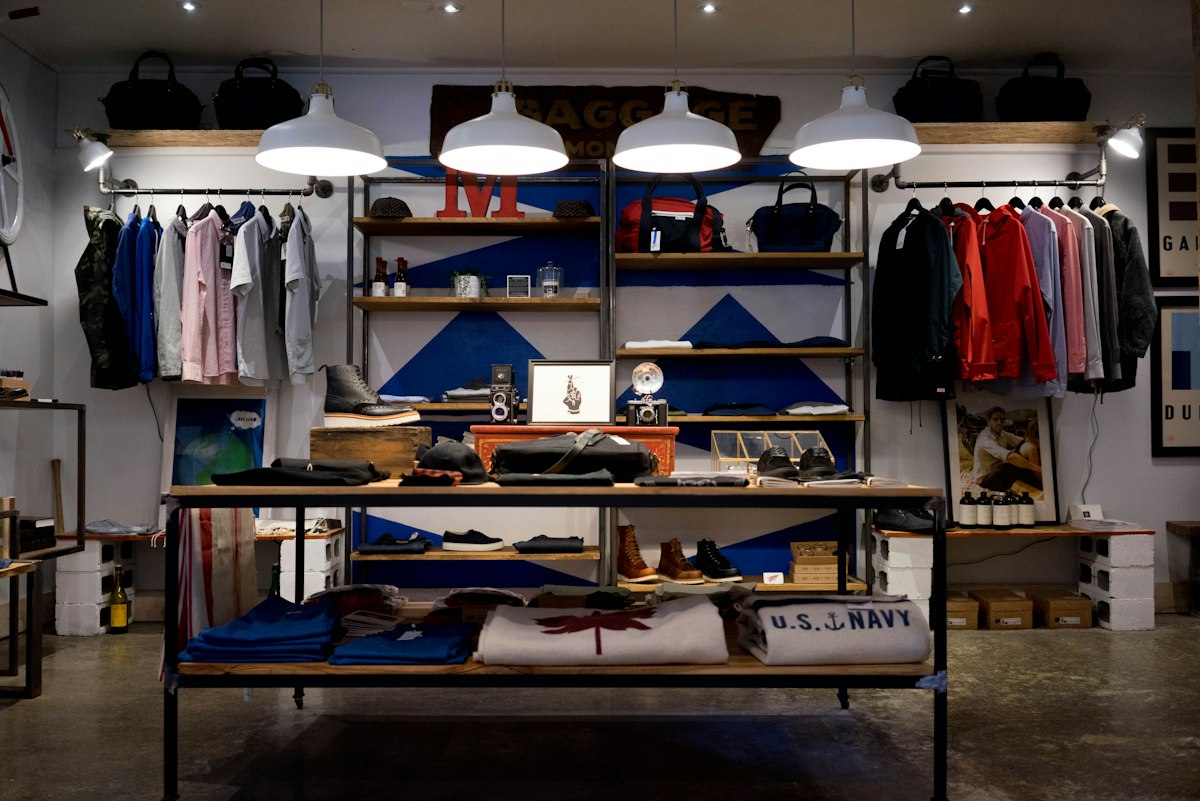
What This Means for Foreign Brands
On Tmall, you're always operating your own branded flagship store (through a TP). You have full control over your brand presentation, pricing, and marketing — but you're also responsible for everything. The TP handles execution, but the strategic decisions are yours.
On JD, you have a choice. The self-operated (1P) model means JD purchases your products at wholesale prices and handles everything — listing, pricing, fulfillment, customer service. You lose control but gain simplicity. The marketplace (3P) model is more similar to Tmall, where you run your own store. Many foreign brands on JD Worldwide use a hybrid approach, with some products self-operated and others on the marketplace.
A note on Tmall's wholesale channel: Tmall has been experimenting with a wholesale/distribution model (sometimes called Tmall Supply Chain or Tmall Direct), where Alibaba purchases inventory from brands and resells it. However, this remains very limited in scope and is not a core part of the Tmall offering for foreign brands. The platform's identity and competitive advantage are built around the flagship store marketplace model, and the wholesale channel should not factor into most brands' platform decisions.
Who Shops Where? Audience and Demographics
While both platforms have massive and overlapping user bases, their audience profiles differ in ways that matter for foreign brands:
| Characteristic | Tmall | JD |
|---|---|---|
| Gender Split | Slightly more female (~55% F / 45% M) | Slightly more male (~45% F / 55% M) |
| Core Age | 25-45, broad demographic | 18-35, tech-savvy demographic |
| Geography | Strong across all tiers, especially Tier 1-2 | Strong in Tier 1-2, growing in lower tiers |
| Shopping Behavior | Brand discovery, browsing, social influence | Search-driven, price comparison, repeat purchase |
| Purchase Motivation | Brand trust, product variety, lifestyle aspiration | Product quality, fast delivery, authenticity guarantee |
| Spending Power | Full spectrum — mass to premium to luxury | Mid-to-premium — strong in considered purchases |
Source: QuestMobile China Mobile Internet Report and platform disclosures, 2024. Gender splits are approximate.
That said, both platforms have hundreds of millions of users across all demographics. The differences are about skew, not exclusion. You can find any type of consumer on both platforms — the question is where your specific target audience is more concentrated and receptive.
Which Platform Has Lower Fees?
Cost structure is one of the most frequent questions from foreign brands. Both platforms charge deposits, service fees, and commissions — but the structures differ.
| Fee Type | Tmall / Tmall Global | JD / JD Worldwide |
|---|---|---|
| Platform Commission | 2 - 5% (category-dependent) | 2 - 8% (category and model dependent) |
| Payment Processing | ~1% (Alipay) | ~1% (JD Pay / WeChat Pay) |
| Deposit Refundable? | Yes (upon store closure) | Yes (upon store closure) |
| Service Fee Refundable? | Partially (based on GMV achievement) | Partially (based on performance) |
| Partner/TP Retainer | ¥10,000 - 100,000/month | ¥10,000 - 100,000/month |
| Partner/TP Commission | 5 - 25% of GMV | 5 - 25% of GMV |
JD generally has lower upfront fixed costs — lower deposit and lower annual service fee. However, Tmall's commission rates tend to be more predictable and, for many categories, lower than JD's marketplace rates. The total cost difference is usually not dramatic enough to drive platform selection on its own.
Which Platform Wins for Your Category?
This is where the decision often becomes clearest. Both platforms have category strengths that reflect their audience, brand partnerships, and operational capabilities:
| Category | Stronger Platform | Why |
|---|---|---|
| Beauty and Skincare | Tmall ✓ | Larger beauty shopper base, better beauty marketing tools, stronger KOL ecosystem integration |
| Fashion and Apparel | Tmall ✓ | More fashion-focused audience, Luxury Pavilion, better brand storytelling tools |
| Consumer Electronics | JD ✓ | Stronger electronics heritage, better logistics for large items, authenticity reputation |
| Home Appliances | JD ✓ | White-glove delivery, installation services, after-sales support infrastructure |
| Health Supplements | Both (slight edge: JD) | JD's health-focused audience and JD Health ecosystem; Tmall has more volume overall |
| Food and Beverage | Both (slight edge: Tmall) | Tmall has more food brands; JD has better cold-chain for perishables |
| Baby and Maternity | Both | Strong on both platforms — parent consumers are loyal to both |
| Luxury | Tmall ✓ | Tmall Luxury Pavilion is the established luxury destination; JD has Toplife but smaller |
| Pet Products | Both (slight edge: Tmall) | Growing fast on both; Tmall has more pet brand presence |
| Sports and Outdoor | Both | Strong on both platforms; JD is growing in this space |
Which Has Better Logistics?
Logistics is where JD has a clear structural advantage — and it's one of the biggest differentiators between the two platforms.
Tmall Logistics (Cainiao Network)
- Model: Asset-light — coordinates third-party logistics partners
- Delivery: Standard 2-5 days; same-day/next-day in major cities via partners
- CBEC: Partners with bonded warehouse operators; brand selects 3PL
- Strength: Flexibility, broad network, competitive pricing
- Weakness: Less consistent quality control across partners
JD Logistics (Proprietary)
- Model: Asset-heavy — owns 1,600+ warehouses, 32M sqm GFA
- Delivery: Same-day and next-day for 90%+ of orders in major cities
- CBEC: Bonded warehouses in major FTZs; integrated with JD fulfillment
- Strength: Speed, consistency, white-glove service for large items
- Weakness: Higher costs, less flexibility for brands that want to use own 3PL
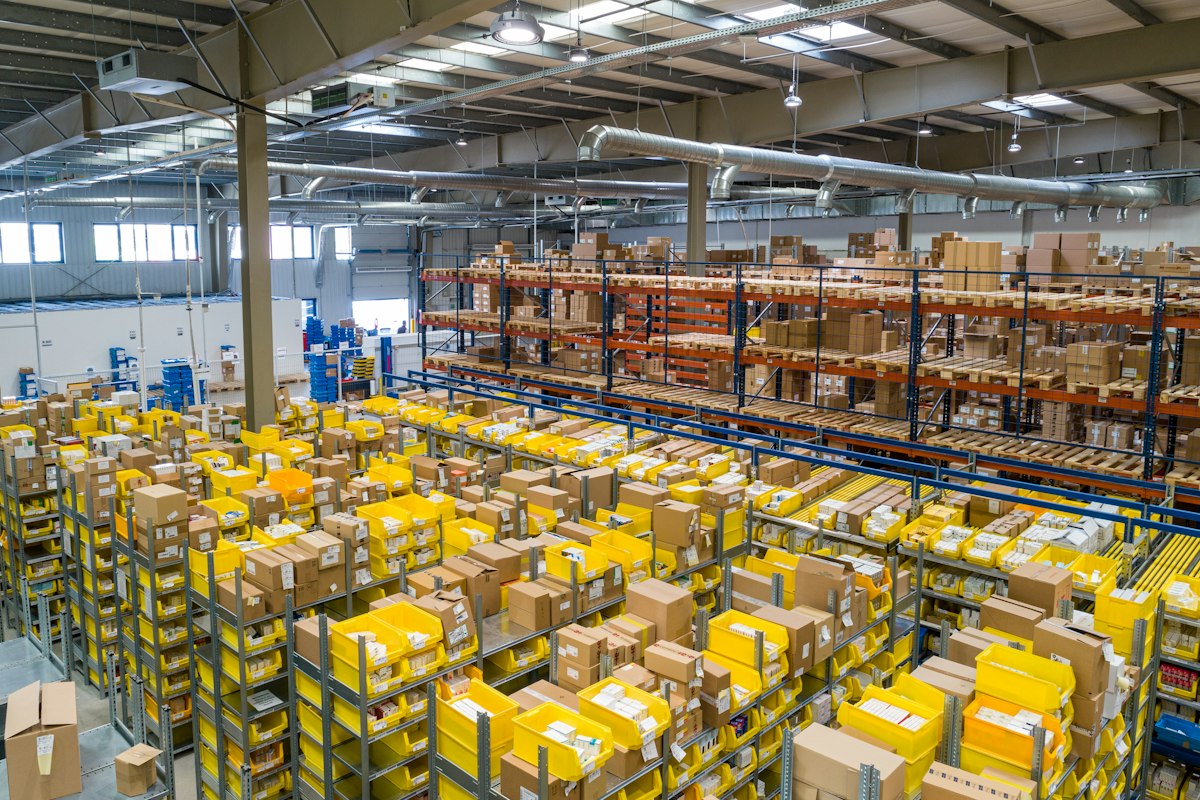
For the CBEC model used by most foreign brands, the logistics difference is less pronounced. Both platforms use the same bonded warehouse infrastructure, and delivery times for cross-border orders are similar (2-5 days from bonded warehouse). JD's logistics advantage is most significant for domestic commerce, where same-day delivery is a major competitive differentiator.
Marketing and Advertising Tools
Both platforms offer sophisticated advertising systems, but their approaches and ecosystem integrations differ:
Tmall's Marketing Ecosystem
- Zhitongche: Cost-per-click keyword advertising within search results — Tmall's equivalent of Google Ads
- Pinxiaobao: Cost-per-click display advertising across the Taobao/Tmall ecosystem
- Wanxiangtai: AI-powered advertising that optimizes across multiple placements
- Super Brand Day: Dedicated promotional events for individual brands — significant GMV driver
- Tmall Luxury Pavilion: Premium brand-building environment for luxury brands
- Ecosystem integration: Direct integration with Little Red Book (Xiaohongshu) and Douyin for content-to-commerce flows
JD's Marketing Ecosystem
- JD Express (京速推): Search and display advertising within JD
- Jingzhun (京准通): Precision marketing targeting based on JD's purchase data
- JD PLUS Membership: Integration with JD's premium membership program for targeted promotions
- Super Brand Day: Similar dedicated brand events (both platforms offer this)
- JD Live: Livestreaming commerce within the JD ecosystem
- Ecosystem integration: Partnership with Tencent ecosystem (WeChat, QQ) for traffic acquisition
Cross-Border E-Commerce: Tmall Global vs JD Worldwide
For foreign brands without a Chinese legal entity, the comparison shifts to the cross-border platforms: Tmall Global and JD Worldwide.
| Feature | Tmall Global | JD Worldwide |
|---|---|---|
| CBEC Market Share | Largest cross-border platform | Second largest |
| Store Model | Brand flagship store (3P only) | Flagship store (3P) or self-operated (1P) |
| TP Required? | Yes (for most brands) | Recommended for 3P; not needed for 1P |
| Fulfillment | Bonded warehouse + direct ship | Bonded warehouse + direct ship + JD self-operated fulfillment |
| Brand Building | Stronger — flagship store is a brand asset | More limited in 1P model; comparable in 3P |
| Entry Complexity | Moderate — requires TP, documentation, deposit | Lower for 1P (JD handles operations); similar for 3P |
| Best For | Most foreign brands — default starting point | Electronics, health, brands wanting simpler 1P model |
The key difference in the cross-border context is that JD Worldwide offers a self-operated option where JD essentially acts as your retailer in China — they buy from you at wholesale and handle everything else. This is simpler to manage but gives you less control over pricing, positioning, and consumer experience. It's similar to selling to a department store versus running your own boutique.
Tmall Global's model is always brand-operated (through a TP), which means more work but more brand equity. For a deeper understanding of how CBEC works on both platforms, see our cross-border e-commerce guide. If you're considering the longer-term move to domestic Tmall, see our Tmall Global vs Domestic Tmall comparison.
When Should You Sell on Both Platforms?
Many foreign brands eventually sell on both Tmall and JD. The user bases partially overlap but there are millions of consumers who are loyal to one platform. Running stores on both maximizes your total addressable market.
The question isn't whether to use both — it's when. Here's a practical framework:
Year 1: Start With One Platform
- Choose Tmall Global or JD Worldwide based on your category and priorities (see the category table above)
- Focus all resources on building a strong foundation: store optimization, review accumulation, search ranking, and marketing efficiency
- Learn the China e-commerce mechanics on one platform before doubling complexity
- Use this year to validate product-market fit and refine your hero SKU lineup
Year 2+: Expand to the Second Platform
- Once your first platform is generating consistent revenue and you've optimized operations, expand
- Your TP may be able to manage both platforms, reducing the need for a second operator
- You can reuse many assets — product photography, Chinese copywriting, brand guidelines — reducing setup time
- Budget for incremental marketing spend on the second platform (don't cannibalize your first platform's budget)
6 Common Mistakes in Platform Selection
1. Choosing Based on Fees Instead of Fit
JD's lower deposits and annual fees are attractive, but the fee savings are negligible compared to your total China e-commerce investment. Choose the platform where your target consumers shop and where your category has the strongest infrastructure — not the one that saves you ¥20,000-30,000 in fixed costs.
2. Assuming JD's Self-Operated Model Is "Easier"
JD's 1P model seems simpler — ship them product, they handle the rest. But you're giving up pricing control, brand presentation, and customer relationship. For brands building long-term equity in China, this tradeoff is often a bad one. The "easy" path frequently leads to lower margins and less brand awareness.
3. Ignoring the Social Commerce Layer
Platform selection doesn't happen in isolation. Tmall integrates more naturally with Little Red Book (Xiaohongshu) and Douyin content-to-commerce flows. JD integrates with WeChat traffic. Consider which social commerce channels you're planning to invest in and how they connect to your chosen platform.
4. Duplicating Strategy Across Platforms
When expanding to a second platform, many brands simply copy their first store. Each platform has different search algorithms, promotional mechanics, consumer expectations, and best practices. Your product selection, pricing, and marketing approach may need to be adapted.
5. Not Considering Shopping Festival Dynamics
Tmall and JD compete fiercely during 618 and 11.11, but the promotional mechanics, discount requirements, and traffic patterns differ. Your TP should have specific festival strategies for each platform — not a one-size-fits-all approach.
6. Choosing a Platform Without Checking TP Coverage
Your Tmall Partner's platform expertise matters enormously. Some TPs are Tmall specialists with limited JD experience, and vice versa. Before selecting a platform, verify that your TP has strong operational capability and a track record on that specific platform.
Frequently Asked Questions
Should foreign brands choose Tmall or JD to sell in China?
What are the fee differences between Tmall and JD?
What is the difference between Tmall Global and JD Worldwide?
Which platform is better for cosmetics and beauty brands?
Can foreign brands sell on both Tmall and JD at the same time?
Need Help Choosing the Right Platform?
Shanghai Jungle is an official Tmall Partner with deep experience operating stores on both Tmall Global and JD Worldwide. We help foreign brands choose the right platform, set up operations, and scale across China's e-commerce ecosystem.
- Platform assessment based on your category, budget, and goals
- Full store setup and ongoing operations on Tmall and/or JD
- Locations in Shanghai, Copenhagen, and Stuttgart
Your China market entry partner — from platform selection to full-scale e-commerce operations.