Protein Powder and Sports Nutrition in China: Demand and Channels
Protein Powder and Sports Nutrition in China: Demand and Channels
China's sports nutrition market is one of the fastest-growing in the world, fueled by a fitness boom among urban millennials and Gen Z. Here is what foreign brands need to know about demand, platforms, regulation, and competitive positioning.
Why Sports Nutrition Is Booming in China
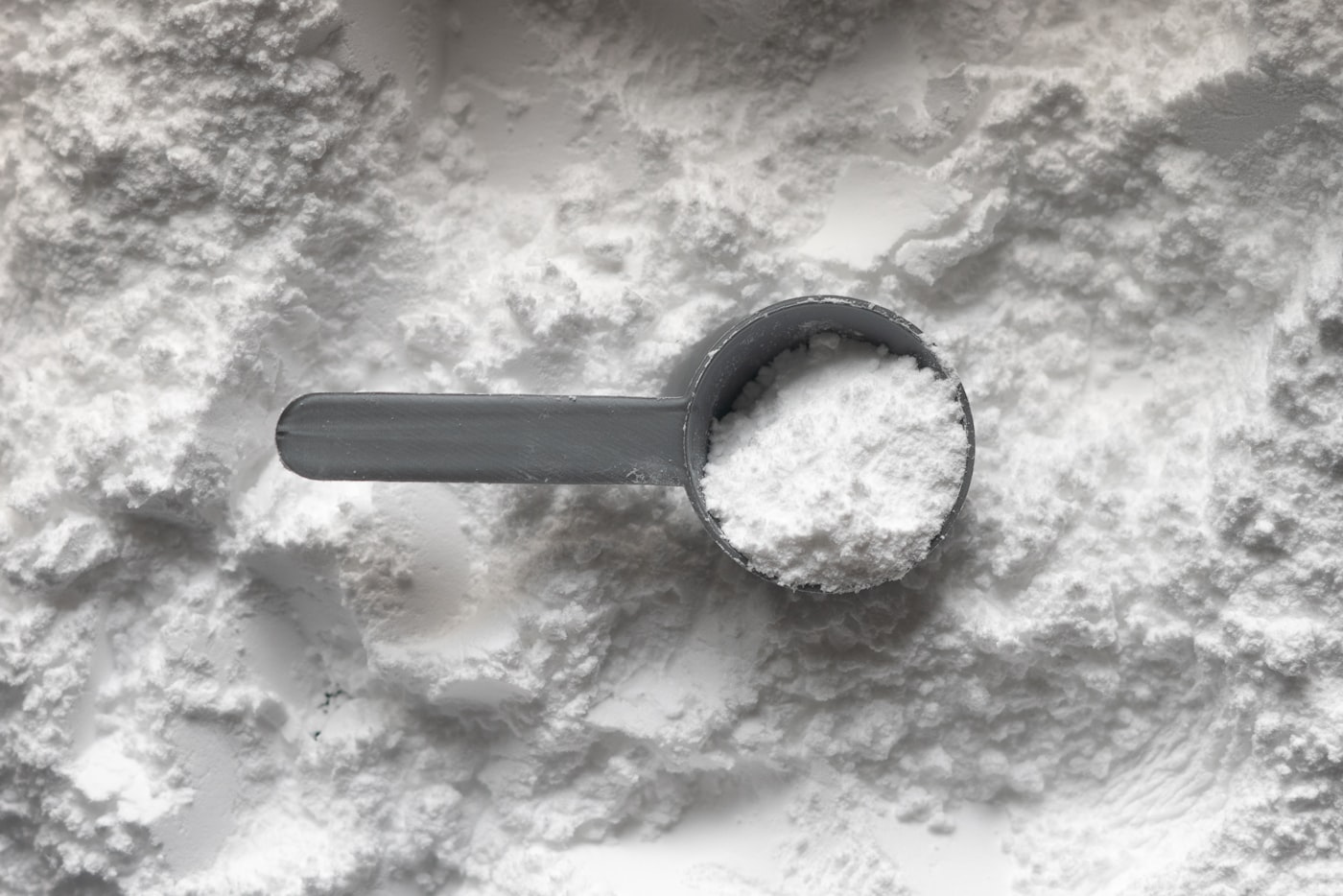
Protein powder and sports nutrition products in China are experiencing a structural shift in demand — driven by demographics, digital culture, and changing attitudes toward fitness and health. The country's sports nutrition market generated $3.1 billion in revenue in 2025, and is projected to reach $8.6 billion by 2033 at a compound annual growth rate of 13.5%.
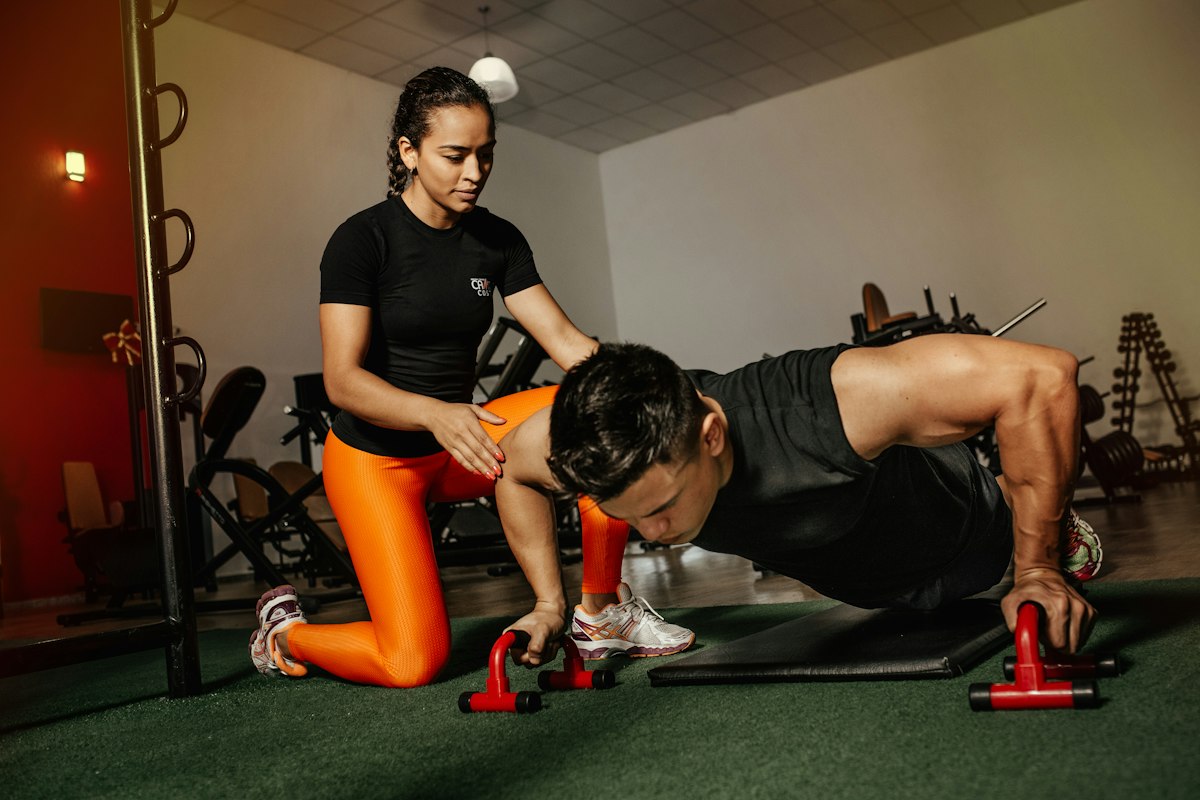
Several forces are converging to create this growth. China's urban population — particularly millennials and Gen Z — has adopted fitness as a lifestyle marker. The Keep fitness app, China's dominant workout platform, has accumulated over 300 million registered users. Gym memberships in Tier 1 and Tier 2 cities have grown steadily, and the broader "athleisure" trend has turned sports and wellness into a cultural identity rather than a niche hobby.
The shift from reactive healthcare to proactive wellness is another driver. Chinese consumers increasingly view protein supplementation as part of daily health maintenance — a mindset change from the days when supplements were associated mainly with bodybuilders. Women, older adults, and casual fitness enthusiasts now represent a fast-growing share of demand, broadening the market well beyond the traditional gym-going male demographic.
Market Size and Growth Projections
The numbers tell a clear story. China's sports nutrition market is large, growing fast, and attracting investment from both domestic and international players.
China Sports Nutrition Market — Key Segments (2025 Sales)
Source: Glanbia Nutritionals / Euromonitor, 2025 estimates. CAGR forecasts 2023–2027.The protein powder segment alone is worth approximately $1.2 billion, growing at a 10.3% CAGR through 2027. Smaller but faster-growing segments include ready-to-drink protein beverages (17% CAGR), protein bars (12.1% CAGR), and ready-to-eat protein snacks (8.8% CAGR). Whey protein — the largest ingredient category — represents roughly $1 billion in market value, with whey protein isolate and concentrate commanding premium pricing.
Plant-based protein is gaining ground rapidly. Pea protein accounts for approximately 15% of market share as clean-label and allergen-free preferences grow. Soy protein remains significant due to local sourcing advantages — BYHEALTH, one of China's largest supplement companies, uses a 2:3 animal-to-soy protein ratio in its flagship products, reflecting domestic ingredient preferences.
Consumer Segments and What They Buy
Understanding who buys protein powder in China — and why — is essential for positioning a foreign brand. The market has evolved well beyond its original core of male bodybuilders.
Male Fitness Enthusiasts (Still the Largest Segment)
Men remain the primary buyers of protein powder, particularly whey protein isolate and concentrate products. Their purchase decisions are driven by protein content per serving, amino acid profiles, and performance claims. Brands like Optimum Nutrition (ON) and MuscleTech have strong recognition in this segment, largely built through years of gym-culture marketing and Tmall presence.
Female Fitness and Wellness Consumers
Women represent the fastest-growing consumer segment for sports nutrition in China. Their preferences differ meaningfully from male buyers: they favor composite protein products with added functional ingredients like L-carnitine for weight management, collagen for skin benefits, and lower-calorie formulations. Taste and packaging aesthetics matter more in this segment. Australian brand Maxines has built a following among Chinese women with protein products specifically formulated for weight loss and body shaping.
Casual Health and Wellness Consumers
A growing cohort of consumers buys protein powder with no specific fitness goal — they view it as a daily nutritional supplement, similar to multivitamins. This segment skews older (30–50), is less brand-loyal, and discovers products primarily through Douyin livestreams and Little Red Book (Xiaohongshu) recommendations rather than gym culture.
26% Prefer Powder Format
Powdered supplements are the dominant format in China's sports nutrition market, far ahead of bars, RTDs, and capsules.
Whey Dominates at ~70%
Whey protein (isolate and concentrate) holds the largest ingredient share, though plant-based alternatives are growing at 15%+ annually.
Women: Fastest Growth
Female consumers drive demand for composite proteins with added benefits — weight management, beauty, and overall wellness formulations.
Key E-Commerce Channels for Sports Nutrition
E-commerce dominates sports nutrition sales in China. Physical retail — primarily gyms, specialty nutrition stores, and pharmacies — still plays a role in sampling and brand building, but the transaction happens online for the vast majority of consumers. Here are the platforms that matter.
Tmall Global (Cross-Border) and Tmall Domestic
Tmall remains the largest online platform for vitamins, dietary supplements, and sports nutrition in China. Tmall Global — the cross-border e-commerce channel — is the primary entry point for foreign brands because it allows sales without domestic product registration (no "Blue Hat" required for supplements). Tmall's health and nutrition vertical has dedicated category managers, promotional calendars, and search algorithms optimized for supplement discovery. Most established foreign sports nutrition brands — ON, MuscleTech, Dymatize, BSN — operate Tmall Global flagship stores.
JD.com and JD Health
JD.com is the second-largest e-commerce platform for supplements, with particular strength in self-operated logistics (JD Direct) that enables same-day or next-day delivery in major cities. JD Health, the platform's dedicated health vertical, offers enhanced credibility for supplement brands through pharmacy-grade presentation and consumer trust signals. JD tends to attract a slightly more male, tech-savvy, and higher-income demographic — well aligned with the core protein powder buyer profile.
Douyin (TikTok China)
Douyin has surpassed JD as the second-largest online platform for consumer health products, including sports nutrition. Douyin's interest-based recommendation algorithm makes it exceptionally effective for product discovery — consumers who watch fitness content are algorithmically served sports nutrition product listings. Douyin marketplace sales for supplements grew 55% year-on-year in Q4 2023, compared to 13% on Tmall and 6% on JD.
Little Red Book (Xiaohongshu)
Xiaohongshu functions as the research and validation layer in the purchase journey. Consumers search for product reviews, ingredient comparisons, and real-user experiences before buying on Tmall or Douyin. Having strong organic content on Xiaohongshu — particularly from fitness KOCs (Key Opinion Consumers) — significantly impacts conversion rates on other platforms.
The Role of Douyin and Fitness KOLs
Douyin has fundamentally changed how sports nutrition products are discovered and purchased in China. The platform's combination of short-form video, livestream commerce, and an algorithmic feed that matches content to intent makes it the most powerful acquisition channel for fitness and supplement brands.
Fitness KOLs (Key Opinion Leaders) on Douyin drive awareness and sales simultaneously. Unlike traditional influencer marketing where awareness and conversion are separate funnels, Douyin's integrated shopping features allow viewers to purchase directly from a KOL's livestream or video. The most effective sports nutrition campaigns pair a high-follower fitness KOL for reach with multiple smaller KOCs for authenticity and social proof.
What Works on Douyin for Sports Nutrition
- Workout-to-shake content: Short videos that integrate product use into workout routines — showing the product in context rather than as a standalone ad — perform significantly better than traditional product demonstrations.
- Ingredient education: Chinese consumers are increasingly ingredient-literate. Content explaining whey isolate vs. concentrate, BCAAs, creatine, and protein timing resonates with a health-conscious audience that researches before purchasing.
- Before/after transformation content: Body composition results — presented authentically and within regulatory guidelines — remain among the highest-engagement content formats for sports nutrition on Douyin.
- Livestream flash sales: Dedicated livestream sessions with fitness KOLs offering platform-exclusive pricing generate concentrated purchase volume. Brands often use these events to clear inventory or launch new SKUs.
CBEC: The Fastest Path for Foreign Supplement Brands
Cross-border e-commerce (CBEC) is the primary market entry route for foreign sports nutrition brands selling into China. The CBEC channel offers one critical advantage: products sold via CBEC do not require domestic CFDA/SAMR registration (the "Blue Hat" certification that applies to health food products sold through general trade). This bypasses a process that typically takes 2–5 years and costs $50,000–$200,000+ per SKU.
Under the CBEC framework, foreign brands can sell supplements on Tmall Global and other cross-border platforms within 6–12 weeks of preparation, provided the products meet the CBEC positive list requirements and comply with labeling and customs documentation standards.
Key CBEC Requirements for Sports Nutrition Products
- Positive list eligibility: Protein powders, amino acid supplements, and most sports nutrition products are eligible for CBEC import under China's cross-border positive list. Verify specific ingredients and claims against the latest list version.
- Per-transaction limits: Individual CBEC transactions are capped at RMB 5,000 (approximately $700), with an annual per-person cap of RMB 26,000. Standard protein powder orders fall well within these limits.
- Bonded warehouse or direct mail: Products can be pre-stocked in Chinese bonded warehouses for faster delivery (2–5 days) or shipped direct-mail from overseas (7–15 days). Bonded warehouse stocking is strongly recommended for competitive delivery times.
- Traceability and recall systems: China's evolving CBEC regulations require product traceability systems, real-time transaction reporting to customs, and recall mechanisms. Foreign manufacturers must appoint a domestic partner to facilitate compliance.
Competitive Landscape: International vs. Domestic Brands
China's sports nutrition market features a mix of established international brands, fast-growing domestic players, and emerging niche brands competing for shelf space and algorithm visibility.
Established International Brands
Optimum Nutrition (ON) remains the most recognized foreign protein powder brand in China, with a strong Tmall Global presence and deep brand equity among serious fitness consumers. MuscleTech competes directly with a broader product range and aggressive promotional pricing. Other notable international brands include Dymatize, BSN, and Myprotein — the UK-based brand that has built significant market share through competitive pricing and a direct-to-consumer approach optimized for Chinese platforms.
Rising Domestic Competitors
BYHEALTH (汤臣倍健) is China's largest domestic supplement company and a formidable competitor in the protein powder category. The company recently launched an upgraded flagship protein powder with 90% protein content, signaling its intent to compete at the premium end. Muscledog (肌肉科技) and other domestic brands compete on price, local distribution, and Douyin-native marketing strategies that foreign brands often struggle to replicate.
Where Foreign Brands Have an Advantage
- Perceived quality and safety: Foreign-manufactured supplements benefit from strong trust signals among Chinese consumers — particularly products from the US, Australia, New Zealand, and Europe. The 2008 melamine scandal and periodic food safety concerns continue to drive premium willingness for imported products.
- Ingredient innovation: International brands typically lead in novel ingredients, clinically-backed formulations, and third-party certifications (Informed Sport, NSF, etc.) that Chinese consumers increasingly recognize and value.
- Brand heritage: Brands with authentic ties to competitive sports, Olympic athletes, or professional fitness — backed by real history — have a credibility advantage that domestic brands find difficult to replicate.
Positioning and Pricing Strategy for Foreign Brands
Pricing strategy in China's sports nutrition market requires careful calibration. The market supports a wide price range, but foreign brands need to position deliberately rather than defaulting to their global pricing.
Price Tiers in the Market
Budget Tier
RMB 0.8–1.5/gram protein. Dominated by domestic brands. Price competition is intense and margins are thin. Not recommended for foreign entrants.
Mid-Range
RMB 1.5–2.5/gram protein. The sweet spot for established international brands like ON and MuscleTech. Volume potential is highest here.
Premium
RMB 2.5–4+/gram protein. Viable for brands with clear differentiation — clinical backing, novel ingredients, niche positioning (organic, grass-fed, etc.).
Positioning Approaches That Work
- Functional differentiation: Instead of competing on generic "whey protein" claims, lead with a specific functional benefit — muscle recovery, weight management, daily protein supplementation for older adults, or beauty-plus-fitness for female consumers.
- Ingredient story: Grass-fed whey from New Zealand, organic plant protein, patented amino acid complexes — ingredient provenance and manufacturing story resonate with China's ingredient-conscious consumers.
- Format innovation: While powder dominates, ready-to-drink formats (17% CAGR) and protein bars (12% CAGR) are growing faster. Brands that enter with multi-format product lines can capture emerging demand before the category matures.
- Female-specific lines: Dedicated product lines for women — with tailored formulations, smaller serving sizes, appealing flavors, and aesthetic packaging — tap into the fastest-growing demographic segment.
How to Enter China's Sports Nutrition Market
For foreign protein powder and sports nutrition brands, the entry sequence matters as much as the strategy. Here is a practical step-by-step approach based on how successful brands have launched in China.
- Validate CBEC eligibility. Confirm your product ingredients are on China's cross-border e-commerce positive list. Review any restricted claims or ingredients that could trigger regulatory issues.
- Set up a Tmall Global flagship store. This remains the foundation for credibility and discoverability. Work with an official Tmall Partner (TP) to handle store setup, content localization, and ongoing operations.
- Localize product positioning. Translate and adapt all product claims, ingredient lists, and marketing materials for the Chinese market. This goes beyond translation — it requires understanding which benefits resonate with Chinese consumers and which claims are legally permissible.
- Launch a Douyin KOL seeding campaign. Begin with 10–15 mid-tier fitness KOCs to generate initial content and social proof. Run this in parallel with Tmall store setup so organic Douyin content is already circulating when your store goes live.
- Build Xiaohongshu presence. Seed product reviews and ingredient-education content on Xiaohongshu. This platform serves as the research layer — consumers who discover you on Douyin will search for you on Xiaohongshu before purchasing on Tmall.
- Plan for Douyin e-commerce. Once initial brand awareness exists, open a Douyin store and begin livestream commerce. This becomes your primary growth channel for acquisition volume.
- Evaluate JD and WeChat. After establishing on Tmall and Douyin, expand to JD.com for its logistics advantages and WeChat mini-programs for private domain building and repeat purchase optimization.
Launch Your Sports Nutrition Brand in China
Shanghai Jungle helps foreign supplement and sports nutrition brands enter China through cross-border e-commerce — from regulatory setup to platform operations and KOL marketing.
- CBEC setup on Tmall Global and Douyin
- KOL and KOC campaigns with fitness influencers
- Full-service store operations and growth management
Frequently Asked Questions
How big is the protein powder market in China?
China's protein powder market is worth approximately $1.2 billion as of 2025, growing at a 10.3% compound annual growth rate. The broader sports nutrition market — including sports drinks, bars, and ready-to-drink products — generated $3.1 billion in 2025 and is projected to reach $8.6 billion by 2033. Whey protein remains the dominant ingredient category, though plant-based protein (particularly pea protein) is the fastest-growing segment.
Can I sell protein powder in China without CFDA registration?
Yes, through cross-border e-commerce (CBEC). Products sold via CBEC platforms like Tmall Global do not require domestic CFDA/SAMR registration (the "Blue Hat" certification). This allows foreign brands to start selling within 6–12 weeks instead of waiting 2–5 years for general trade registration. The products must be on China's CBEC positive list and meet customs documentation and labeling requirements.
Which platforms are best for selling sports nutrition in China?
Tmall Global is the primary platform for foreign sports nutrition brands entering China, offering the largest audience and strongest brand credibility signals. Douyin has emerged as the second-largest channel, growing 55% year-on-year, and is particularly effective for product discovery through fitness KOL content. JD.com offers logistics advantages with same-day delivery. Little Red Book (Xiaohongshu) serves as the research and validation layer where consumers check reviews before purchasing.
What types of protein products sell best in China?
Whey protein isolate and concentrate powders remain the top sellers, particularly among male fitness consumers. The fastest-growing segments are ready-to-drink protein beverages (17% CAGR), protein bars (12.1% CAGR), and composite protein products designed for women that include added functional ingredients like L-carnitine, collagen, and vitamins. Plant-based protein — especially pea protein — is gaining share as clean-label preferences grow.
How much does it cost to enter China's sports nutrition market?
Entry costs vary by strategy. A CBEC setup on Tmall Global typically requires $15,000–$30,000 for store setup, initial inventory stocking in bonded warehouses, and content localization. A 3-month KOL seeding campaign on Douyin and Xiaohongshu adds $10,000–$30,000 depending on KOL tier and volume. Ongoing monthly operating costs — including platform fees, advertising, and partner management — typically range from $5,000–$15,000. Most brands should plan for a 12–18 month investment before expecting positive ROI.