
China Market Entry for
American Brands
American brands carry massive cultural influence in China. From skincare and supplements to consumer goods, US products are actively sought out by Chinese consumers. But converting recognition into sales requires navigating platform ecosystems, regulatory frameworks, and consumer behavior that work differently from anything in the US market.
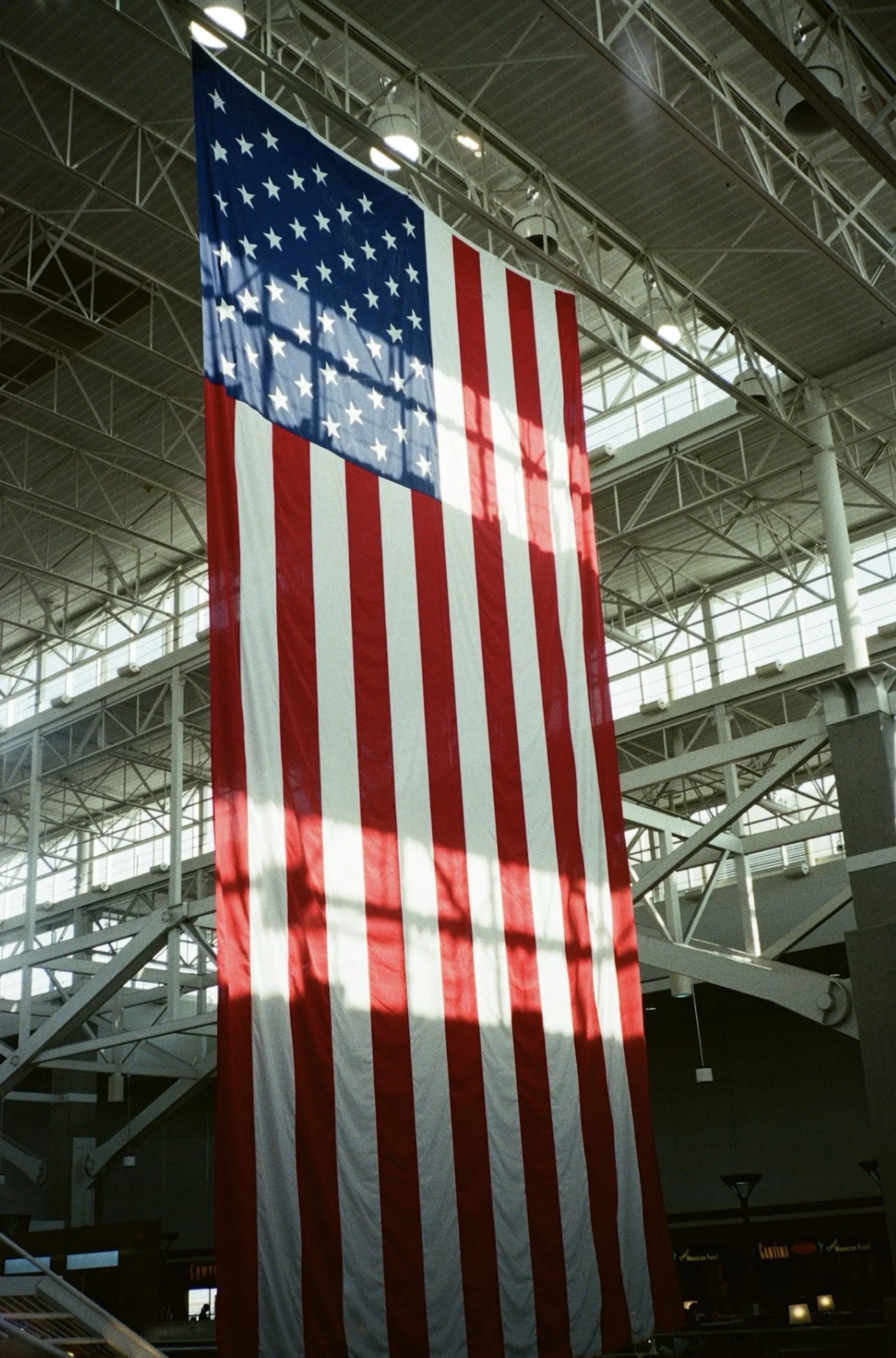
Why American Brands Have Built-In Demand in China
American cultural influence runs deep in China. Chinese consumers associate US brands with innovation, scientific advancement, and aspirational lifestyles — from skincare formulations to supplement science to consumer technology.
Despite fluctuations in political relations, consumer demand for American products has proven resilient. US brands benefit from decades of cultural export through media, entertainment, and technology that has built genuine brand affinity among Chinese consumers — particularly in the 25–45 age group.
The United States is China's third-largest source of imports. In categories like supplements, beauty, and personal care, American brands consistently command premium pricing. Chinese consumers actively seek out US products on cross-border platforms, viewing American origin as a signal of quality, innovation, and scientific rigor.
Three Ways American Brands Enter China
Most American brands choose cross-border e-commerce as their starting point — the fastest path to market with the lowest upfront cost and risk.
Cross-Border E-Commerce (CBEC)
Sell on Tmall Global or JD Worldwide using your existing US company. No Chinese entity, no domestic product registration, reduced import taxes. Products ship from bonded warehouses and reach customers in 3–5 days.
WFOE (Wholly Foreign-Owned Enterprise)
Set up a Chinese subsidiary for domestic platforms like Tmall (not Global), retail stores, and unrestricted operations. Required for categories needing domestic registration such as cosmetics (NMPA).
Distribution Partnership
Chinese distributor buys your products and resells under their own import license. Faster market access but limited control over pricing, brand presentation, and customer data.
How an American Brand Launches in China
From trademark registration to first sale — a typical cross-border launch takes 6 to 12 weeks with the right partner.
-
01
Trademark Registration in China
File with CNIPA before anything else. China is first-to-file — if someone registers your brand name first, they own it in China regardless of your US trademark. Takes 6–9 months; proceed with other steps in parallel.
CNIPA Filing First-to-File Nice Classification -
02
Platform Selection and Store Setup
Choose Tmall Global, JD Worldwide, or multi-platform. Submit brand documentation and business license. Store design, product listing localization, and pricing strategy happen in this phase.
Tmall Global JD Worldwide Store Design -
03
Logistics and Bonded Warehouse
Ship initial inventory to a bonded warehouse in a Chinese free trade zone. Products clear customs per-order under the CBEC framework. Delivery to consumers in 3–5 business days.
Bonded Warehouse Free Trade Zone 3–5 Day Delivery -
04
Marketing and Customer Acquisition
Little Red Book (Xiaohongshu) seeding, Douyin short videos, WeChat content, Tmall ads (Zhitongche), and KOL/KOC collaborations during key shopping events (11.11, 618, Chinese New Year).
Little Red Book (Xiaohongshu) Douyin KOL/KOC Tmall Ads -
05
Daily Operations and Scaling
Mandarin customer service, order management, inventory replenishment, returns, campaign calendar, and performance reporting. The day-to-day happens in Chinese, on Chinese time, on Chinese platforms.
Customer Service Inventory Reporting
American Brands Already Selling in China
From supplement leaders to DTC beauty disruptors — American companies across every major consumer category have built a presence in China's cross-border e-commerce market.
"US consumer brands continue to see strong demand in China's cross-border e-commerce market, with health supplements, skincare, and personal care among the fastest-growing import categories."— China Cross-Border E-Commerce Industry Report, 2024
Cross-Border E-Commerce Is Exempt from US–China Tariffs
This surprises many American brands: the cross-border e-commerce (CBEC) regime operates as a completely separate import channel from general trade. Section 301 tariffs, retaliatory duties, and other trade-war measures do not apply to products sold through CBEC platforms like Tmall Global and JD Worldwide.
Under the CBEC framework, products enter China as personal imports — subject to a flat combined tax of approximately 9.1%, regardless of what is happening in bilateral trade policy. This framework has been in place since 2016 and was reaffirmed as a long-term policy by China's State Council.
- CBEC products are classified as personal imports, not commercial imports — separate customs regime entirely
- Section 301 tariffs and retaliatory duties do not apply to cross-border e-commerce transactions
- Fixed ~9.1% combined tax rate (VAT + consumption tax discount) regardless of trade tensions
- Policy reaffirmed and extended through 2028 — this is not a temporary loophole
- Brands can continue selling to Chinese consumers without restructuring pricing or supply chains
unchanged by trade tariffs or duties
What We Do for American Brands
Shanghai Jungle provides the full infrastructure an American brand needs to operate in China — from pre-launch to daily store management.
Market Entry & Setup
Trademark filing, platform application, store design, product listing localization, pricing strategy, and logistics coordination.
E-Commerce Operations
As an official Tmall Partner, we run your stores on Tmall, Tmall Global, JD, and Douyin. Daily operations, customer service in Mandarin, campaigns, and performance optimization.
Social Media & Content
WeChat, Little Red Book (Xiaohongshu), Douyin, and Weibo — created and managed in native Chinese by our Shanghai-based team.
Influencer Marketing
KOL/KOC identification, negotiation, campaign management, and performance tracking across Douyin, Little Red Book (Xiaohongshu), and WeChat.
Logistics & Import
Bonded warehouse coordination, customs documentation, compliance, inventory management, and fulfillment across China's free trade zones.
Local Representation
Trade shows, partner meetings, product photography, and boots-on-the-ground support. Your Shanghai office without the overhead.
Official Tmall Partner Agency
Shanghai Jungle is authorized by Alibaba to set up and operate Tmall and Tmall Global stores.
Key Terms Explained
A trade framework that allows foreign brands to sell directly to Chinese consumers without establishing a Chinese business entity. Products are treated as personal imports and subject to different regulations and tax rates than regular commercial imports. Tmall Global, JD Worldwide, and Douyin Global Shopping are the main CBEC platforms.
Additional tariffs on certain goods as part of US–China trade policy. CBEC operates under its own tax framework — cross-border consumers pay approximately 9.1% combined tax, separate from general trade tariffs. This makes cross-border e-commerce a cost-effective channel for American brands even during periods of trade policy uncertainty.
Alibaba's cross-border e-commerce platform for foreign brands selling into China. Holds approximately 38% of China's CBEC import market. Brands operate official flagship stores without needing a Chinese entity or domestic product registration.
An Alibaba-authorized third-party service provider that operates Tmall and Tmall Global stores on behalf of brands. TPs handle store setup, daily operations, advertising, customer service, and campaign management. Shanghai Jungle is an official Tmall Partner.
A warehouse in a Chinese free trade zone where goods are stored but not yet customs-cleared. Products remain legally outside China's regulatory regime until a consumer purchase triggers instant clearance and domestic delivery. Enables 3–5 day delivery for cross-border products.
China's trademark and patent registration authority. China operates on a first-to-file basis — whoever files first owns the trademark in China, regardless of international registrations. Filing with CNIPA before market entry is essential for American brands.
A Chinese legal entity 100% owned by a foreign company. Required for domestic selling on Tmall Classic but not for cross-border operations on Tmall Global. Establishing a WFOE takes 3–6 months and involves significant ongoing compliance requirements.
KOL (Key Opinion Leader) refers to professional influencers with large followings (100K+). KOC (Key Opinion Consumer) refers to micro-influencers (1K–100K) who create authentic product reviews. For new brands entering China, KOC seeding on Little Red Book (Xiaohongshu) is typically the most cost-effective marketing strategy.
Explore More
Industry-specific guides for selling in China, plus an overview of the services we provide to get your brand up and running.
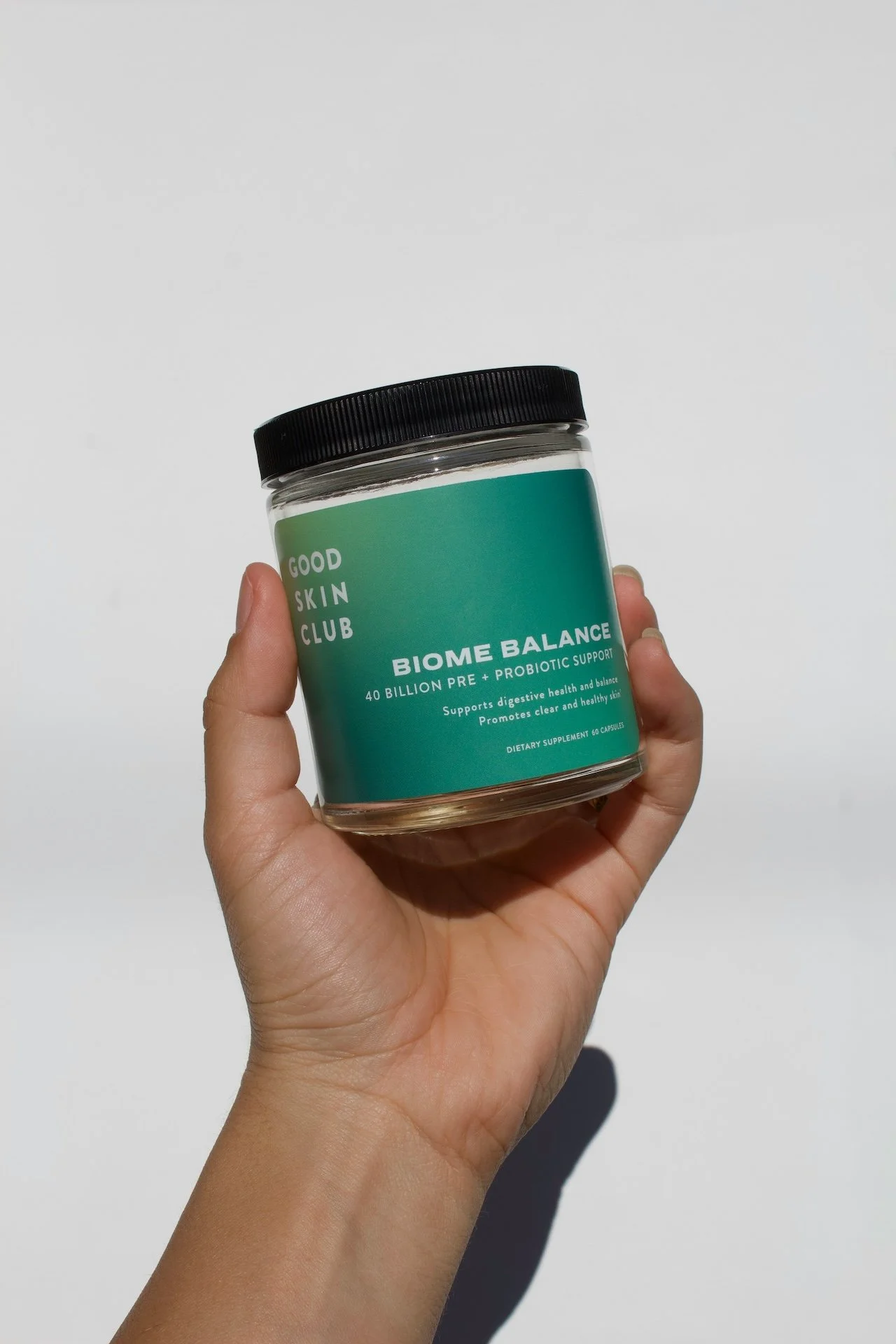
Selling Health Supplements in China
How foreign supplement brands enter China through cross-border e-commerce — Blue Hat registration, health claims, Tmall Global listings, and category-specific regulations.
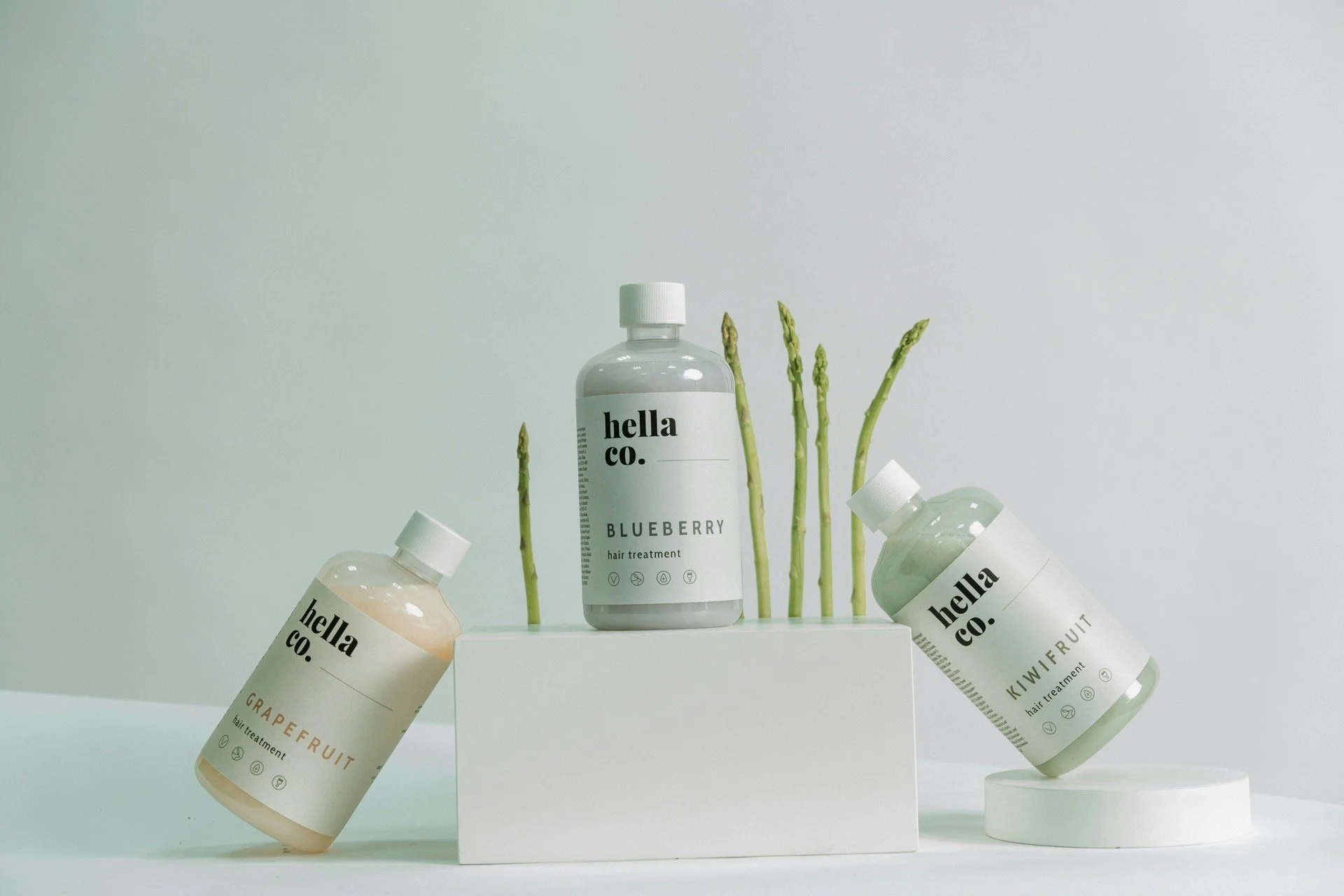
Selling Cosmetics in China
Navigating NMPA registration, cross-border exemptions, Little Red Book (Xiaohongshu) seeding, and platform strategy for beauty and skincare brands entering the Chinese market.

Selling Perfume & Fragrance in China
The growing niche fragrance market in China — cross-border advantages, Tmall Global positioning, KOL-driven discovery, and how foreign perfume brands build a following.

China Market Entry
End-to-end market entry support — from initial research and trademark filing to platform setup, logistics coordination, and launch strategy for foreign brands.
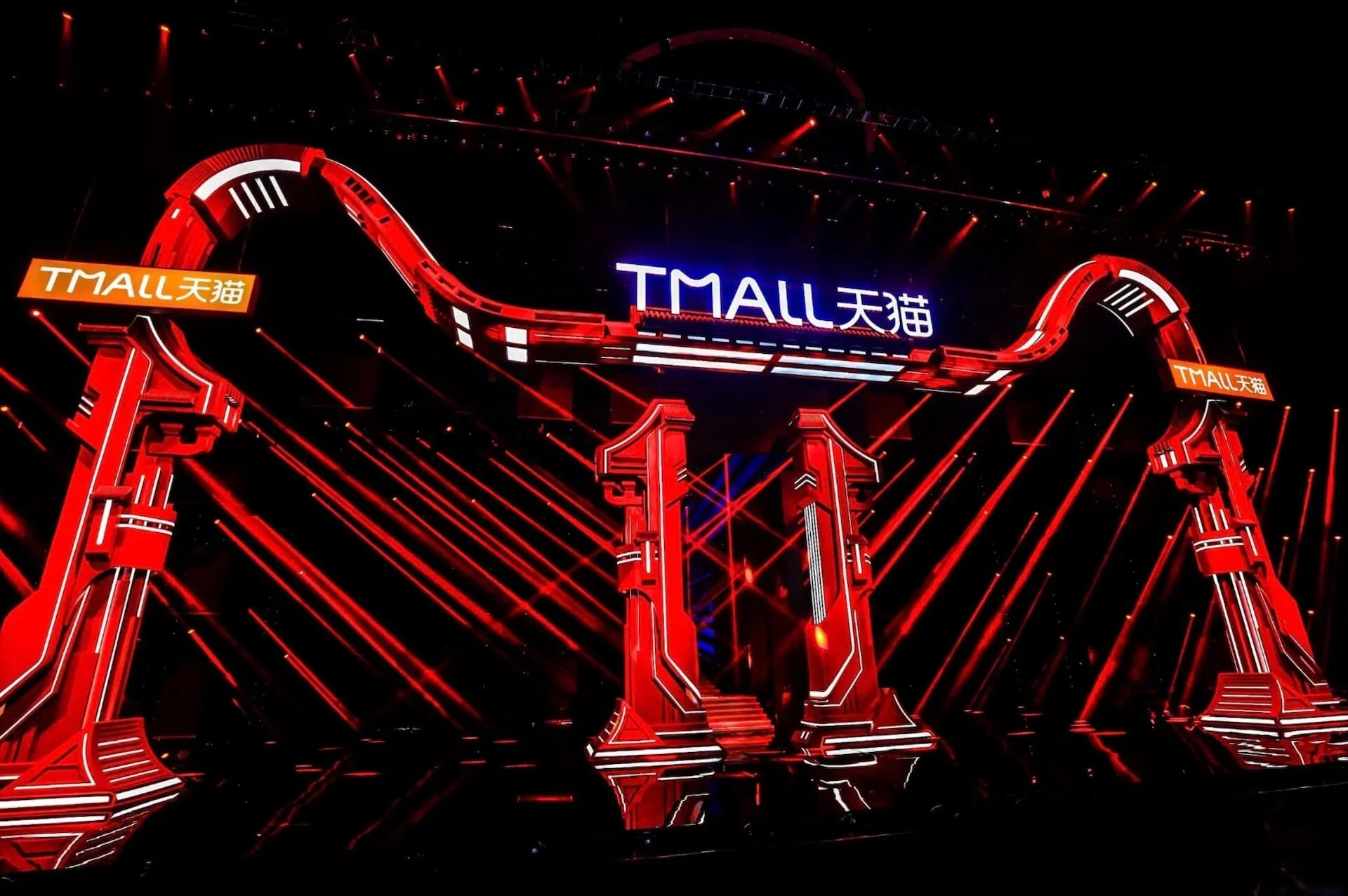
E-Commerce Store Operations
As an official Tmall Partner, we set up and run your stores on Tmall, Tmall Global, JD, and Douyin — daily operations, customer service, campaigns, and performance optimization.

Influencer Marketing in China
KOL and KOC campaigns across Douyin, Little Red Book (Xiaohongshu), and WeChat — influencer sourcing, negotiation, content management, and performance tracking.


Your brand's China team — from initial research to daily store operations.
We work with American brands of all sizes — from DTC companies launching their first Tmall Global store to established names expanding their China digital footprint. European leadership, Chinese execution, one accountable partner.
Tell us about your brand and where you are in your China planning. We will give you an honest assessment of your product-market fit, recommend an entry model, and outline realistic costs and timelines.