
How Austrian
Brands Can Enter China
Austria-China bilateral trade reached €17.5 billion in 2024, with Austrian exports to China growing steadily across machinery, vehicles, and premium consumer goods. Austrian brands carry strong associations with Alpine craftsmanship, precision engineering, and cultural heritage — but converting that reputation into Chinese market share requires local infrastructure, platform expertise, and a partner on the ground.
Why "Made in Austria" Resonates in China
Chinese consumers increasingly recognize Austrian products for precision craftsmanship, cultural sophistication, and premium materials. From Swarovski crystals to Julius Meinl coffee, the Austrian quality narrative resonates — especially in luxury goods, food and beverage, and lifestyle products — but most Austrian companies still underestimate the operational complexity of selling directly to Chinese consumers.
Austria's economic ties with China run deep. Over 500 Austrian companies have invested in more than 1,000 projects in China, with Swarovski, Red Bull, and KTM maintaining significant local operations. Austrian exports to China span precision machinery, vehicles, pharmaceuticals, and premium food products.
But the next wave of Austrian brands eyeing China looks different. These are premium food producers, niche fashion labels, specialty cosmetics brands, and artisanal manufacturers — companies with strong products and loyal European customers but no China infrastructure. They need a partner who can handle the operational reality while they focus on product and brand.
Three Ways Austrian Brands Enter China
Most Austrian brands start with cross-border e-commerce. It is the fastest path to market with the lowest cost and regulatory burden — and it lets you test demand with real Chinese consumers before committing to a full local setup.
Cross-Border E-Commerce (CBEC)
Sell on Tmall Global, JD Worldwide, or other cross-border platforms using your existing Austrian company. No Chinese entity, no domestic product registration, reduced import taxes. Products ship to a bonded warehouse in China and reach customers in 3–5 days.
WFOE (Wholly Foreign-Owned Enterprise)
Set up a Chinese subsidiary to sell on domestic platforms like Tmall (not Global), open retail stores, and operate without cross-border restrictions. Required for regulated categories such as cosmetics needing NMPA registration or health supplements requiring Blue Hat certification.
Distribution Partnership
Partner with a Chinese distributor who purchases your products and sells them under their own import license. Faster market access but less control over pricing, brand presentation, and customer data. Common for Austrian food and beverage brands and specialty products.
How an Austrian Brand Launches in China
From trademark registration to first sale — a typical cross-border e-commerce launch takes 6 to 12 weeks with the right partner handling execution.
- 01
Trademark Registration in China
File your trademark with the China National Intellectual Property Administration (CNIPA) before doing anything else. China operates on a first-to-file basis — if someone registers your brand name before you do, they own it in China regardless of your global trademark. Austrian brands with German-language names need to register both the original name and its Chinese transliteration. Registration takes 6–9 months but you can proceed with other steps once filed.
CNIPA FilingFirst-to-FileChinese Name - 02
Platform Selection and Store Setup
Choose between Tmall Global (largest cross-border platform, Alibaba ecosystem), JD Worldwide (strong in electronics and premium goods), or a multi-platform approach. Store design, product listing localization, and pricing strategy happen in this phase. Austrian brands often underestimate localization — direct translation of German product pages will not work. Every listing needs to be rewritten for Chinese consumers.
Tmall GlobalJD WorldwideStore Design - 03
Logistics and Bonded Warehouse
Ship initial inventory to a bonded warehouse in a Chinese free trade zone. Products clear customs on a per-order basis when a consumer purchases, with reduced duties under the CBEC framework. Delivery to the end customer typically takes 3–5 business days. For Austrian brands, established European-China shipping routes via DB Schenker, Gebrüder Weiss, and other Austrian-strong carriers make logistics straightforward.
Bonded WarehouseFree Trade Zone3–5 Day Delivery - 04
Marketing and Customer Acquisition
Build brand awareness through Little Red Book (Xiaohongshu) seeding campaigns, Douyin short videos, and WeChat content. Austrian brands can leverage the strong "European quality" narrative — Alpine imagery, traditional craftsmanship, and precision manufacturing all resonate with Chinese premium consumers. KOL and KOC collaborations drive discovery and trust.
Little Red Book (Xiaohongshu)DouyinKOL/KOCTmall Ads - 05
Daily Operations and Scaling
Customer service in Mandarin, order management, inventory replenishment, returns handling, campaign calendar management, and performance reporting. This is where most brands need a local partner — the day-to-day work of running a China business happens in Chinese, on Chinese time, on Chinese platforms. Austrian companies are thorough planners, but China's pace and platform complexity require on-the-ground agility.
Customer ServiceInventoryReporting
Austrian Brands Already Selling in China
From global household names to emerging premium producers — Austrian companies across luxury, food, fashion, and lifestyle have entered the Chinese market through different models.
"Austria and China share a deep-rooted economic relationship. Over 500 Austrian companies are active in China, and China remains a key market for Austrian exports in machinery, automotive components, and premium consumer goods."— Advantage Austria (Austrian Trade Commission), China Market Report, 2024
What Austrian Brands Get Wrong in China
Austrian companies are known for thoroughness, quality standards, and careful planning. Those traits produce excellent products — but they can slow down market entry in a country where consumer trends shift quarterly and platform algorithms change monthly.
Here are the mistakes we see most often from Austrian brands entering the Chinese market.
Assuming "Austrian" and "German" Are Interchangeable
Chinese consumers often group Austrian and German products under a single "DACH quality" umbrella. That can work in your favor — but it also means you need to actively define what makes your Austrian brand distinct. Without clear positioning, you become a smaller version of a German competitor.
Skipping Trademark Registration
China is first-to-file. A competitor, distributor, or trademark squatter can register your brand name before you do — and they will own it. Austrian brands with German-language names are particularly vulnerable to transliteration squatting. File before you do anything else.
Relying on DACH Distributors for China
Some Austrian brands use pan-European or DACH-region distributors who claim to cover Asia. These intermediaries rarely have the platform relationships, Mandarin-speaking teams, or local market knowledge needed to actually grow a brand in China. Your China partner needs to be in China.
Over-Engineering the Market Entry Plan
Austrian companies love detailed plans. Some spend 12–18 months on market research, feasibility studies, and internal alignment before making a move. By then, the window may have shifted. A cross-border test launch on Tmall Global takes 6–12 weeks and delivers real market data instead of assumptions.
Underinvesting in Digital Marketing
Austrian companies tend to allocate smaller marketing budgets than German or Swiss competitors. In China, digital marketing is not optional — it is the primary way consumers discover and evaluate brands. Without investment in Little Red Book (Xiaohongshu), Douyin, and Tmall ads, even the best products remain invisible.
What We Do for Austrian Brands
Shanghai Jungle provides the full infrastructure an Austrian brand needs to operate in China — from pre-launch setup to daily store management.
Market Entry & Setup
Trademark filing, platform application, store design, product listing localization, pricing strategy, and logistics coordination. We handle the regulatory and operational groundwork so you can focus on your product and brand.
E-Commerce Operations
As an official Tmall Partner, we set up and run your stores on Tmall, Tmall Global, JD, and Douyin. Daily operations, customer service in Mandarin, campaign management, inventory coordination, and performance optimization.
Social Media & Content
WeChat official accounts, Little Red Book (Xiaohongshu) content, Douyin short videos, and Weibo updates — all created and managed by our Shanghai-based team in native Chinese. We build your brand presence on the platforms where Chinese consumers spend their time.
Influencer Marketing
KOL and KOC identification, negotiation, campaign management, and performance tracking across Douyin, Little Red Book (Xiaohongshu), and WeChat. Austrian brands work well with lifestyle and quality-focused KOLs who can communicate the craftsmanship behind the product.
Logistics & Import
Bonded warehouse coordination, customs documentation, import compliance, inventory management, and fulfillment monitoring. We work with logistics partners across China's free trade zones to keep your supply chain running smoothly.
Local Representation
Trade show attendance, partner meetings, government liaison, product photography, and any other on-the-ground work your brand needs in China. With offices in Shanghai and Stuttgart, we bridge the Central European–China gap.
Official Tmall Partner Agency
Shanghai Jungle is authorized by Alibaba to set up and operate Tmall and Tmall Global stores.
Key Terms Explained
A regulatory framework that allows foreign companies to sell directly to Chinese consumers through approved platforms without establishing a Chinese entity or completing domestic product registration. Products are stored in bonded warehouses and benefit from reduced import duties.
An agency officially authorized by Alibaba to set up and operate Tmall and Tmall Global stores on behalf of brands. Tmall Partners have direct access to Alibaba's platform tools, priority store registration, and dedicated account support. Shanghai Jungle is an official Tmall Partner.
A Chinese legal entity 100% owned by a foreign company. Required for selling on domestic platforms, opening physical stores, or operating in regulated categories. Setup takes 3–6 months and involves capital requirements, registered address, and local compliance.
A warehouse in a Chinese free trade zone where imported goods are stored before customs clearance. Under CBEC, duties are collected per order when a consumer purchases — not when goods arrive. This allows brands to pre-position inventory in China for fast delivery.
China's regulatory body for cosmetics, pharmaceuticals, and medical devices. Foreign cosmetics and skincare brands selling domestically must complete NMPA registration, which includes product testing and can take 6–18 months.
KOL (Key Opinion Leader) refers to major influencers with large followings. KOC (Key Opinion Consumer) refers to micro-influencers or everyday reviewers who create authentic, trust-building content. Both are essential for reaching Chinese consumers on Douyin and Little Red Book (Xiaohongshu).
Explore More
Industry-specific guides for selling in China, plus an overview of the services we provide to get your brand up and running.
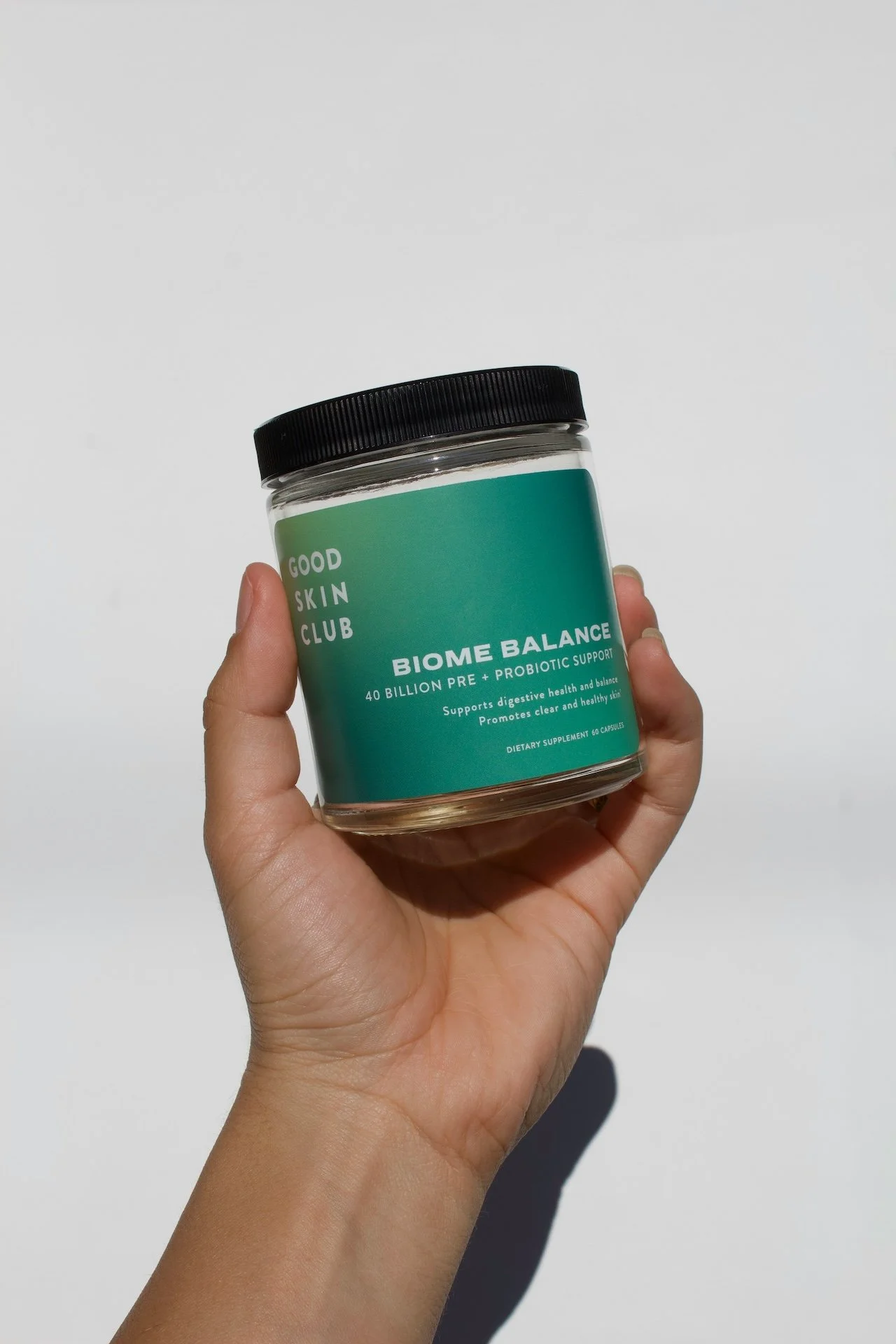
Selling Health Supplements in China
How foreign supplement brands enter China through cross-border e-commerce — Blue Hat registration, health claims, Tmall Global listings, and category-specific regulations.
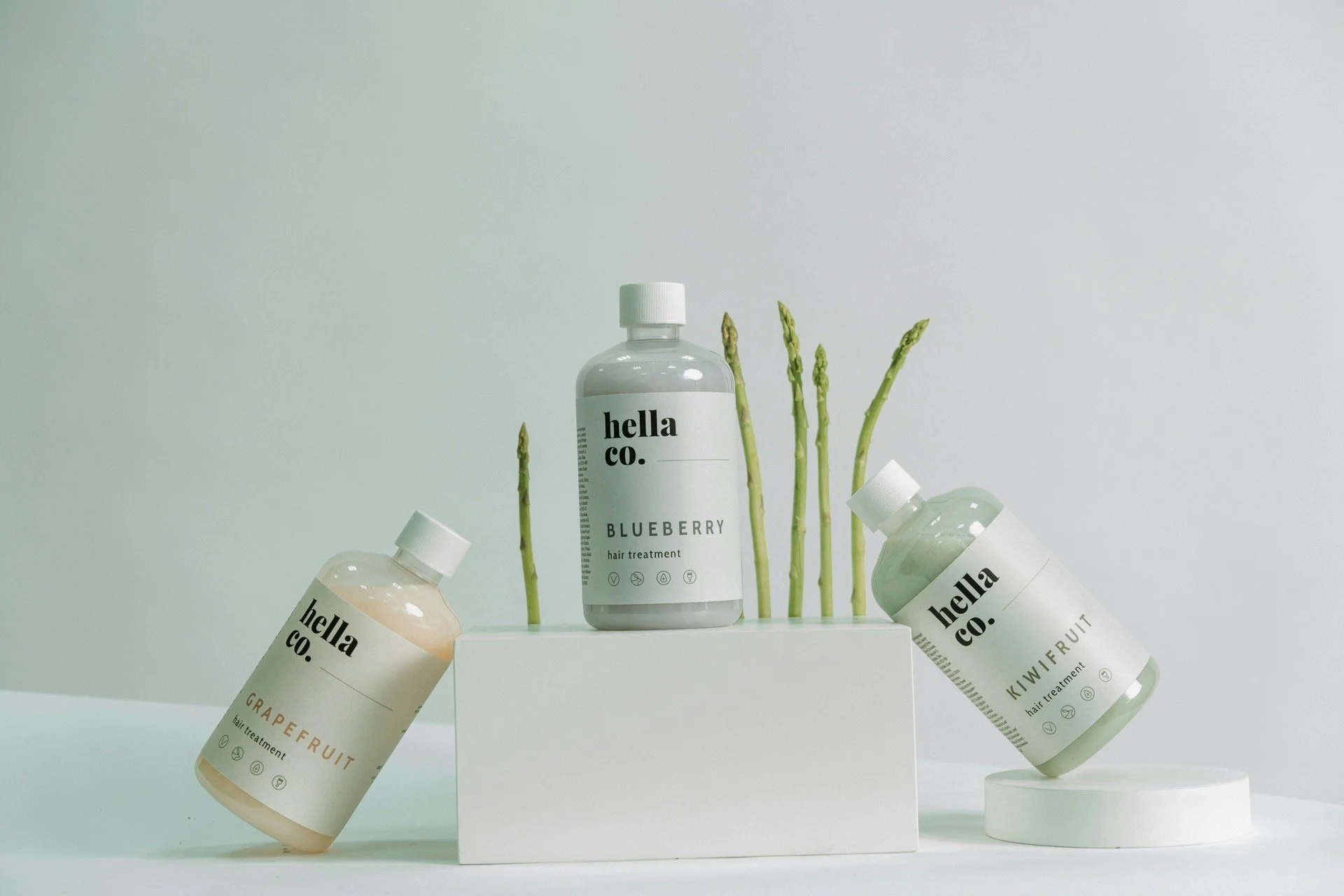
Selling Cosmetics in China
Navigating NMPA registration, cross-border exemptions, Little Red Book (Xiaohongshu) seeding, and platform strategy for beauty and skincare brands entering the Chinese market.

Selling Perfume & Fragrance in China
The growing niche fragrance market in China — cross-border advantages, Tmall Global positioning, KOL-driven discovery, and how foreign perfume brands build a following.

China Market Entry
End-to-end market entry support — from initial research and trademark filing to platform setup, logistics coordination, and launch strategy for foreign brands.
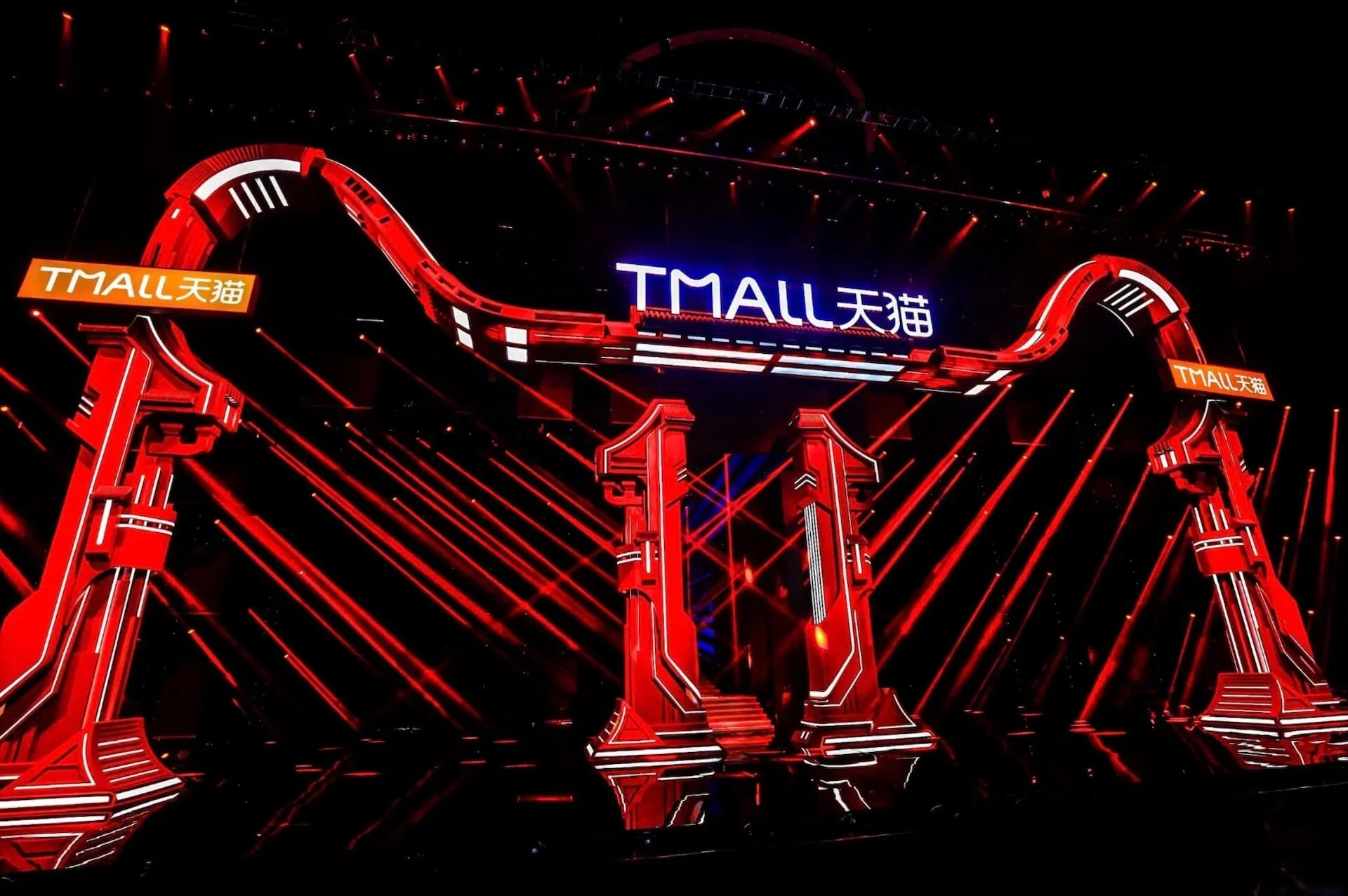
E-Commerce Store Operations
As an official Tmall Partner, we set up and run your stores on Tmall, Tmall Global, JD, and Douyin — daily operations, customer service, campaigns, and performance optimization.

Influencer Marketing in China
KOL and KOC campaigns across Douyin, Little Red Book (Xiaohongshu), and WeChat — influencer sourcing, negotiation, content management, and performance tracking.


Your brand's China team — from initial research to daily store operations.
We work with Austrian brands of all sizes — from established companies expanding their China footprint to emerging producers launching their first cross-border store. With a Stuttgart office just a short distance from Austria and a Shanghai operations team, we bridge the DACH–China gap without the overhead of building your own local team.
Tell us about your brand and where you are in your China planning. We will give you an honest assessment of your product-market fit, recommend an entry model, and outline realistic costs and timelines.